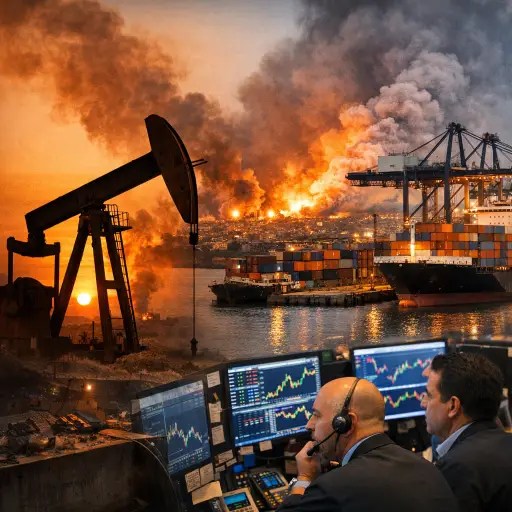
Prolonged conflict fuels energy shocks, strains supply chains, and heightens fears of worldwide economic instability
A widening conflict with no clear end in sight is casting a long shadow over the global economy, raising alarm among economists and policymakers who warn that inflationary pressures could intensify across multiple regions.
Energy markets are already showing signs of strain. Oil prices have surged amid fears of supply disruptions, with traders reacting sharply to geopolitical uncertainty. The ripple effects are being felt far beyond energy sectors, as rising fuel costs drive up transportation expenses, placing additional pressure on global supply chains that are still recovering from previous disruptions.
Experts say the situation could evolve into a sustained inflationary cycle if hostilities continue. “What we are seeing is not just a temporary shock,” said one senior analyst at a leading financial institution. “If the conflict persists, it risks embedding higher costs into the global economy, affecting everything from food prices to manufacturing output.”
Shipping routes have become increasingly volatile, with insurers raising premiums and companies rerouting cargo to avoid high-risk zones. These adjustments, while necessary, are adding delays and costs that ultimately feed into consumer prices. Industries dependent on just-in-time logistics are particularly vulnerable, as even minor disruptions can cascade into broader shortages.
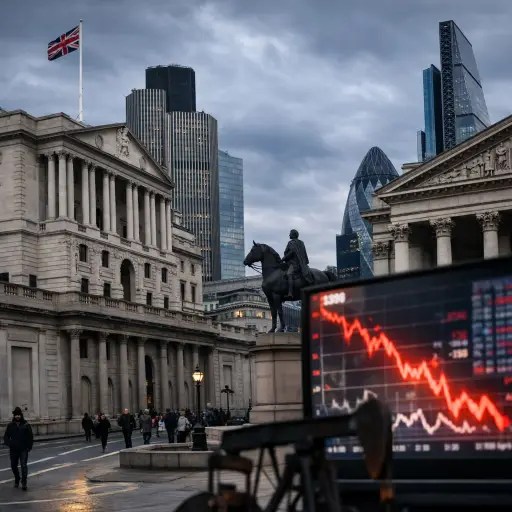
Europe is emerging as one of the most exposed regions. Heavily reliant on energy imports, many European economies are facing renewed concerns over fuel security. Gas and electricity prices have shown sharp fluctuations, raising the specter of another wave of energy-driven inflation. Households and businesses alike are bracing for higher utility bills, which could dampen consumption and slow economic growth.
Central banks now face a difficult balancing act. On one hand, they must address rising inflation; on the other, aggressive tightening risks stalling already fragile economies. The prospect of stagflation—a combination of slow growth and high inflation—has re-entered economic discussions with increasing frequency.
Emerging markets are also under pressure. Many rely on imported energy and food, making them particularly sensitive to price spikes. Currency volatility and capital outflows are compounding the challenge, limiting the ability of governments to cushion the impact on their populations.
Meanwhile, global investors are navigating heightened uncertainty. Equity markets have shown increased volatility, while safe-haven assets such as gold and government bonds have seen renewed demand. Analysts warn that prolonged instability could lead to a broader reallocation of capital, reshaping investment patterns for years to come.
Despite these risks, some policymakers remain cautiously optimistic that coordinated international responses could mitigate the worst effects. Strategic reserves, diversified supply chains, and diplomatic efforts are all being explored as tools to stabilize markets.
However, the outlook remains highly contingent on developments on the ground. As long as the conflict continues to disrupt key economic arteries, the threat of sustained inflation will loom large.
For now, businesses, governments, and consumers alike are preparing for a period of heightened uncertainty—one in which the economic consequences of war extend far beyond the battlefield.



 The Tower Post