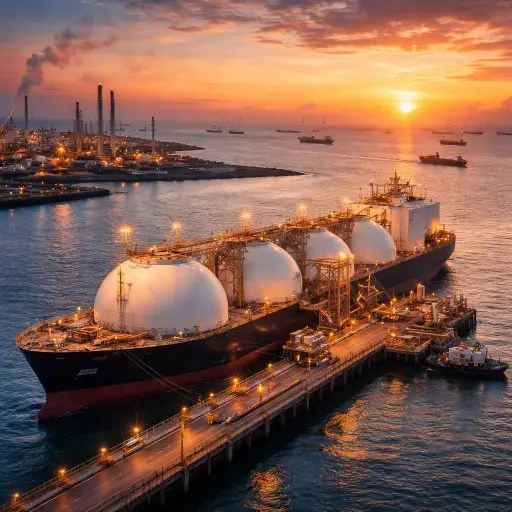
EU leaders intensify outreach to Gulf states as tensions with Iran rise, seeking stability, safeguarding energy routes, and avoiding wider conflict.
As tensions surrounding Iran continue to reverberate across the Middle East, European diplomacy has entered a new phase of urgency and complexity. In recent days, European leaders have sharpened their engagement with Gulf states, seeking to contain escalation, reinforce regional stability, and protect vital energy corridors that remain essential to global markets.
The renewed push reflects mounting concern within European capitals over the potential for a broader confrontation. Iranian actions, widely condemned by European officials, have prompted a coordinated response that blends firm rhetoric with careful diplomacy. While European leaders have denounced the attacks as destabilizing, they have simultaneously emphasized the importance of dialogue—particularly with Gulf partners who are both geographically exposed and strategically indispensable.
At the heart of Europe’s approach lies a delicate balancing act. On one side is the need to project resolve against actions perceived as aggressive or destabilizing. On the other is the recognition that escalation could quickly spiral into a wider regional conflict, with consequences that would extend far beyond the Middle East.
Diplomatic channels between European governments and Gulf states have become increasingly active, with high-level meetings focusing on de-escalation strategies and coordinated responses. These discussions have underscored shared concerns over maritime security, energy infrastructure, and the broader geopolitical risks posed by sustained instability.
European officials are particularly focused on safeguarding energy routes that run through the Gulf. The region remains a critical artery for global oil and gas supplies, and any disruption could have immediate repercussions for energy prices and economic stability worldwide. For Europe, which continues to navigate a complex energy transition while managing supply vulnerabilities, the stakes are especially high.
Gulf states, for their part, have signaled both alignment and caution. While many share Europe’s concerns about Iran’s actions, they are also acutely aware of the risks of being drawn into a larger confrontation. This has led to a nuanced diplomatic posture, one that seeks to deter escalation without provoking further tensions.
In this context, Europe’s role has evolved into that of both partner and intermediary. European diplomats are working to strengthen cooperation with Gulf governments while also keeping lines of communication open with Tehran. The aim is not only to manage the immediate crisis but also to preserve the possibility of longer-term diplomatic engagement.
This dual-track strategy reflects lessons learned from previous periods of heightened tension in the region. European policymakers are keenly aware that isolation alone is unlikely to produce sustainable outcomes. Instead, they are pursuing a combination of pressure and engagement, calibrated to avoid closing off avenues for negotiation.
The current diplomatic effort also highlights the growing importance of the Gulf in Europe’s foreign policy calculus. Once viewed primarily through the lens of energy supply, the region is now recognized as a key arena for geopolitical competition and cooperation alike. As global power dynamics shift, Europe has sought to deepen its relationships with Gulf states, expanding cooperation beyond energy into areas such as security, investment, and technology.
At the same time, the situation has exposed the limits of Europe’s influence. While European leaders can convene, coordinate, and advocate, they operate within a complex web of regional and international actors whose interests do not always align. This has made the pursuit of consensus both more challenging and more necessary.
The emphasis on preventing escalation remains a unifying theme across European diplomacy. Officials have repeatedly stressed that the priority is to avoid a scenario in which localized tensions ignite a broader conflict. This includes efforts to reduce the risk of miscalculation, particularly in sensitive areas such as maritime navigation and military posturing.
Energy security continues to serve as a powerful driver of European engagement. The Gulf’s strategic importance has been reinforced by ongoing uncertainties in global supply chains, prompting European governments to take a more proactive role in regional stability efforts. Ensuring the uninterrupted flow of energy resources is not only an economic imperative but also a political one, given the potential domestic impact of price volatility.
Yet the focus on energy does not fully capture the broader stakes. European leaders are also concerned about the humanitarian and security implications of prolonged instability. A wider conflict could trigger displacement, disrupt trade, and exacerbate existing tensions across neighboring regions.
In their conversations with Gulf counterparts, European officials have emphasized the value of coordinated messaging and collective action. By presenting a united front, they hope to reinforce deterrence while signaling a clear commitment to stability. At the same time, they have been careful to respect the autonomy and perspectives of Gulf states, recognizing that regional actors are best positioned to assess local dynamics.
The diplomatic push has also involved outreach to international partners, reflecting the interconnected nature of the crisis. Europe’s efforts are part of a broader attempt to align responses and avoid fragmented approaches that could undermine stability.
Despite the challenges, there are signs that the intensified diplomacy is yielding some degree of alignment. Shared concerns over escalation have created space for constructive dialogue, even as underlying tensions persist. The coming period will be critical in determining whether these efforts can translate into tangible de-escalation.
For Europe, the stakes extend beyond the immediate crisis. The ability to navigate this complex landscape will shape its credibility as a diplomatic actor and its capacity to influence outcomes in a rapidly changing world. Success will depend not only on strategic coordination but also on the ability to maintain a careful balance between firmness and flexibility.
As the situation continues to evolve, European leaders appear committed to sustaining their engagement with Gulf states. The path forward is uncertain, but the underlying objective remains clear: to prevent escalation, protect vital interests, and support a more stable regional order.
In a region where tensions can shift quickly and unpredictably, diplomacy remains both a necessity and a challenge. Europe’s current efforts reflect an understanding that stability cannot be imposed from the outside but must be built through persistent engagement, careful negotiation, and a willingness to adapt to changing realities.
 The Tower Post