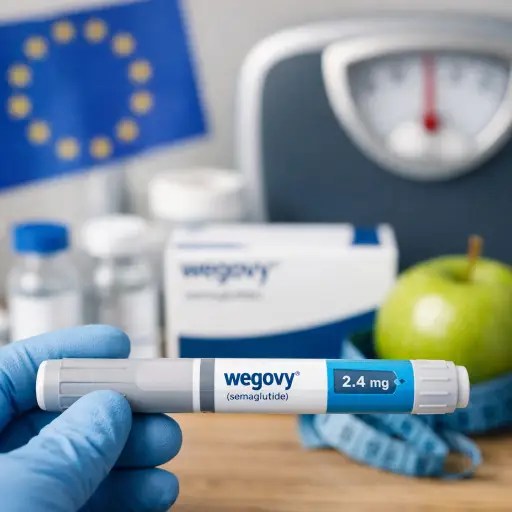
Approval signals stronger clinical outcomes, intensifies global competition, and reshapes the economics of obesity care
The European Union has approved a higher-dose version of Wegovy, the blockbuster weight-loss treatment developed by Novo Nordisk, marking a significant turning point in the rapidly evolving market for anti-obesity drugs.
The decision, confirmed this week, allows for the expanded use of the semaglutide-based therapy at increased dosage levels across EU member states. Regulators cited improved clinical outcomes, including more substantial and sustained weight reduction among patients with obesity or weight-related conditions, as a key factor behind the approval.
The move reinforces Europe’s position as a critical battleground in what has become one of the most competitive and commercially significant sectors in modern pharmaceuticals.
Stronger Results Drive Regulatory Momentum
Clinical data underpinning the approval indicate that patients receiving the higher dose experienced notably greater average weight loss compared to those on previously authorized regimens. In trials, the enhanced dosage not only accelerated early results but also improved long-term maintenance, a persistent challenge in obesity treatment.
Researchers also observed secondary benefits, including improvements in cardiovascular risk markers, blood sugar control, and overall metabolic health. These broader effects have increasingly positioned drugs like Wegovy not merely as weight-loss solutions, but as multi-functional therapies targeting chronic disease pathways.
Regulators emphasized that the benefit-risk profile remains favorable, though they reiterated the importance of medical supervision, particularly given dose-dependent side effects such as gastrointestinal discomfort.
A Market-Defining Moment
The EU’s decision arrives amid surging global demand for GLP-1 receptor agonists, the class of drugs to which Wegovy belongs. These therapies, originally developed for diabetes, have rapidly transformed into high-demand weight-management solutions, with supply struggling to keep pace in several regions.
For Novo Nordisk, the approval strengthens its leadership in a market it helped define. Analysts suggest the higher-dose authorization could further boost revenues, particularly as European healthcare systems gradually expand reimbursement frameworks for obesity treatments.
However, the move also intensifies pressure from competitors, including Eli Lilly, whose own weight-loss drug portfolio has shown strong clinical performance. The rivalry between the two pharmaceutical giants is expected to shape pricing, innovation, and access strategies over the coming years.
Implications for Healthcare Systems
The approval raises important questions for public health systems across Europe. While obesity is widely recognized as a major driver of chronic disease and healthcare costs, the integration of high-cost pharmacological treatments remains uneven.
Some countries have begun to reassess reimbursement policies, weighing the upfront costs of these therapies against potential long-term savings from reduced incidence of diabetes, cardiovascular disease, and related conditions.
Health economists note that the higher-dose approval may strengthen the case for broader coverage, as improved efficacy could translate into more meaningful population-level outcomes. At the same time, concerns persist about equitable access, particularly in systems already under financial strain.
Supply and Access Challenges Persist
Despite regulatory progress, supply constraints continue to shape the real-world impact of Wegovy’s expansion. Manufacturing capacity for semaglutide-based drugs remains a limiting factor, with demand consistently outpacing availability in multiple markets.
Novo Nordisk has pledged to scale up production, but industry observers caution that shortages may persist in the near term, especially as higher-dose formulations increase per-patient drug requirements.
This dynamic has already led to prioritization strategies in some regions, with healthcare providers focusing on patients with the highest medical need.
A Shift in the Narrative Around Obesity
Beyond its commercial and clinical significance, the EU’s approval reflects a broader shift in how obesity is understood and treated. Increasingly framed as a chronic, biologically driven condition rather than solely a lifestyle issue, obesity is gaining recognition as a disease requiring long-term management.
The success of drugs like Wegovy has accelerated this change in perception, offering patients new options that go beyond traditional diet and exercise interventions.
Still, experts caution that pharmacological treatments are not a standalone solution. Most guidelines continue to recommend combining medication with lifestyle support, behavioral therapy, and ongoing medical oversight.
Looking Ahead
The authorization of a higher-dose Wegovy marks a new chapter in the global weight-loss drug market, one defined by rapid innovation, intensifying competition, and growing societal impact.
As pharmaceutical companies race to develop next-generation treatments, regulators and healthcare systems will face increasing pressure to balance access, affordability, and long-term sustainability.
For now, the EU’s decision underscores a simple reality: the fight against obesity is entering a new, more aggressive phase—one in which medical science, market forces, and public health priorities are more tightly intertwined than ever before.



 The Tower Post