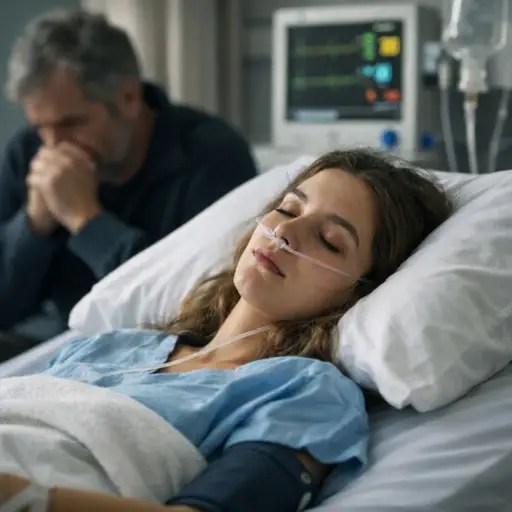
Critics argue the state failed Noelia Castillo, as legal battles and institutional hesitation prolonged her suffering and exposed cracks in Spain’s assisted dying system
The death of a young woman in Barcelona has reignited a national debate over euthanasia in Spain, raising difficult questions about the balance between individual autonomy, family opposition, and the role of the state in end-of-life care.
Noelia Castillo, a 25-year-old woman who had been left paraplegic after a suicide attempt several years earlier, died this week in a hospital following a prolonged and highly contested legal process to access euthanasia. Her case, which pitted her firmly expressed wishes against her father’s legal challenges, has become a focal point for critics who say the system designed to protect patients instead prolonged her suffering.
Spain legalized euthanasia in recent years, becoming one of a small number of countries to allow medically assisted dying under strict conditions. The law was widely seen as progressive, offering individuals the right to end their lives in cases of severe and incurable suffering. But Castillo’s case has revealed how complex and contentious the application of that law can become in practice.
For months, Castillo sought authorization to proceed with euthanasia, citing unbearable physical and psychological pain following the injuries that left her paralyzed. Medical committees evaluated her case and ultimately approved her request. Yet the process did not end there.
Her father intervened, launching a legal challenge that questioned both her mental state and the legitimacy of the decision. The case moved through the courts, triggering delays that, according to supporters of Castillo, forced her to endure a prolonged period of distress that the law was meant to prevent.
Advocacy groups have described the case as a failure of the system. They argue that while legal safeguards are necessary, the extent of the delays highlights an imbalance that allows external challenges to override the expressed will of the patient. In their view, the state did not act swiftly enough to uphold Castillo’s rights once her eligibility had been confirmed.
“The law exists to protect patients, not to trap them in procedures,” said one advocate close to the case. “What happened here shows that, in practice, access can be obstructed in ways that defeat the purpose of the legislation.”
Others, however, see the case differently. Legal experts and some medical professionals argue that the scrutiny applied was appropriate given the gravity of the decision. They maintain that euthanasia laws must be applied with caution, particularly when family members raise concerns about coercion, mental health, or capacity to consent.
The tension between these perspectives reflects a broader societal divide. While public support for euthanasia in Spain has grown steadily, individual cases often expose ethical dilemmas that are far from settled. Castillo’s situation, involving both a prior suicide attempt and a severe disability, intensified those questions.
At the center of the debate is the role of the state. Critics contend that institutions responsible for evaluating and implementing euthanasia requests should be more insulated from prolonged legal disputes once a case has been approved. They argue that excessive procedural barriers risk undermining the very autonomy the law seeks to guarantee.
Supporters of the current framework counter that judicial oversight is a necessary safeguard in a system dealing with irreversible outcomes. They warn against any changes that might reduce the ability of families or courts to intervene when concerns arise.
Castillo’s death has also drawn attention to the broader issue of care for individuals living with severe disabilities. Some critics suggest that the focus on euthanasia risks overshadowing the need for stronger support systems, including mental health care, rehabilitation, and social integration.
For others, however, the case reinforces the importance of respecting individual choice, even in the context of disability. They argue that denying or delaying access to euthanasia can amount to a form of paternalism that disregards the lived experience of those suffering.
As Spain reflects on the implications of Castillo’s case, policymakers may face renewed pressure to clarify how the law should function in contested situations. Proposals could include setting stricter timelines for judicial review or limiting the scope of third-party challenges once medical criteria have been met.
For now, Castillo’s story stands as a stark reminder of the human realities behind legal frameworks. Her death has not only ended a personal struggle but has also left a lingering question for Spanish society: whether a system designed to offer dignity in dying can do so without becoming entangled in delays that compromise that very dignity.
In the days following her passing, the debate shows no sign of fading. Instead, it is likely to shape ongoing discussions about autonomy, protection, and the responsibilities of the state in one of the most sensitive areas of public policy.



 The Tower Post