The Impact of Grant Reductions on U.S. Universities
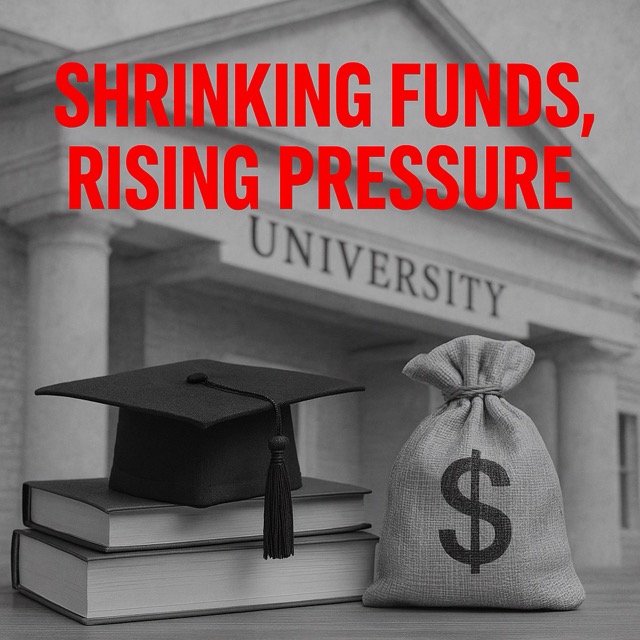
In recent years, U.S. universities have faced a growing challenge: a sharp reduction in federal and state grants that traditionally supported academic research, infrastructure, and student aid. These budget cuts are altering the landscape of higher education, with implications for innovation, accessibility, and global competitiveness.
Grant reductions stem from various factors, including shifts in government priorities, economic downturns, and political debates over public spending. According to data from the National Science Foundation, total federal R&D funding for universities has stagnated or declined in real terms since the mid-2010s. Simultaneously, many state legislatures have slashed higher education budgets, pushing public universities to find alternative funding sources or make difficult cutbacks.
The consequences are far-reaching. Research-intensive institutions struggle to maintain labs, recruit faculty, and fund breakthrough projects. For smaller universities and colleges, the effects can be more severe—limiting program offerings, reducing staff, and curbing student services. In some cases, tuition hikes are implemented to compensate for lost grants, increasing student debt burdens.
Faculty and students alike feel the pinch. Grants not only fund research but also provide stipends, assistantships, and scholarships. The reduction in funding limits opportunities for early-career researchers and graduate students, discouraging some from pursuing academic careers. This decline in support can stifle scientific discovery and delay advancements in critical fields like health, energy, and technology.
Universities are responding by ramping up fundraising efforts, forging partnerships with industry, and lobbying for increased government support. Some institutions are also embracing digital learning platforms and cross-disciplinary collaborations to do more with less. Yet these strategies cannot fully offset the impact of lost grants, especially for disciplines that rely heavily on long-term, basic research funding.
Internationally, the reduction in U.S. grant funding may have ripple effects. American universities have long been global leaders in innovation and research output. Shrinking resources could erode their competitive edge, leading to a brain drain as top scholars seek opportunities abroad.
The broader societal implications are significant. Universities are engines of economic development, job creation, and social mobility. When they are underfunded, communities suffer—not just academically, but economically. Policymakers must weigh these factors carefully when setting funding priorities.
In an age where knowledge economies dominate, sustained investment in higher education is not a luxury—it is a necessity. The current trend of grant reductions threatens to undermine decades of progress and innovation. To preserve the U.S.’s role as a global academic powerhouse, renewed public investment in its universities is essential.




 The Tower Post