Perfecting the Unreal: The Toxic Influence of Beauty Standards on a Generation of Young Girls
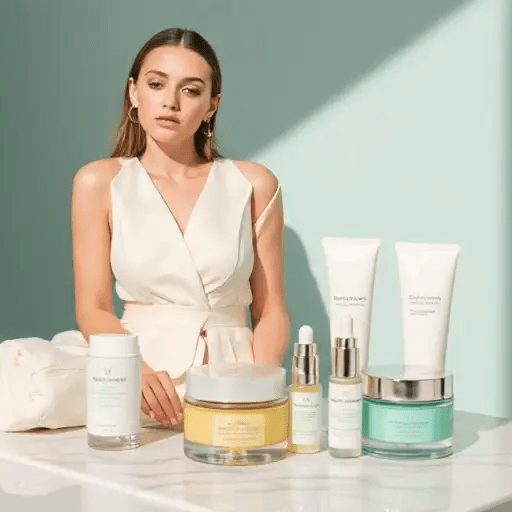
In an era where social media dominates our lives, the beauty industry has become a cultural phenomenon, influencing the way we perceive ourselves and our children. For parents, it’s a daunting task to navigate the complex world of fashion and skincare, where the lines between reality and fantasy are increasingly blurred.
A Mother’s Dilemma
For one mother, a fashion writer, the issue is personal. She’s torn between exposing her seven-year-old daughter to the world of fashion, where beauty standards are perpetuated, and shielding her from the potential harm it may cause. “I’m concerned about what the narrowing of fashion’s lens will mean for her as she grows up,” she says. “The cult of beauty is all-encompassing, and extreme perfectionism is gamified.”
According to experts, body dysmorphia, a condition where individuals have a distorted body image, is on the rise among young girls. The “Sephora tweens” phenomenon, where pre-teens follow elaborate skincare regimens, is just one example of the industry’s influence. “We’re seeing a generation of girls who are laboriously following skincare regimens, and 20-year-olds who are having fillers and Botox under the guise of ‘prejuvenation’,” says Chloe Combi, an educational strategist.
The injectable semaglutide diabetes medication, Ozempic, has become a trend in the fashion world, with women microdosing to drop a dress size. This has emboldened an industry that has long perpetuated a very thin, white, Western beauty ideal. “Have I fanned the flames of all of this by showing my daughter the world of fashion so young?” the mother asks.
The Impact on Children
The British College of Aesthetic Medicine reported that 30% of its members received requests for treatment from children under 18 in 2024. The lack of regulation makes it impossible to accurately measure the number of children being illegally treated with injectable, prescription-only, aesthetic medicine each year. “The new peer pressure is: have you got your acrylics and lashes done? Have you got all these expensive products?” Combi says.
A Call to Action
As parents, it’s essential to be aware of the potential harm that the beauty industry can cause. By educating ourselves and our children about the importance of self-acceptance and self-love, we can help mitigate the negative effects of the industry. “We need to have open and honest conversations with our children about body image and beauty standards,” Combi says. “We need to teach them that beauty is not just about physical appearance, but about self-worth and self-acceptance.”
Key Statistics:
30% of British College of Aesthetic Medicine members reported requests for treatment from children under 18 in 2024.
An average 14- or 15-year-old social media user gets hit by 10,000 images a day.
The high cost of beauty products makes it status-laden, with the saying “You’re not ugly, but poor” becoming a common phrase on TikTok.




 The Tower Post