How Ukraine’s Rich Subsoil is Redefining Geopolitical and Economic Alliances
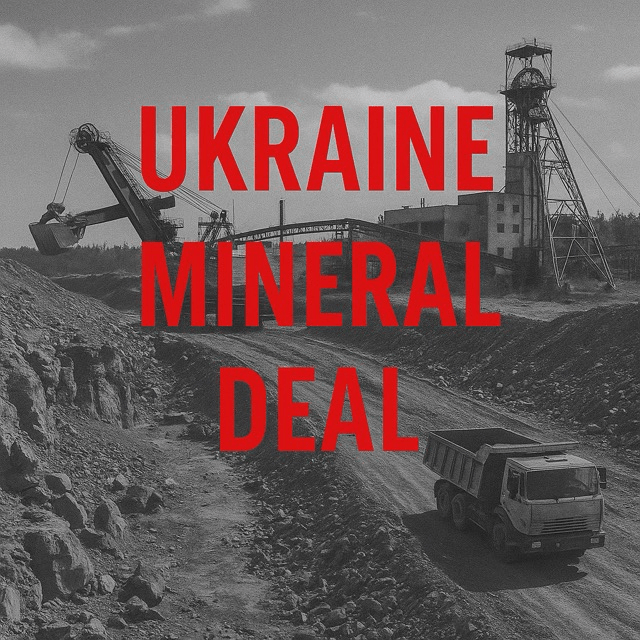
Ukraine, long recognized as a breadbasket of Europe, is now emerging as a critical player in another vital sector: the global mineral supply chain. With its vast deposits of critical raw materials—lithium, titanium, rare earths, and graphite—Ukraine has recently entered into a series of high-profile mineral deals that are reshaping the country’s geopolitical role and offering a lifeline for post-war reconstruction.
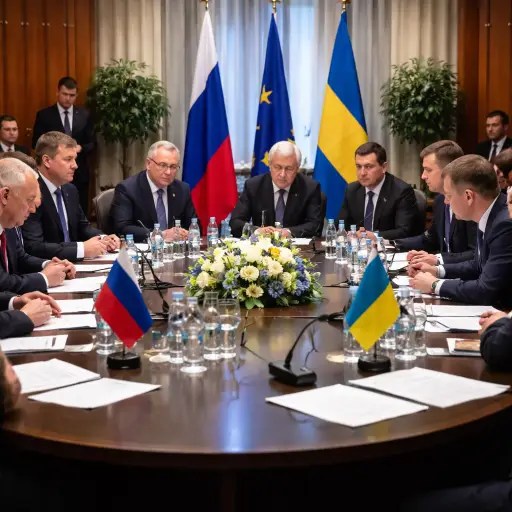
At the heart of this shift is the Ukraine-EU Strategic Partnership on Raw Materials, signed in July 2021. The agreement aims to secure sustainable supplies of critical raw materials for the European Union while strengthening Ukraine’s integration into European industrial value chains. In exchange, Ukraine receives investment, technology transfer, and support for governance reforms in its extractive industries.
Ukraine is estimated to hold some of the largest untapped reserves of lithium in Europe, a mineral essential for electric vehicle batteries and renewable energy storage systems. This has drawn interest from several international companies and governments eager to reduce dependence on China, which currently dominates global lithium processing.
Titanium is another strategic resource, used in aerospace, military, and medical applications. With rising global tensions and the need for secure supply chains, Ukraine’s titanium industry has become a focal point for Western defense and aerospace contractors.
In 2023, Ukraine also signed deals with U.S. and Canadian mining firms to explore and develop graphite and rare earth deposits in central and western regions of the country. These agreements signal a diversification of partners and a deliberate move to align more closely with NATO allies in economic as well as military terms.
However, the mineral deal is not without its risks. Ukraine’s extractive sector has historically suffered from weak regulation, corruption, and environmental degradation. To realize the full potential of these agreements, Ukraine must implement robust governance mechanisms and ensure transparency and sustainability. The presence of foreign stakeholders may act as a catalyst for reform, but local resistance and legacy interests pose challenges.
Moreover, the ongoing war with Russia adds layers of complexity. Many mineral-rich regions are near conflict zones or infrastructure that is vulnerable to attack. Securing investment in such a volatile environment requires strong international guarantees and post-conflict reconstruction planning.
Nonetheless, the strategic importance of Ukraine’s mineral wealth is clear. For Europe, the deal offers a chance to secure critical materials needed for the green transition and digital economy. For Ukraine, it provides a path toward economic recovery, industrial modernization, and deeper integration with the West.
In conclusion, the Ukraine mineral deal represents more than a commercial agreement—it is a geopolitical maneuver. It reflects a changing global order in which natural resources are not only commodities but instruments of diplomacy and power. As Ukraine rebuilds, its minerals may prove as valuable to its future as its fertile fields were to its past.


 The Tower Post