As Political Winds Shift, Germany Embraces a New Governing Alliance to Navigate Domestic Challenges and Global Pressures
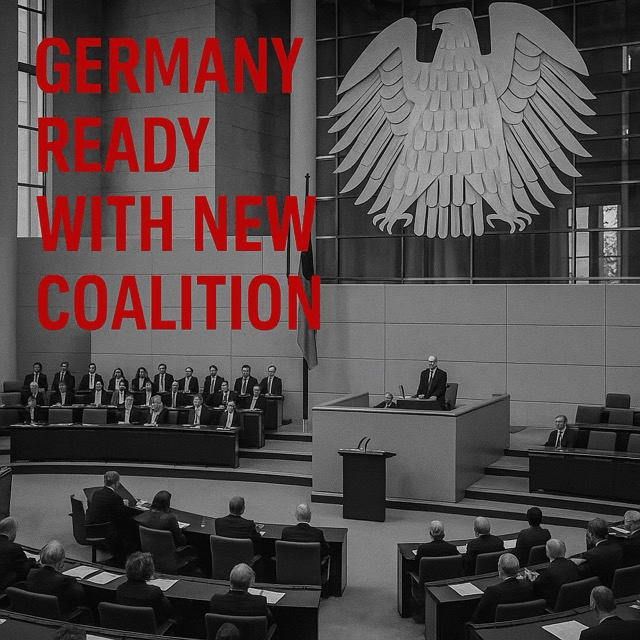
After months of intense negotiations, Germany is ready to move forward with a newly formed coalition government, marking the beginning of a transformative era in its political landscape. With the recent federal elections yielding no clear majority, the path to governance required compromise, innovation, and a shared vision for Germany’s future. Now, with the coalition finalized, attention turns to how this alliance will confront domestic challenges and redefine Germany’s role on the global stage.
### Coalition Composition and Formation
The 2025 general election results reflected a deeply fragmented political climate. Major parties including the Social Democratic Party (SPD), the Christian Democratic Union (CDU/CSU), the Greens, and the Free Democratic Party (FDP) all gained substantial yet insufficient support to form a government independently. The resulting coalition agreement among the SPD, Greens, and FDP, mirrors the “traffic light” configuration seen earlier in the decade, though this iteration appears more policy-driven and reform-oriented.
The negotiations prioritized transparency, social equity, and economic sustainability. Coalition leaders have emphasized that their alliance will strive for cohesion, balancing progressive ambitions with fiscal responsibility.
### Policy Blueprint and Legislative Focus
At the heart of the coalition’s program is an ambitious reform agenda. This includes aggressive expansion of renewable energy infrastructure, improvements in digital governance, and modernized labor policies. Economic recovery and innovation are to be stimulated through green investments, start-up incentives, and educational reform targeting youth skills development.
In foreign policy, Germany plans to increase its defense budget in line with NATO expectations, enhance support for Ukraine, and pursue a more independent European security framework. A recalibrated trade strategy will aim to reduce reliance on Chinese markets, diversify supply chains, and strengthen EU economic unity.
Socially, the coalition aims to make progress on affordable housing, immigration reform, and inclusive education systems, with a strong focus on integrating immigrants and addressing Germany’s demographic challenges.
### Political Risks and Opportunities
Despite the optimism, the coalition faces immediate tests. The ideological differences between the FDP’s economic liberalism and the Greens’ progressive social vision could lead to internal friction. Moreover, Germany’s economy, though stable, is navigating uncertain global conditions including inflation, energy transition complexities, and labor shortages.
The rise of populist rhetoric, particularly from the far-right AfD, continues to be a concern. Maintaining public trust will be essential for the coalition to succeed in passing meaningful reforms and resisting reactionary backlash.
### A Global Spotlight on Berlin
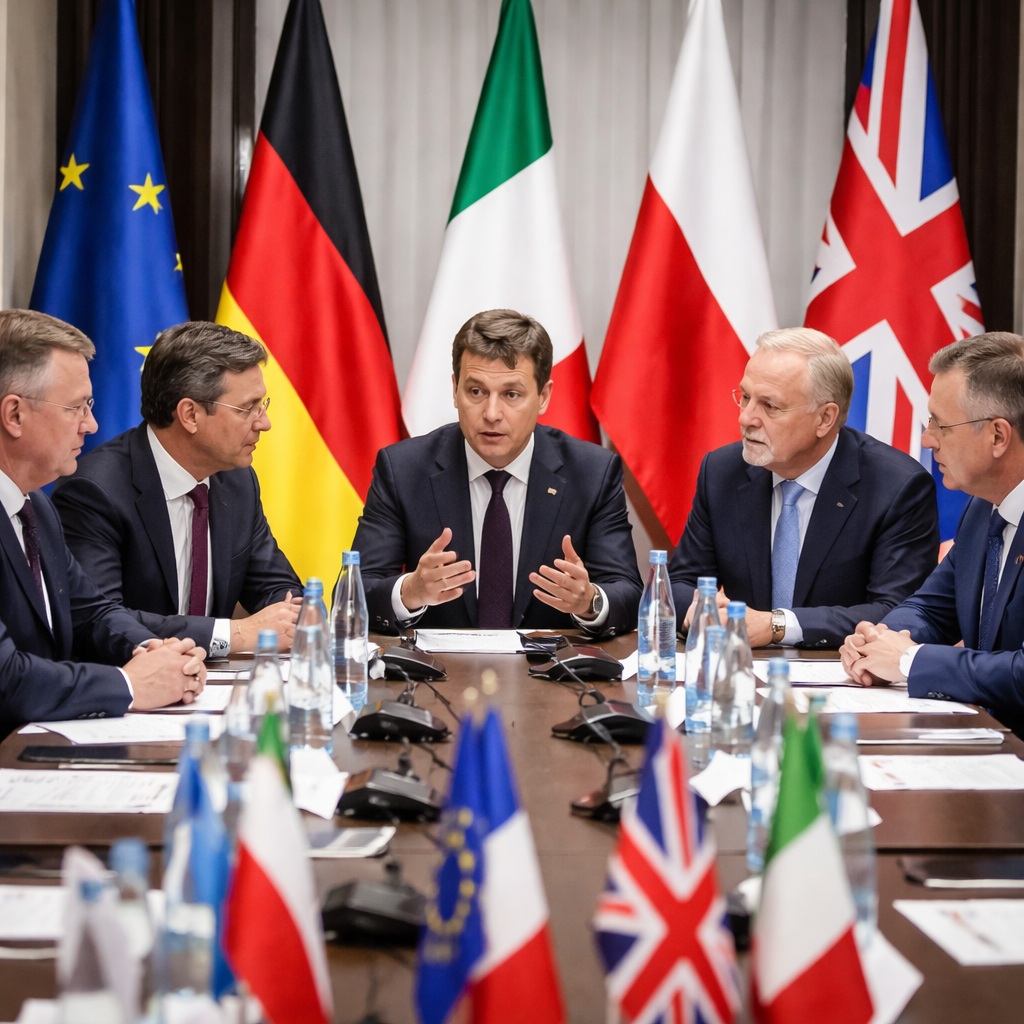
Germany’s international partners are watching closely. As Europe’s largest economy and a pillar of the EU, Germany’s domestic policy direction has continental implications. With France facing its own internal political struggles and the UK still adapting post-Brexit, Germany’s leadership will be critical in setting the EU’s tone on defense, migration, and climate policy.
The new coalition’s emphasis on democratic resilience, digital sovereignty, and sustainable growth will serve as a blueprint for governance amid global uncertainty. As such, Berlin’s success or failure will be both a national and European story.
### Conclusion
Germany’s readiness with a new coalition signifies more than just a change in government—it represents a chance to modernize, innovate, and lead through collaboration. With vision and cooperation, the coalition holds the potential to not only respond to the current challenges but to redefine Germany’s trajectory for years to come.

 The Tower Post