A Diplomatic Journey Marked by Strategy, Nuance, and Global Stakes
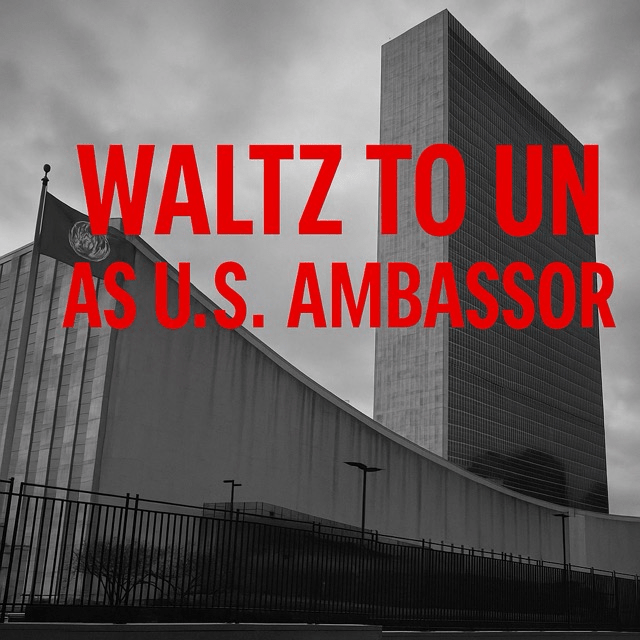
When David Waltz was confirmed as the United States Ambassador to the United Nations, his nomination marked more than a career milestone; it signaled a deliberate choice by Washington to blend diplomacy with strategic continuity. Waltz’s appointment, though not entirely unexpected, represents a broader shift toward pragmatic multilateralism at a time when the international order is facing renewed stress.
With over two decades in foreign service, including postings in Geneva, Nairobi, and Baghdad, Waltz has built a reputation as a consensus-builder who operates effectively within multilateral institutions. His approach is deliberate and measured—qualities deemed essential in navigating the increasingly polarized corridors of the UN.
One of Waltz’s first challenges at the UN was navigating resolutions on humanitarian access in conflict zones, particularly in Syria and Yemen. His ability to broker language acceptable to both Western allies and more reluctant powers like Russia and China earned him quiet praise from diplomats across the aisle. While critics argue that this cautious diplomacy risks watering down American influence, others see it as a necessary evolution in the art of negotiation.
Waltz’s philosophy reflects a return to patient, grounded diplomacy—relying less on confrontation and more on engagement, including with nations where interests diverge. At the same time, he has not shied away from defending U.S. positions on core issues, including human rights and international accountability.
Domestically, his nomination was approved with bipartisan support, a rare occurrence in today’s polarized Washington. Analysts suggest this indicates a recognition, even among skeptics, of the importance of restoring credibility and stability in U.S. diplomacy on the world stage.
Waltz’s tenure comes at a time when global cooperation is critical—on climate change, pandemics, and security threats. His challenge lies in rebuilding bridges while also asserting American values in an arena where rhetoric often overshadows action.
As the world watches how Waltz navigates the intricacies of UN diplomacy, his legacy will likely be measured not just in resolutions passed, but in the tone and tenor of U.S. engagement with the international community. In an era demanding balance and integrity, Ambassador Waltz might just be the steady hand the moment requires.


 The Tower Post