A pivotal conclave seeks a successor who embraces shared leadership and Church reform
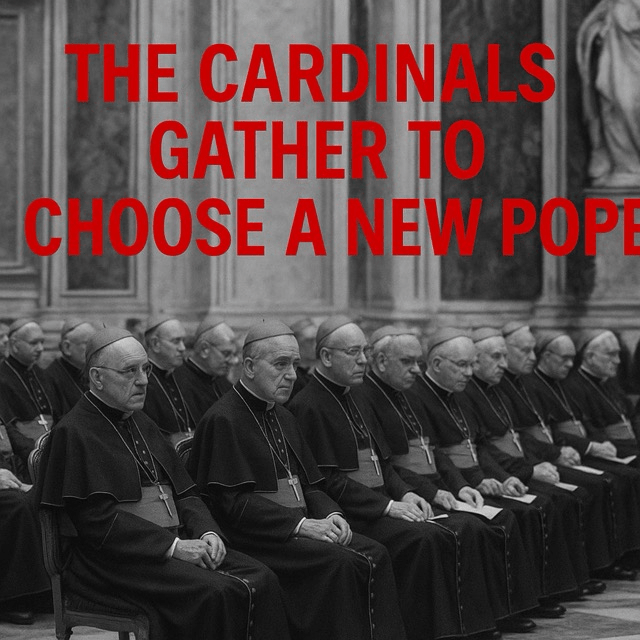
As the Roman Catholic Church enters a time of deep reflection and prayer, the College of Cardinals has convened in a series of closed-door meetings to elect the next pope. These sacred gatherings, known as General Congregations, precede the formal conclave and are filled with discernment, dialogue, and profound spiritual significance.
In a Church increasingly aware of the need for transparency, accountability, and shared governance, the cardinals are expected to consider not only the spiritual and theological depth of potential candidates, but also their willingness to govern collegially. The successor to Pope Francis, who himself championed synodality and decentralization, will inherit both his legacy and his unfinished reform agenda.
Many within the Church hope that the new pope will continue the path laid by Francis: empowering local bishops, strengthening synodal processes, and opening channels for lay voices, particularly women, within the Church’s decision-making structures. The emphasis is on collegiality—a model of governance rooted in shared responsibility among the bishops of the world and communion with the Bishop of Rome.
While the conclave remains an intensely secretive process, sources close to the Vatican suggest that key themes are emerging in the cardinals’ discussions. These include addressing the global clergy abuse crisis with greater decisiveness, responding to the exodus of young people from the faith, engaging with modern social issues, and ensuring doctrinal clarity without rigidity.
Geopolitically, the cardinals are also mindful of the Church’s global identity. With the majority of Catholics now living in the Global South, there is increasing recognition that the next pope must understand the diverse realities of Latin America, Africa, and Asia. A pope who governs collegially must therefore be a bridge-builder—capable of uniting a complex and culturally rich global Church.
The process of electing a new pope, while ancient in tradition, is not immune to the currents of history. As the Sistine Chapel is prepared for the conclave and the world awaits the white smoke, the eyes of millions turn to Rome not only with anticipation but with hope. Hope that the new pontiff will bring continuity where needed, change where necessary, and above all, a commitment to servant leadership.
In an age where institutions are tested by polarization and loss of trust, the Catholic Church stands at a crossroads. The choice of a pope who will govern not as a solitary monarch but as a first among equals could mark a decisive step toward a more inclusive and accountable Church—one that reflects the collegial spirit of the early Christian communities and speaks credibly to the faithful in the modern world.


 The Tower Post