As civilian casualties mount, prospects for lasting peace fade amid escalating conflict
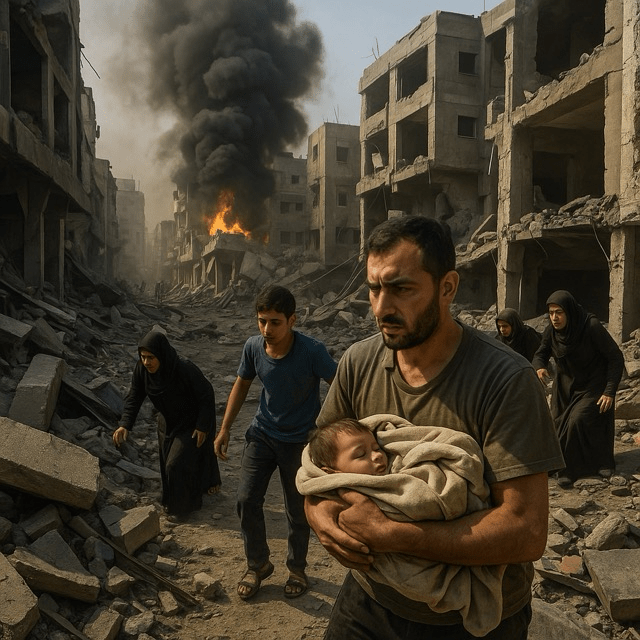
Amid renewed airstrikes and ground operations, Israel’s military campaign in Gaza shows no sign of abating. Over the past month, more than 1,200 Palestinians—many of them women and children—have been killed, according to the Gaza Health Ministry. The intensity of the offensive has left neighborhoods in ruins, overwhelmed hospitals, and families struggling to bury their loved ones under rubble.
Israeli officials defend the operation as a necessary response to Hamas rocket fire targeting southern cities, including Sderot and Ashkelon. In a televised statement, Defense Minister Avi Levin asserted that the strikes aim to dismantle militant infrastructure and degrade Hamas’s capabilities. “We will not tolerate attacks on our citizens,” Levin declared, pledging to continue until security guarantees are in place.
However, the human cost remains staggering. UN agencies report that over 60,000 Gazans have been displaced, sheltering in makeshift camps or overcrowded schools. Humanitarian aid convoys face delays at border crossings, compounding shortages of food, water, and medical supplies. “We are running out of everything,” said Dr. Lina Darwish, a pediatrician at Al-Shifa Hospital. “Children are dying from preventable causes.”
Diplomatic efforts to broker a ceasefire have stalled. Egyptian and Qatari mediators have proposed truce plans offering hostage exchanges and scaled-back operations, yet mutual distrust has hindered implementation. The United States has called for de-escalation but stopped short of pressuring Israel to halt strikes outright, citing the country’s right to self-defense.
The civilian toll has sparked international condemnation. The UN Human Rights Council convened an emergency session, with multiple member states accusing both sides of potential war crimes. Amnesty International warned that indiscriminate attacks could constitute violations of international humanitarian law, urging an independent investigation.
Meanwhile, Gaza’s de facto authorities struggle to maintain order. Infrastructure collapse and security vacuums have allowed criminal gangs to flourish, preying on vulnerable communities. Local officials report that emergency response teams and rescue workers are operating in constant peril, pulling survivors from the wreckage amid fresh bombardments.
Back in Israel, public opinion remains fractured. While many support decisive action against Hamas, others express unease over the civilian casualties and long-term repercussions. Peace activists have organized demonstrations in Tel Aviv and Jerusalem, calling for an end to the bloodshed and a return to negotiations.
Regional powers watch anxiously. Lebanon’s Hezbollah has increased cross-border skirmishes, while Iran has reiterated support for Palestinian factions. Analysts warn that continued escalation could spark a broader conflagration across the Middle East, drawing in state and non-state actors.
For now, the cycle persists: rocket exchanges, air raids, and mounting civilian suffering. The chasm between ceasefire proposals and realities on the ground grows wider, dimming hopes for a durable resolution. With trauma deepening on both sides, prospects for reconciliation appear as distant as ever.
As the conflict grinds on, the question looms: can broken diplomacy reconcile with the rubble and despair, or will Gaza’s devastated streets remain a stark reminder that in war, peace is often the greatest casualty of all?




 The Tower Post