Meta’s Oakley Collaboration Offers a Glimpse into the Future of Wearable Technology

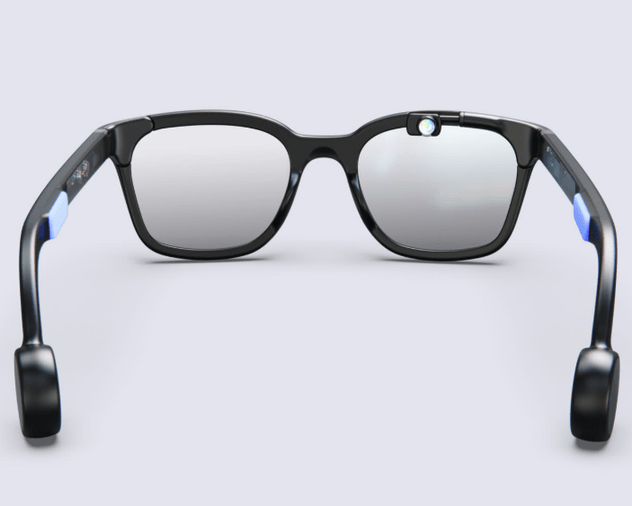
Meta’s latest smart glasses collaboration with Oakley, the HSTN frames, have been making waves in the tech world. While not a drastic departure from their previous models, these performance glasses offer notable upgrades that hint at the company’s long-term ambitions in the space. The Oakley Meta glasses build upon the successful playbook of combining style with just enough tech to keep users connected without needing their phones.
One of the key upgrades is the battery life, which can last up to eight hours with typical use and up to 19 hours on standby. The charging case can provide up to 48 hours of additional runtime, making it a convenient option for users. However, the case is noticeably bigger and heavier than the previous Ray-Ban case, which may be a drawback for some.
The 12-megapixel camera is another significant improvement, capable of shooting in 3K resolution compared to the 1080p on previous models. While the higher resolution is not the default setting, it’s a welcome option for creators looking to shoot POV footage. The camera also has a wide-angle field of view, but it can be challenging to frame shots, and there’s a risk of objects like hats or hair getting in the way.
To mitigate this issue, Meta has added a “media quality” feature, which is still in testing. The feature alerts users when something is partially obstructing the camera. Additionally, the company’s AI app, Meta AI, offers a “smart crop” feature that can automatically straighten photos to correct for head tilt. The app also includes AI-powered edits for photos and video, making it a useful tool for users.
One of the more interesting changes in the Oakley Meta glasses is the shift from calling them “smart glasses” to “AI glasses.” This reflects the company’s focus on artificial intelligence, which is evident in features like live translation and Live AI. The live translation feature allows users to translate speech in real-time, supporting Spanish, French, Italian, and English. While it’s not perfect, the feature is useful for travelers and offers a glimpse into the potential of AI-powered wearables.
Live AI, on the other hand, is a real-time version of the glasses’ multimodal powers. It allows users to ask questions without needing to repeatedly say “hey Meta,” and can identify landmarks, plants, and other objects. However, the feature can feel gimmicky and doesn’t always work as intended.
The Oakley Meta glasses are priced at $499 for the special edition HSTN frames, with other versions starting at $399. Considering the company’s Ray-Ban glasses start at $299, it’s unclear whether the upgrades justify the added cost for most users. However, the glasses do offer a clearer picture of where Meta is headed with its smart glasses, hinting at the potential for displays and augmented reality capabilities in the future.
Ultimately, the Oakley Meta glasses represent a step closer to the future of wearable technology, where AI and augmented reality will become increasingly integrated into our daily lives. While they may not be perfect, these performance glasses offer a glimpse into the potential of what’s to come.