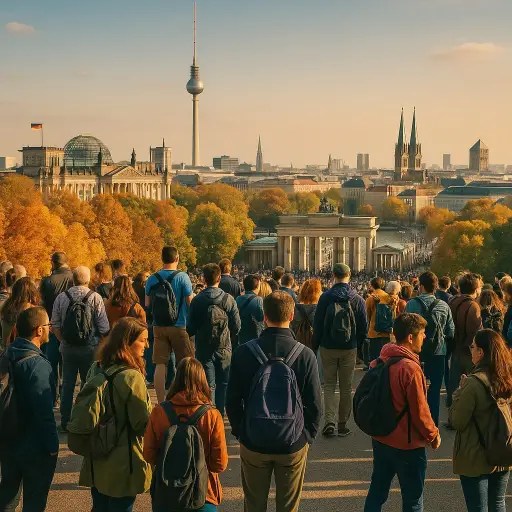
As a packed calendar of festivals, expos and cultural showcases converges across the continent, major European destinations gear up for a record‑breaking visitor rush — and the challenges that go with it.
With the tail end of the year fast approaching, Europe is preparing for what industry insiders are calling one of its most dynamic tourism moments in recent memory. Several heavyweight destinations—including Germany—are aligning behind a wave of major events that promise to draw visitors from around the world.
Germany’s tourism sector has signalled it expects “all‑time records” in 2025, according to a report released by the World Travel & Tourism Council earlier this year. Simultaneously, agencies across Europe confirm that visitor interest remains elevated despite economic headwinds.
In this broader context, Germany’s joining of the push alongside France, Italy, United Kingdom and Russia sends a clear signal: this end‑of‑year stretch could set a new benchmark for Europe’s tourism industry.
A calendar stacked for impact
Several high‑profile cultural, sport and business‑travel events are scheduled across the continent, fuelling momentum. Germany, in particular, has rolled out promotional campaigns centred on sustainability, heritage and urban appeal to capture this moment. Meanwhile, reports suggest European destinations continue to draw strong numbers despite global uncertainty, with arrivals rising year‑to‑date.
Organisers note that the combination of festivals, business conventions and cultural showcases is proving especially potent in attracting travellers who stay longer and spend more. For Germany and peers, this means not just quantity of visitors—but quality of experience.
Germany steps up
Germany’s tourism authorities have been vocal about converting this favourable moment into long‑term advantage. By emphasising green travel, historic cities and regional tourism growth, the country aims to capture a slice of the surge while mitigating overtourism risks.
In past years, Germany had focused heavily on domestic and European travel; this year the push is global, with increased flight connectivity and marketing aimed at North America and Asia. The chart topping “all‑time records” forecast by the WTTC points to more than just incremental growth—it signals a structural uplift.
Ripple effects across Europe
France, Italy, the UK and Russia are likewise gearing up. The synergy among these countries—each with its own strengths and event calendars—creates a broad incentive for travellers to multi‑destinate. Travel advisors report that rather than a single city, visitors increasingly plan “European trips” that span several countries in one journey.
There are clear advantages:
- Cross‑border marketing means travellers stay longer and visit more places.
- Transport networks (rail, budget flights) are more connected than ever.
- Shared momentum builds a sense of “Europe as one destination”.
But caution flags also wave
Despite optimism, tourism officials are mindful of challenges. Overcrowding, strain on heritage sites and infrastructure, as well as sustainability issues, have emerged as key concerns. In some southern European cities, protests against overtourism have already occurred this year.
With Germany now joining the full‑throttle push, observers caution that thoughtful planning will be essential. Without it, the economic benefits could be offset by resident backlash, environmental degradation and loss of visitor goodwill.
What this means for the traveller
For visitors eyeing Europe in the coming months, the message is clear: this is likely a peak moment. Booking early is wise. But so is being conscious of local dynamics—choosing lesser‑known regions, travelling off‑peak within the season, and being respectful of cultural norms.
For the industry, the end of 2025 may well shape how Europe is positioned as a global travel destination for years to come. If Germany and its peers execute effectively, the continent could emerge not just with higher numbers, but with a more diversified, sustainable and competitive tourism ecosystem.
Conclusion
As Europe heads into what may be a signature tourism phase, Germany’s full engagement alongside historic players like France and Italy marks a strategic turning point. With a calendar of large‑scale events, increasing global connectivity and heightened promotional focus, late 2025 may see Europe turn a page. Whether that page reads as a triumph or cautionary tale depends on how stakeholders balance growth with stewardship.

 The Tower Post