Serbia readies itself for a winter showcase of strength, tactics, and tradition as the continent’s top teams gather for the men’s continental crown.

Belgrade is once again bracing for a sporting moment that goes far beyond the pool. As winter settles over the Serbian capital, the city prepares to welcome Europe’s finest water polo nations for the men’s European Championship, a tournament that has long been a proving ground for the sport’s deepest traditions and fiercest rivalries.
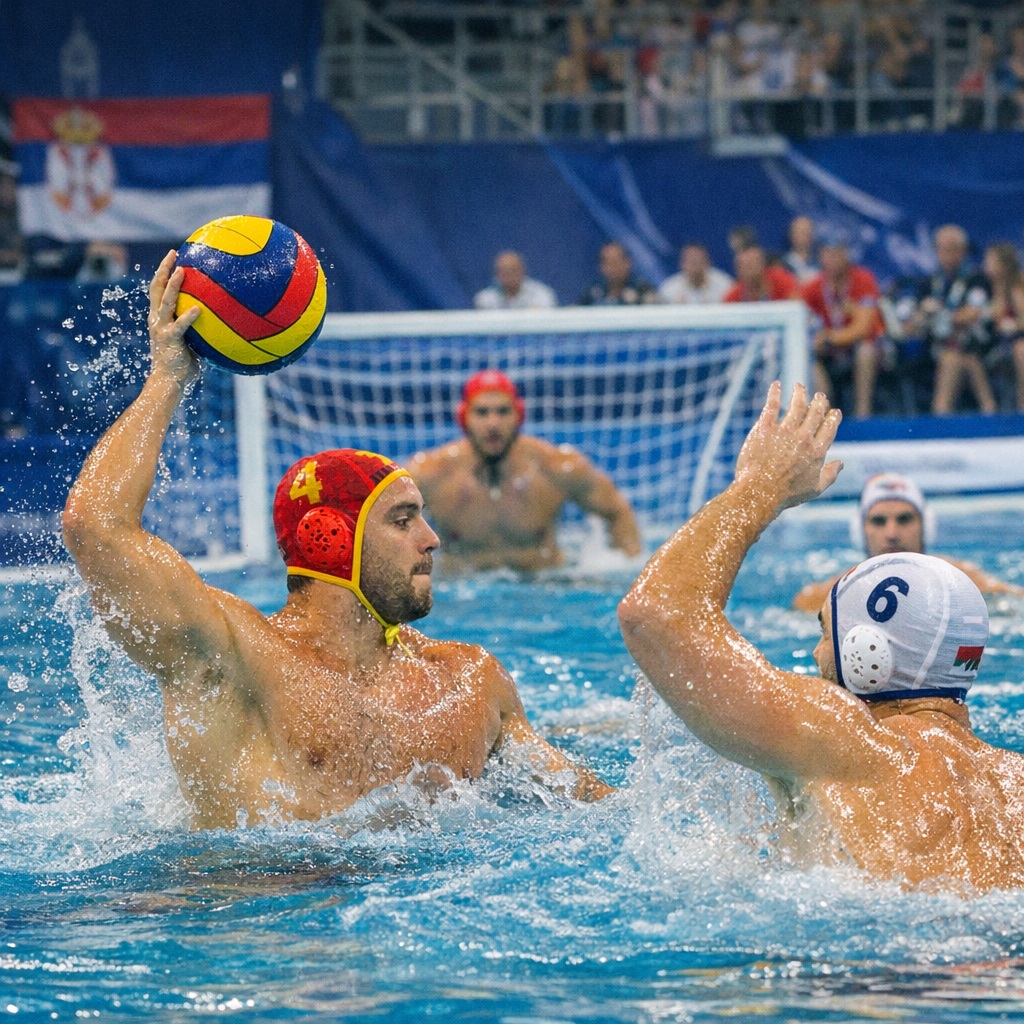
The championship arrives at a time when European water polo is enjoying renewed competitive balance. Sixteen national teams will enter the arena, each bringing a distinct style shaped by local schools of play, generations of coaching philosophy, and the pressure of representing countries where water polo remains a matter of national pride. From the opening whistle, the event is expected to deliver tightly contested matches, physical battles at center forward, and tactical chess games played out possession by possession.
Belgrade’s selection as host city carries symbolic weight. Serbia is not only one of the sport’s historic powerhouses, but also a nation where water polo enjoys a status reserved elsewhere for football or basketball. Local organizers have emphasized readiness, from modernized facilities to security, logistics, and fan engagement, aiming to create an atmosphere worthy of the championship’s stature. For visiting teams, the Serbian capital promises intense crowds, knowledgeable supporters, and a setting where experience under pressure can be decisive.
At the heart of the narrative stands Spain, returning as defending champion. Their previous triumph marked a significant chapter in Spanish water polo, underlining the success of a program built on technical precision, disciplined defense, and a new generation of players capable of controlling tempo against more physically imposing opponents. This time, however, Spain arrives not as a surprise contender but as a measured favorite, aware that every rival now studies their approach in detail.
Challengers are plentiful. Traditional giants from the Adriatic region are expected to lean on physical dominance and deep benches, while Central European sides bring structured systems and disciplined transitions. Mediterranean teams, meanwhile, continue to emphasize creativity and movement, seeking to stretch defenses and draw exclusions through speed and unpredictability. The result is a tournament where contrasting identities collide daily, often turning matches into stylistic showdowns as much as athletic contests.
Beyond tactics and medals, the championship serves as a critical checkpoint in the broader international cycle. Coaches use the event to test lineups, refine roles, and evaluate younger players under elite conditions. For veterans, it is another opportunity to assert leadership and extend legacies forged across Olympic and world competitions. For newcomers, a strong performance in Belgrade could mark the beginning of long international careers.
Serbia itself enters the competition carrying both expectation and opportunity. Playing at home brings familiarity and support, but also heightened scrutiny. The national team’s recent evolution, blending experienced figures with emerging talent, reflects a broader transition underway. Success on home soil would reaffirm Serbia’s standing at the top of European water polo, while any stumble would be dissected with characteristic intensity by local media and fans.
The championship also highlights water polo’s enduring appeal in Europe, even as the global sports landscape grows increasingly crowded. Matches remain compact yet dramatic, with momentum swinging rapidly through exclusions, counterattacks, and goalkeeper heroics. For broadcasters and organizers, the challenge lies in translating this intensity to wider audiences, showcasing a sport that rewards patience, understanding, and respect for nuance.
As the opening match approaches, Belgrade’s hotels, training venues, and cafés are filling with players, officials, and supporters speaking dozens of languages but sharing a single focus. Conversations revolve around matchups, refereeing styles, and the fine margins that decide championships. In the water, preparation is reaching its final phase; on land, anticipation continues to build.
By the time the final is played, one team will lift the continental trophy, but the championship’s impact will extend further. It will shape rankings, influence selection decisions, and set the tone for the next phase of international competition. For Belgrade, hosting the event reinforces its place on the European sporting map. For Europe’s water polo community, the championship stands as a reminder that tradition, rivalry, and excellence still define the sport at its highest level.