Sweeping power-unit and aerodynamic reforms promise tighter racing, strategic shake-ups and a sustainability-driven transformation ahead of the Bahrain opener

The Formula 1 paddock has shifted from anticipation to revelation as teams unveil radically redesigned cars built to comply with the sweeping 2026 regulations, marking one of the most significant technical resets in the championship’s modern history and setting the tone for a season poised to redefine competitive order.
At the heart of the overhaul lies an entirely reworked power-unit concept that dramatically increases the electrical contribution to performance while pairing it with fully sustainable fuels, forcing engineers to rethink combustion efficiency, energy harvesting, battery deployment and thermal management as interconnected components of a single high-performance ecosystem.
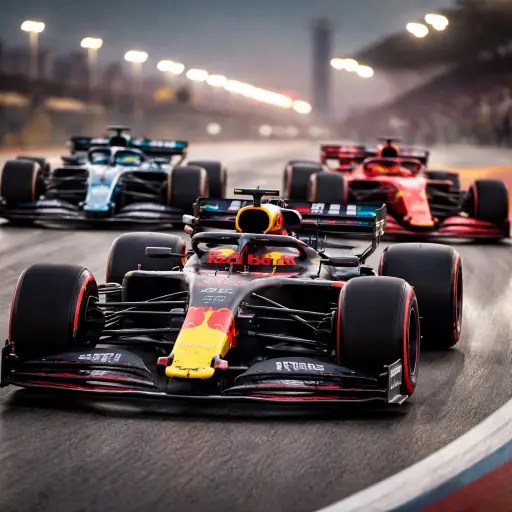
Visually, the new generation of cars reflects this philosophical shift, with slimmer bodywork, reprofiled sidepods, revised floor geometries and striking rear wing concepts that prioritize aerodynamic efficiency and wake control over sheer downforce peaks, all aimed at enabling closer racing and more consistent overtaking opportunities.
Teams describe months of simulation work spent not only chasing peak lap time but also refining how turbulent air disperses behind the car, as governing bodies pushed designers to create machines that can run nose-to-tail without the dramatic performance losses that characterized previous aerodynamic eras.
Power-unit manufacturers have emphasized that the enhanced hybrid systems will alter race craft at a fundamental level, with drivers required to manage energy harvesting and deployment far more actively throughout a lap, turning braking zones and throttle application into tactical decisions that can influence overtaking potential several corners later.
Sustainability targets are no longer peripheral ambitions but structural requirements embedded within the sport’s competitive DNA, as the adoption of advanced sustainable fuels demands recalibrated ignition mapping and combustion strategies while maintaining the energy density and reliability standards expected at the pinnacle of global motorsport.
Strategists within the paddock suggest that race weekends will increasingly revolve around optimizing energy flow rather than relying solely on tire degradation patterns, with deployment mapping and recovery windows shaping defensive maneuvers, straight-line speed bursts and undercut attempts in ways that could make strategy boards more dynamic than ever.
Early internal simulations indicate a particularly compressed midfield, with several traditionally mid-ranking teams reporting promising correlation between wind tunnel data and track modeling, raising expectations that qualifying sessions could hinge on marginal gains measured in thousandths rather than tenths.
Front-running outfits remain guarded in their public assessments, acknowledging that while infrastructure and experience provide advantages, the regulatory reset has rewarded bold interpretation and creative packaging solutions, opening the door for unexpected challengers to disrupt the established hierarchy.
Drivers testing the new machinery have spoken of a more interactive driving style, describing cars that demand constant attention to energy states and braking balance while delivering a distinct feel under acceleration as electrical power plays a more pronounced role in overall thrust.
Engineers caution that the true competitive picture will only emerge under race conditions when cars operate in traffic and strategic decisions unfold in real time, as correlation between simulation tools and the realities of heat, tire wear and wheel-to-wheel combat remains the ultimate benchmark of development accuracy.
As freight operations conclude and teams finalize preparations for the desert season opener, anticipation builds around whether the ambitious regulatory gamble will translate into the tighter competition and enhanced spectacle envisioned by the sport’s leadership.
What is clear is that Formula 1 has embraced transformation rather than incremental refinement, committing to a future where hybrid innovation, environmental accountability and pure racing intensity intersect, and as engines fire under the Gulf lights the championship stands ready to prove that technological evolution and competitive drama can accelerate together.