Fuel Shock Ripples Through Households as War-Driven Inflation Tightens Economic Pressure

Oil markets have surged past the $118 threshold, sending shockwaves through economies already grappling with persistent inflation and fragile recovery. The sharp escalation in crude prices has translated rapidly into higher fuel costs across the United Kingdom and much of Europe, deepening concerns over a renewed cost-of-living crisis.
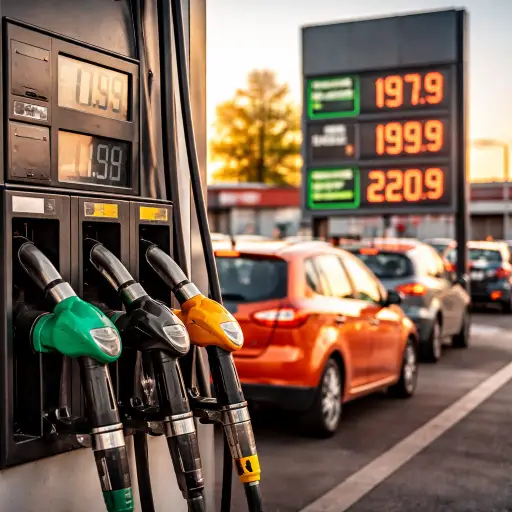
Petrol stations across major cities and rural areas alike are reflecting the surge, with motorists facing significantly higher prices at the pump. For many households, the increase is not merely an inconvenience but a substantial financial burden, particularly as wages struggle to keep pace with inflation. Commuters, delivery drivers, and small business owners are among those most immediately affected, reporting growing strain on already stretched budgets.
Energy analysts point to ongoing geopolitical tensions as a primary driver behind the spike. Disruptions to global supply chains, compounded by uncertainty surrounding key oil-producing regions, have tightened availability and pushed prices upward. Markets remain volatile, with traders reacting swiftly to developments on the geopolitical stage, amplifying price swings and uncertainty.
The consequences extend far beyond transportation costs. Rising oil prices are feeding directly into broader inflationary pressures, impacting everything from food production to manufacturing. Logistics expenses have climbed sharply, and businesses are increasingly passing these costs onto consumers. Supermarket prices, in particular, are expected to reflect these changes in the coming weeks, placing additional strain on household finances.
In the United Kingdom, policymakers are facing renewed pressure to respond. Government officials have signaled concern over the pace of price increases, particularly as energy bills are already projected to rise sharply. Households are bracing for higher heating and electricity costs, compounding the financial challenges posed by fuel expenses.
Across Europe, the situation mirrors that of the UK. Countries heavily dependent on imported energy are particularly vulnerable, with governments weighing intervention measures such as subsidies, tax reductions, or price caps. However, such measures come with fiscal trade-offs, raising concerns about long-term economic stability.
For many families, the combined impact of rising fuel and energy costs is forcing difficult decisions. Spending on non-essential goods is being curtailed, savings are being depleted, and financial resilience is being tested. Charitable organizations report increased demand for assistance, highlighting the human dimension of the economic pressures.
Economists warn that the current surge in oil prices could have lasting implications if sustained. Prolonged high energy costs risk slowing economic growth, dampening consumer confidence, and exacerbating inequality. Lower-income households, which spend a larger proportion of their income on energy and essentials, are expected to bear the brunt of the impact.
At the same time, the situation is prompting renewed discussions around energy transition and resilience. The volatility of fossil fuel markets is reinforcing calls for investment in renewable energy sources and greater energy independence. While such transitions take time, the current crisis is accelerating policy debates and strategic planning across the region.
Financial markets are also reacting to the developments, with investors closely monitoring inflation indicators and central bank responses. The prospect of sustained high energy prices complicates monetary policy decisions, particularly as central banks attempt to balance inflation control with economic growth.
Despite the uncertainty, some analysts suggest that the current spike could eventually stabilize if supply conditions improve or geopolitical tensions ease. However, in the near term, households and businesses are preparing for continued pressure.
As oil prices remain elevated, the cost-of-living crisis shows little sign of abating. For millions across Europe, the immediate concern is not just the price of fuel, but the broader economic strain that accompanies it. The coming period is likely to test both policy responses and household resilience in the face of sustained economic headwinds.