Two tourists dead and five severely frostbitten after expedition fractures in remote wilderness, prompting criminal investigation

A remote trekking expedition on Russia’s far eastern Kamchatka Peninsula has ended in tragedy, leaving two tourists dead and five others suffering severe frostbite after a group became stranded for several days in harsh winter conditions.
Rescue teams located the missing hikers on Friday following an intensive search effort across the rugged and largely inaccessible terrain. The group had been reported missing after seven members split from two others following an internal dispute, a decision that investigators now believe may have significantly reduced their chances of survival.
According to preliminary findings, the larger group continued without essential equipment, including a tent and a satellite communication device. In a region known for extreme weather, sudden storms and sub-zero temperatures, such omissions can quickly turn fatal.
Kamchatka, a vast peninsula stretching into the Pacific Ocean, is renowned for its dramatic volcanic landscapes and remote wilderness, but it is also one of the most unforgiving environments in the Russian Federation. Temperatures can plunge rapidly, and visibility often deteriorates without warning, complicating navigation even for experienced hikers.
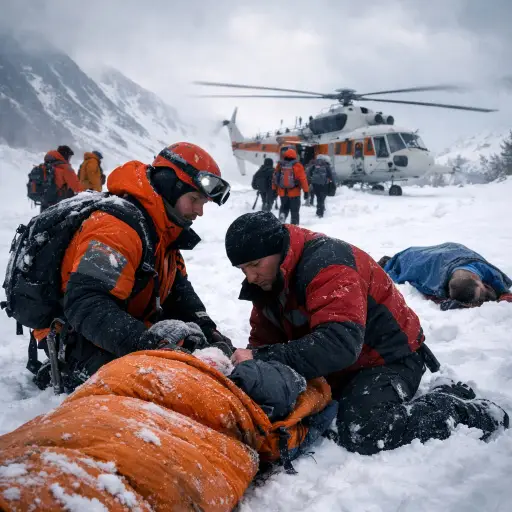
Rescuers described a grim scene upon reaching the group. Two individuals had already succumbed to exposure, while the survivors were found in critical condition, many unable to move due to advanced frostbite. Emergency crews provided immediate medical assistance before evacuating the injured to regional hospitals.
Local authorities have launched a criminal investigation into the incident, treating it as a possible case of negligent homicide. Officials are also examining whether the tour operator involved may have violated safety regulations by providing services that failed to meet mandatory standards.
Investigators are focusing on the planning and oversight of the expedition, including whether participants were adequately equipped and briefed on the risks. Early reports suggest that the absence of proper contingency planning may have played a decisive role in the outcome.
The incident has reignited concerns about the growing popularity of adventure tourism in remote regions, where logistical challenges and limited infrastructure can leave travelers highly vulnerable in emergency situations. Experts warn that even minor miscalculations—such as underestimating weather conditions or overestimating physical endurance—can escalate rapidly into life-threatening scenarios.
Search and rescue operations in Kamchatka are notoriously difficult due to the vast distances and limited accessibility. Helicopters are often required to reach stranded groups, but adverse weather can ground aircraft for extended periods, delaying critical response times.
Authorities have not released the identities of the victims, pending notification of their families. Meanwhile, the survivors remain under medical supervision, with some facing long-term consequences from their injuries.
As the investigation continues, officials are expected to review existing safety protocols governing guided expeditions in the region. The tragedy is likely to prompt renewed scrutiny of tour operators and may lead to stricter enforcement of equipment and communication requirements.
For now, the events serve as a stark reminder of the risks inherent in venturing into some of the world’s most remote landscapes, where preparation and caution are not just advisable but essential for survival.