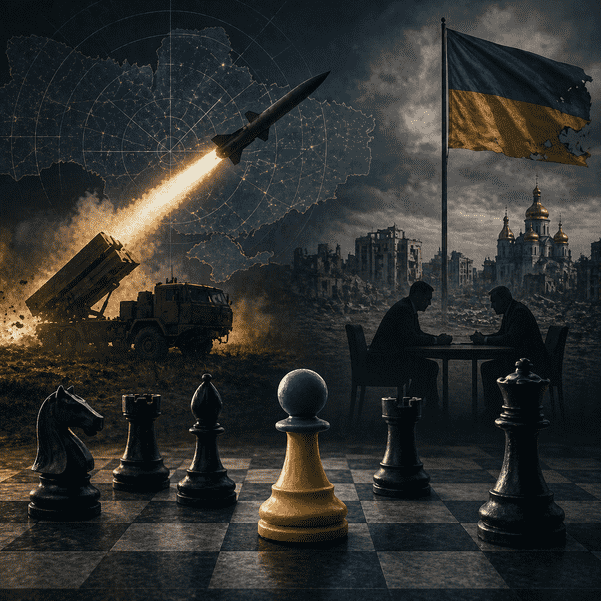
As both sides test the limits of long-range strikes, shifting political alliances and diplomatic overtures are reshaping the trajectory of the conflict.

As of late April 2026, the conflict in Ukraine remains intense, marked by a surge in long-range strikes and renewed, albeit uncertain, diplomatic maneuvering. Following a recent conversation between US President Donald Trump and Vladimir Putin, both leaders have called for a brief cease-fire, though the proposal faces significant skepticism regarding its viability given the history of failed truces and ongoing hostilities.
Recent Military Developments
The battlefield situation remains volatile, with both sides continuing to utilize long-range capabilities to target strategic infrastructure. On April 15, Russia launched one of its most significant barrages of missiles and drones this year, resulting in widespread civilian casualties across multiple Ukrainian cities, including Dnipro and Kharkiv. In response, Ukrainian forces have sustained their own long-range strike campaign, successfully targeting Russian defense industrial facilities, including a notable drone strike on a petrochemical plant in Bashkortostan, over 1,500 kilometers from the border.
Furthermore, Ukrainian operations continue to focus on disrupting Russian logistics, with recent reports indicating successful drone strikes against oil refineries, such as the facility in Tuapse. On the front lines, General Oleksandr Syrskyi has mandated a rotation of troops from frontline positions after two months of service, underscoring the grueling nature of the ongoing combat. Meanwhile, the Russian military is preparing for its annual Victory Day parade in Moscow, which will notably lack the usual display of heavy armor—a move analysts suggest highlights the significant toll the war has exacted on Russian heavy military equipment.
Diplomatic and Political Context
The diplomatic landscape is dominated by the recent communication between President Trump and President Putin regarding a potential cease-fire. While the exact terms of such a proposal remain unclear, previous attempts at truces have collapsed due to mutual accusations of violations, leaving observers doubtful that a lasting peace is imminent. Additionally, the political climate remains strained, with some Ukrainian officials proposing to rename parts of the Donbas in honor of President Trump, reflecting a strategy aimed at securing continued US support.
Providing tangible reinforcement to these efforts, the Pentagon announced on April 29 the release of a $400 million military aid package for Ukraine, following months of delays and internal pressure from U.S. lawmakers. Simultaneously, signs of domestic strain are emerging within Russia, where reports indicate that Vladimir Putin’s popularity has begun to decline for the first time since the onset of the full-scale invasion, coinciding with a notable slowdown in the Russian economy