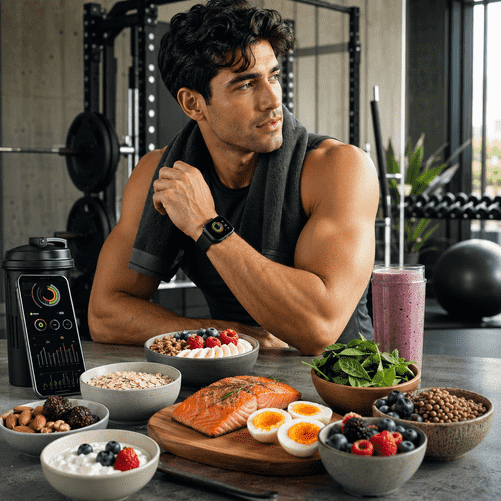
Protein-rich snacks, fibre-boosted foods and wearable-driven nutrition are reshaping diets in 2026, as consumers chase strength, longevity and metabolic health without returning to old-style deprivation.

A new diet and fitness trend is reshaping grocery aisles, gym routines and wellness marketing: health maxxing.
The idea is simple: every meal, snack and workout should do more. Instead of only counting calories, consumers are increasingly looking for foods and habits that deliver higher protein, more fibre, better gut health, improved glucose control and measurable progress on wearable devices. The trend has accelerated as wellness culture moves away from traditional dieting and toward optimization, longevity and body composition.
The shift is visible in supermarkets. High-protein chips, protein-enriched pasta, fibre-rich breads, prebiotic drinks and functional beverages are moving from niche shelves into mainstream shopping baskets. Food companies are responding to consumers who want products that feel efficient: fewer empty calories, more nutrients, and clearer links to strength, satiety or digestive health.
The rise of GLP-1 weight-loss drugs has added momentum. As medications such as Ozempic and Mounjaro reduce appetite, many users are looking for nutrient-dense foods that help them maintain muscle, avoid under-eating and get enough protein and fibre in smaller meals. Industry analysts say protein and fibre are now among the defining nutrition innovation themes of 2026, linked to healthspan, satiety and metabolic support.
Gyms are adapting too. Strength training, recovery tracking and wearable-based coaching are becoming central to mainstream fitness. The American College of Sports Medicine named wearable technology the top fitness trend for 2026, noting that fitness trackers and smartwatches are now widely used and that the next challenge is helping people interpret their data in healthier ways.
But the trend also carries risks. Nutrition experts warn that “maxxing” can become another form of obsession if every food choice is treated as a performance metric. A protein snack is not automatically healthier than a balanced meal, and a fibre-enhanced packaged product does not replace whole grains, vegetables, legumes or fruit. The concern is that wellness marketing may repackage ultra-processed foods as healthy simply because they contain added protein, fibre or functional ingredients.
That tension is now shaping the future of diet culture. On one side, consumers want practical tools to build muscle, support digestion and manage weight more sustainably. On the other, there is growing fatigue with constant optimization — a feeling that food should still provide pleasure, culture and social connection, not only biometric improvement. The Global Wellness Summit has identified a backlash against over-optimization as one of the major wellness themes of 2026.
The healthiest version of the trend may therefore be the most balanced one. Protein, fibre, strength training and wearables can all support better health when used intelligently. But the new wellness economy is also testing a broader question: whether people can use data and functional foods to improve their lives without turning the body into a permanent project.
For now, health maxxing is likely to keep growing. It fits perfectly with a culture focused on longevity, fitness tracking and preventive health. The challenge will be making sure the pursuit of better performance does not erase the simplest principle of nutrition: real food, consistency and moderation still matter.