After a Ukrainian drone was shot down over Estonia, Moscow accused Kyiv of using Baltic territory — claims Latvia, Ukraine and Western diplomats dismissed as baseless.

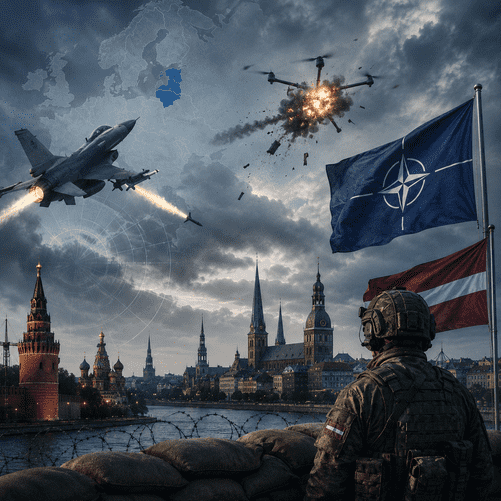
RIGA — Tensions between Russia and NATO escalated sharply on Tuesday after Moscow warned Latvia it could face retaliation over alleged Ukrainian drone activity, drawing a firm rebuke from the United States and European diplomats at the United Nations.
Russia’s ambassador to the UN, Vasily Nebenzya, claimed Ukraine was using or preparing to use Latvian territory for drone operations against Russia. He warned that NATO membership would not protect Latvia if such attacks were launched from its soil. Latvia rejected the accusation, calling it unfounded, while Ukraine dismissed the claim as fabricated.
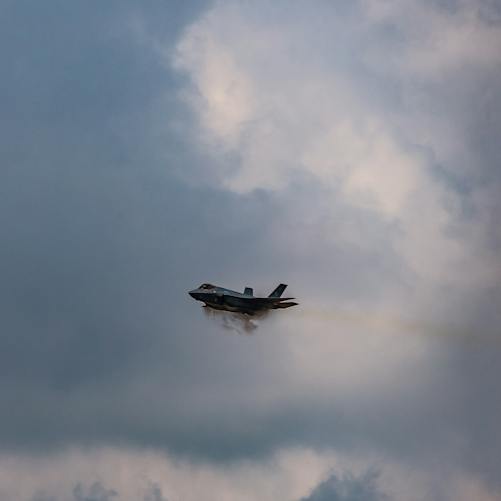
The warning came after a NATO-operated Romanian F-16 shot down a Ukrainian drone over southern Estonia. Estonia said the drone’s path posed a threat to its territory, while Ukraine apologized and said Russian electronic warfare, including jamming and spoofing, may have diverted the aircraft off course.
The incident has raised fresh concern across the Baltic region, where Estonia, Latvia and Lithuania sit on NATO’s front line with Russia and Belarus. Latvia reported air-threat alerts, while NATO aircraft were deployed in response to the heightened risk. No confirmed drone strike from Latvian territory was reported.
At the UN, the United States condemned Russia’s comments and reaffirmed NATO’s security commitments. Western officials said Moscow’s accusations appeared designed to pressure Baltic governments and create uncertainty inside the alliance. Latvia’s representative also rejected what she described as Russian disinformation.
The episode highlights how the war in Ukraine is increasingly spilling into the airspace and security calculations of neighboring NATO states. Long-range drone warfare has become a central part of the conflict, but electronic interference, navigational errors and Russian countermeasures have increased the risk of accidental incursions into allied territory.
For NATO, the challenge is delicate: defend allied airspace without allowing Russia to frame defensive actions as escalation. For the Baltic states, the message is more immediate. Even when no direct attack occurs, each drone alert, airspace violation or hostile statement from Moscow reinforces the sense that Europe’s eastern flank remains one of the world’s most dangerous fault lines.