Two Uyghur men convicted over the 2015 Erawan Shrine bombing plan to appeal after a trial that lasted more than a decade

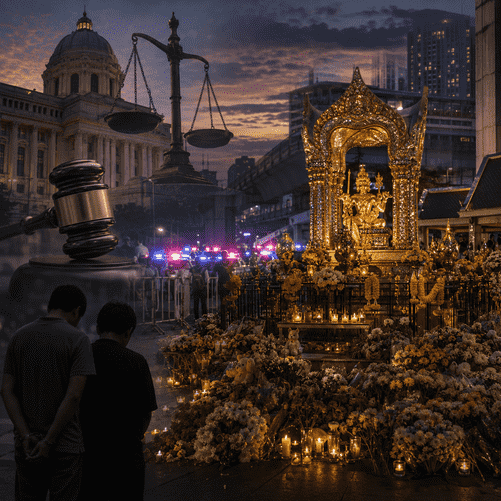
A Thai court has sentenced two Uyghur men to death for the 2015 bombing of Bangkok’s Erawan Shrine, bringing a dramatic verdict in one of the deadliest attacks in Thailand’s modern history.
The blast, which tore through the popular shrine in the heart of Bangkok on 17 August 2015, killed 20 people and injured around 120 others. The site, located in a busy commercial and tourist district, was crowded with worshippers, commuters and foreign visitors when the bomb exploded. Among the dead were several foreign nationals, including people from mainland China and Hong Kong.
The court found the two men guilty of multiple offences, including premeditated murder, attempted murder and offences linked to explosives. The death sentences close one chapter of a case that has haunted Thailand for more than ten years, but the legal battle is not over. Both defendants have denied the charges and are expected to appeal.
The two men, identified in reports as Uyghurs from China’s Xinjiang region, were arrested in the aftermath of the attack. Thai authorities accused them of involvement in placing the bomb that devastated the shrine. The investigation relied on evidence including surveillance footage, forensic material and witness testimony, though the case was repeatedly delayed by procedural problems, including difficulties finding suitable interpreters.
The long delay became one of the defining features of the trial. Proceedings stretched across more than a decade, moving through Thailand’s justice system while lawyers, human rights groups and observers questioned whether the defendants had received adequate due process. Defence lawyers have argued that important aspects of the case were not properly considered and said they will challenge the verdict.
No group ever claimed responsibility for the bombing, leaving the motive contested. Thai authorities at various points suggested the attack may have been linked to a criminal people-smuggling network angered by a police crackdown. But security analysts have long pointed to another possible trigger: Thailand’s decision shortly before the bombing to deport more than 100 Uyghurs to China, a move that drew international condemnation.
The Uyghurs are a mostly Muslim ethnic minority from Xinjiang, where China has faced sustained criticism over its treatment of the population. Beijing denies abuses, but human rights groups and Western governments have accused China of imposing sweeping restrictions on religious and cultural life. Thailand’s deportations of Uyghurs have repeatedly been criticized by rights advocates, who warn that returnees may face detention, mistreatment or torture.
China welcomed the Thai court’s verdict, describing the bombing as a brutal crime and emphasizing the number of Chinese citizens killed. For Beijing, the judgment reinforces its long-standing position that violence linked to Xinjiang should be treated as terrorism. For human rights groups, however, the case remains troubling because of concerns over the fairness of the trial and the broader political context surrounding Uyghur deportations.
The Erawan Shrine attack shocked Thailand and damaged Bangkok’s image as a safe destination for international visitors. The shrine, dedicated to the Hindu deity Brahma and frequented by both Thais and tourists, is one of the city’s most recognizable religious landmarks. The bombing struck not only a place of worship but also one of the symbolic centers of Bangkok’s public life.
More than a decade later, the verdict has revived painful memories of the blast and renewed questions about justice, security and geopolitics. For the families of the victims, the death sentences may offer a measure of closure. For Thailand, the case remains a reminder of how quickly regional tensions, migration disputes and international politics can erupt into violence on its own streets.
The defendants’ appeal means the case is likely to continue. But the ruling has already ensured that the Erawan Shrine bombing will remain one of the most consequential criminal cases in Thailand’s recent history — not only because of the lives lost, but because of the unresolved questions surrounding why the attack happened and whether justice has truly been served.