Mediators say the first round of talks produced a roadmap for a final agreement within 60 days, though major obstacles remain over Lebanon, sanctions, the Strait of Hormuz and Iran’s nuclear programme.

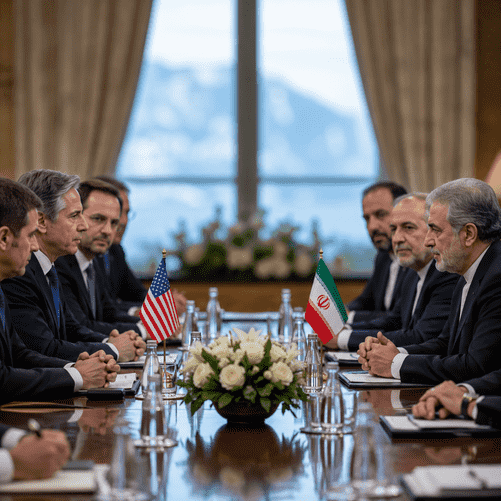
The first round of negotiations between the United States and Iran has ended with what mediators described as “encouraging progress,” raising cautious hopes that diplomacy could move both sides closer to a final agreement to end the war.
Qatar and Pakistan, which are mediating the talks, said discussions produced a roadmap aimed at reaching a comprehensive deal within 60 days. The negotiations, held in Switzerland, came after months of conflict and mounting regional instability, including tensions in Lebanon and threats to shipping through the Strait of Hormuz.
According to mediators, the talks were conducted in a positive and constructive atmosphere despite lingering mistrust between Washington and Tehran. Technical discussions are expected to continue throughout the week, suggesting that both sides are willing to keep the diplomatic channel open even as major disagreements remain unresolved.
One of the most immediate outcomes was an agreement to establish a communication line to prevent incidents and miscommunication in the Strait of Hormuz, one of the world’s most important routes for oil and commercial shipping. Any disruption there could have serious consequences for global energy markets.
The talks also addressed the conflict in Lebanon, where fighting involving Israel and Iran-backed Hezbollah has complicated efforts to reach a broader settlement. Mediators said the sides agreed to create a de-confliction mechanism intended to reduce the risk of further escalation and support efforts to halt military operations.
Iranian officials welcomed the progress but stressed that real tests remain ahead. Tehran is seeking sanctions relief, guarantees over oil and petrochemical exports, and access to frozen assets. Washington, meanwhile, is expected to press for limits on Iran’s nuclear programme and restrictions on its support for armed groups in the region.
The negotiations remain politically fragile. Any final deal would need to satisfy hardliners in both countries, reassure regional allies, and survive potential flare-ups on the ground. Israel’s position is especially important, as continued fighting in Lebanon or renewed strikes could undermine the diplomatic process before it reaches a final stage.
Still, the tone after the first round was notably more optimistic than in previous exchanges. The agreement on a 60-day roadmap gives negotiators a timeline, while the creation of practical mechanisms on Lebanon and maritime security provides early signs that the talks may produce more than symbolic gestures.
For now, the progress is best described as cautious rather than decisive. The US and Iran have not yet reached a final peace deal, and some of the hardest issues remain ahead. But after months of confrontation, the fact that both sides are still talking — and that mediators are publicly describing the talks as constructive — marks a significant diplomatic opening.
Whether that opening becomes a lasting settlement will depend on what happens next: continued negotiations, restraint by regional actors, and the ability of both Washington and Tehran to turn early progress into binding commitments.