Safran’s planned acquisition of Exail Technologies shows how sea drones are becoming a strategic priority as governments invest in autonomous defense systems.

French aerospace and defense group Safran is moving to acquire Exail Technologies, a specialist in sea drones and navigation systems, in a deal that underscores Europe’s accelerating push into autonomous military technology.
The company has entered exclusive negotiations to buy Exail at €128.5 per share, beginning with the controlling stake held by the Gorge family before launching a mandatory offer for remaining shareholders. The announcement sent Exail’s shares sharply higher, reflecting investor expectations that naval drones and autonomous systems will become a major growth area for Europe’s defense industry.
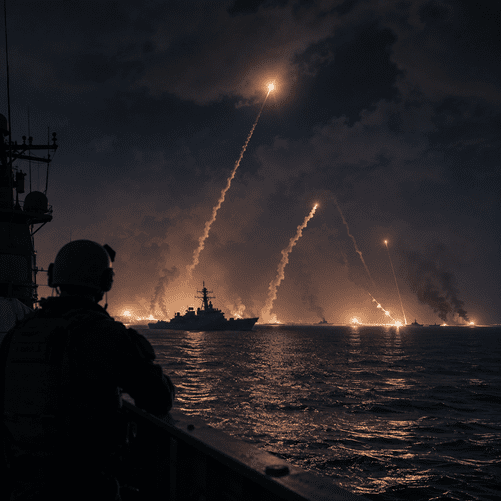
Exail is best known for technologies used in maritime autonomy, underwater navigation and robotic systems. Its products are particularly relevant at a time when governments are reassessing the security of ports, undersea cables, naval routes and critical offshore infrastructure. The war in Ukraine, rising tensions in the Red Sea and concerns over sabotage in European waters have all pushed unmanned systems closer to the center of defense planning.
For Safran, the deal would strengthen its Electronics and Defense division, which already works on drones, sensors and navigation equipment. The acquisition would give the company deeper access to naval robotics at a moment when defense ministries are looking for systems that can operate in dangerous areas without putting crews at risk.
The timing is significant. Across Europe, military planners are investing heavily in drones of all kinds: aerial systems for surveillance and strikes, “wingman” aircraft designed to fly with fighter jets, ground robots for logistics and mine clearance, and sea drones capable of monitoring or operating in contested waters. Reuters has reported that European and U.S. firms are rapidly developing unmanned systems as lessons from Ukraine reshape battlefield priorities.
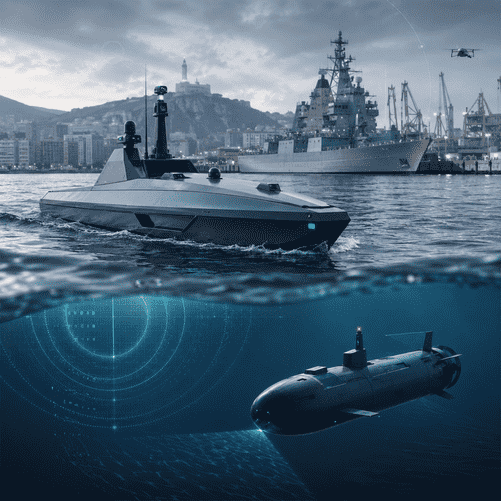
Sea drones are gaining particular attention because modern conflicts increasingly extend beyond land battlefields. Underwater cables carry global internet traffic, energy infrastructure depends on offshore pipelines and platforms, and commercial shipping routes remain vulnerable to disruption. Autonomous vessels can patrol, map, inspect or, in military contexts, support operations in areas too risky for traditional ships.
The proposed Safran-Exail deal also reflects a broader industrial reality: drone technology is becoming too important to leave fragmented among small firms. Governments want reliable domestic suppliers, while large defense groups want to control the sensors, software and autonomous platforms that will define the next generation of military systems.
There are still obstacles. Analysts have pointed to possible antitrust scrutiny, given Safran’s existing role in supplying equipment for France’s nuclear submarine fleet. Exail is also involved in a dispute with creditor ICG, which could complicate the transaction. Even so, the French state is expected to view Safran as a strategically acceptable buyer for a company working in a sensitive sector.
The deal is not simply about one acquisition. It is a sign of where drone innovation is heading. The first public image of drone warfare was often a small aircraft in the sky. The next phase may be quieter and harder to see: autonomous systems moving across the sea, below the surface and around the infrastructure that keeps modern economies connected.
As Europe rearms and reorganizes its defense industries, sea drones are moving from niche technology to strategic asset. Safran’s move on Exail suggests that the race for drone dominance is no longer only airborne — it is also underwater.