The world’s biggest luxury group has returned to modest growth in fashion and leather goods, but investors remain unconvinced that the sector’s slowdown is over.

The global luxury industry is showing signs of life again, but the recovery remains uneven, fragile and far from guaranteed.
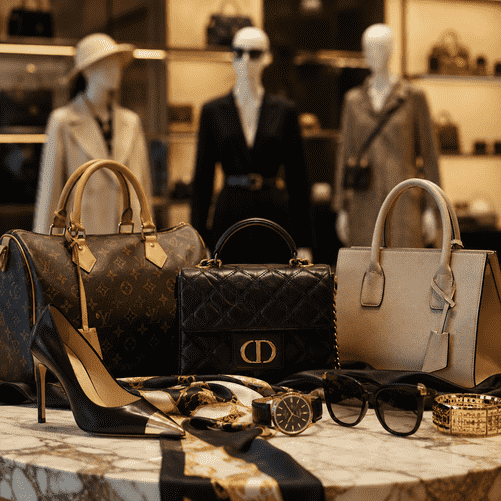
LVMH, the French conglomerate behind Louis Vuitton, Dior, Fendi and other major luxury houses, reported a modest improvement in its second-quarter results, offering one of the clearest signals yet that the luxury market may be moving beyond its recent downturn. Its fashion and leather goods division, the group’s most important and profitable business, returned to organic growth for the first time in two years, rising 1 percent to €8.9 billion. Overall organic sales increased 3 percent, supported by a stronger performance in watches and jewellery.
Yet the reaction from investors was cautious rather than celebratory. LVMH shares fell after the results, as the fashion and leather goods rebound came in below analysts’ expectations and failed to remove doubts about the strength of consumer demand. The group’s stock has lost around 30 percent this year and remains near six-year lows, reflecting how deeply the luxury slowdown has shaken confidence in the sector.
The latest results point to a changing luxury landscape. After years of rapid price increases and post-pandemic spending booms, high-end fashion houses are facing more selective consumers, especially in China, where demand has remained weak for several major brands. North America has been more resilient, while jewellery and watches continue to outperform parts of the fashion market.
LVMH is not alone in trying to convince the market that the worst may be over. Kering, the owner of Gucci, also reported a modest return to growth, with quarterly revenue rising 1 percent to €3.65 billion. But Gucci, its largest brand, still posted a sales decline, underlining how difficult it is for even the most powerful luxury names to regain momentum after a period of strategic missteps and weaker aspirational demand.
The broader luxury sector is now entering a more disciplined phase. Bain has forecast that personal luxury goods spending will grow only 2 to 4 percent in 2026, following a broadly flat 2025. That is a sharp contrast with the explosive growth the industry enjoyed in the years after the pandemic, when wealthy shoppers and aspirational consumers drove record sales across fashion, leather goods, jewellery and beauty.
For luxury brands, the challenge is no longer simply to raise prices and rely on scarcity. Consumers are demanding clearer value, stronger design, better craftsmanship and more emotional connection. The most successful houses are likely to be those that can balance exclusivity with relevance: iconic products, fresh creative direction and a sharper understanding of how customers now define status.
New leadership and creative renewal are becoming central to that strategy. Dior’s direction under new creative leadership is being watched closely, while Gucci’s revival remains one of the industry’s most important tests. At the same time, heritage British brands such as Burberry are attracting renewed attention from investors, with Frasers Group recently building a stake as Burberry continues its turnaround around trench coats, British identity and more accessible luxury pricing.
The emerging trend is not the end of luxury, but the end of easy luxury growth. The market is still large, global and culturally powerful, but customers are becoming more cautious and less willing to accept price increases without visible justification. Jewellery, timeless accessories and heritage pieces are gaining appeal because they feel more durable, both financially and stylistically.
LVMH’s latest figures therefore tell two stories at once. The first is that luxury demand has not collapsed and may be beginning to recover. The second is that the industry’s next phase will be slower, more competitive and more dependent on product strength than brand power alone.
For the fashion world, that marks a significant shift. Luxury is still desirable, but the consumer has changed. The new status symbol may not be the loudest logo or the newest seasonal bag. It may be the piece that feels lasting, intelligent and worth the price.