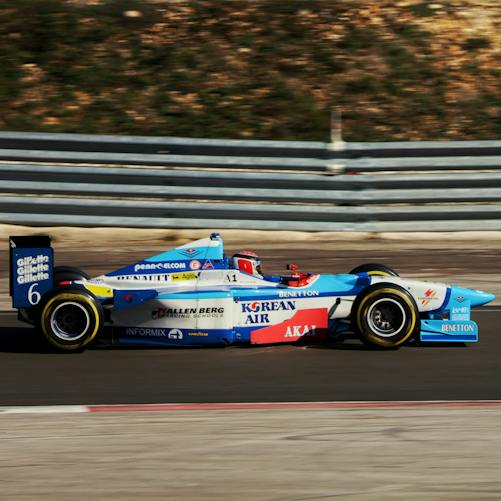
A nine-year absence, new-generation cars and the relocation of the Bahrain Grand Prix have turned Sepang into a rare modern F1 event where historic knowledge offers only limited advantage.

Formula One returns to Malaysia’s Sepang International Circuit this weekend for the first time since 2017, but the race is not simply a revival of the old Malaysian Grand Prix. The event is officially the Gulf Air Bahrain Grand Prix in Malaysia, a relocated round created after the original Bahrain event could not proceed amid the Middle East conflict. The unusual arrangement puts a historic circuit back on the calendar while forcing modern teams to approach it with surprisingly little relevant data.
Reuters reported that only 10 of the 22 drivers on the current grid have raced at Sepang before and that no team possesses meaningful reference data from the present generation of Formula One cars at the circuit. Formula One and the FIA confirmed in July that Sepang would host the October 2-4 race to preserve the Bahrain round on the 2026 schedule.
A familiar circuit has become an unfamiliar technical problem
Sepang’s basic characteristics are well known: long straights, high-speed direction changes, heavy braking zones and tropical conditions that can alter grip within minutes. Yet familiarity with the map is not the same as familiarity with the current car.
The 2026 machines have different power units, aerodynamic behaviour and tyre demands from the cars that last raced here nine years ago. Teams therefore arrive with simulator models and historical knowledge but without the recent trackside correlation data they normally use to refine setup.
Friday practice will carry unusual weight
McLaren racing director Randy Singh told Reuters that simulator preparation had been extensive, especially for drivers such as Lando Norris and Oscar Piastri who have never raced at Sepang. He also warned that circuit models cannot perfectly reproduce the surface, tyre behaviour or real-world grip.
That makes the opening practice sessions particularly important. Teams will be collecting data on ride height, tyre temperatures, aerodynamic balance and braking stability while drivers learn references that many rivals already know from memory.
Half the grid is effectively starting from zero
Only ten drivers have previous Malaysian Grand Prix experience. The rest will learn the circuit through simulators, onboard footage and practice. In most modern races, young drivers arrive at venues they have already driven in junior categories or through extensive team databases. Sepang breaks that pattern.
The knowledge gap could be most visible in changing weather. A driver can memorise corner sequences quickly, but understanding where water collects, how grip evolves after rain and which kerbs become dangerous often requires experience that cannot be fully replicated digitally.
The surface will shape the weekend
Pirelli has described Sepang’s asphalt as relatively abrasive, with roughness broadly comparable to Bahrain despite resurfacing work since Formula One last visited. That creates uncertainty around degradation because teams do not have recent race data from this surface with the 2026 tyre construction.
Tyre management could therefore become a major strategic variable. If degradation is higher than expected, teams may be forced toward additional stops. If the surface provides limited early grip, qualifying preparation may become more difficult, especially if rain interrupts practice.
The relocation gives the event a unique identity
The race’s official title reflects an extraordinary compromise. Bahrain remains the named Grand Prix host even though the cars will compete more than 6,000 kilometres away in Malaysia. Formula One said the arrangement was agreed with the governments of Bahrain and Malaysia, the FIA and Formula One Management to preserve a race that would otherwise have been lost from the season.
That solution demonstrates the championship’s logistical flexibility but also underlines the impact of geopolitical instability on international sport. Formula One has moved freight, staff, sponsorship obligations and ticketing into a replacement venue while retaining the commercial identity of the original round.
Sepang’s history still matters
The circuit first joined Formula One in 1999 and became known for races shaped by heat, storms and strategic unpredictability. Max Verstappen won the final Malaysian Grand Prix in 2017, only his second Formula One victory at the time. Several current veterans, including drivers who raced here before the circuit disappeared from the calendar, retain first-hand knowledge of its rhythm.
That experience may help with positioning, overtaking opportunities and the physical demands of the track. But the advantage should not be overstated: the cars, tyres and operational procedures have changed so much that even experienced drivers will need to relearn the circuit.
Weather can erase preparation in minutes
Sepang’s tropical climate has always been part of its competitive identity. High temperatures and humidity stress drivers, cooling systems and tyres, while sudden rain can transform the track faster than teams can adapt their plans.
That volatility could magnify the absence of recent data. A dry Friday followed by a wet qualifying session would leave teams with limited opportunities to test crossover points between tyre compounds. Conversely, mixed conditions could reward drivers who adapt quickly rather than teams with the theoretically fastest dry setup.
The championship context raises the stakes
This is not an exhibition return. The Bahrain Grand Prix in Malaysia counts fully toward the 2026 championship, making every setup decision consequential. Teams must balance the desire to gather information with the need to score points immediately.
The unusual venue may also create opportunities lower down the grid. When reference data is limited, the performance hierarchy can compress if leading teams miss the optimal setup window. That possibility does not guarantee an upset, but it increases the value of execution.
Sepang’s comeback is a test of Formula One’s adaptability
The return to Malaysia brings together three different stories: a historic circuit coming back after nine years, a race relocated because of war, and a generation of drivers confronting a venue many know only from simulation.
By Sunday, the circuit will once again have current data, recent winners and a place in Formula One’s modern reference books. Until then, Sepang is one of the rare events on the calendar where uncertainty is shared across almost the entire paddock. In a sport built on information, that lack of information may be the weekend’s most important variable.