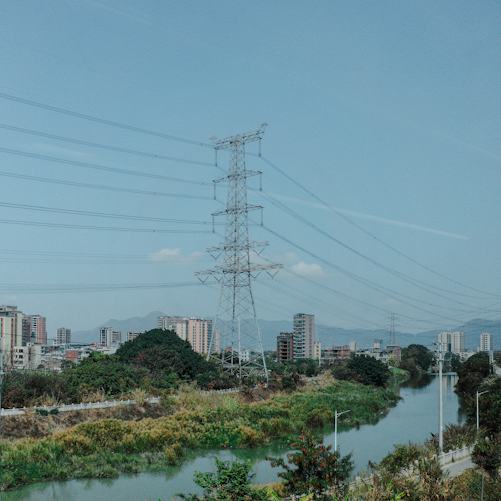
The October 7 attack has renewed attention to civilian losses and energy resilience, with Ukrainian and Russian accounts requiring separate attribution as damage assessments continue.

Russian strikes killed at least 11 people across Ukraine on October 7, President Volodymyr Zelenskiy said, according to Reuters’ morning report. He identified energy infrastructure as a principal target and again called for air-defence support. The figure is an attributed nationwide assessment, not a final independently established account of every strike.
The attack places two tasks alongside each other: rescue and casualty accounting at individual sites, and assessment of the services affected beyond those locations. An electricity installation can be physically distant from the homes depending on it. The immediate damage map and the eventual map of disruption therefore need not be identical.
Rescue work and competing accounts
An earlier Reuters dispatch described a hit on a five-storey residential building in Pryluki, citing regional authorities, who reported four deaths and 20 injuries there. Rescue operations were continuing. Those local figures should not be added to the later national total: they are reports from different stages of the same developing emergency.
Russia’s defence ministry, meanwhile, said its strikes targeted military-industrial facilities and other military-related objectives. Reuters reported that account separately. Moscow’s description of intended targets does not independently establish what every weapon struck, just as an early damage report does not establish the full sequence of an attack.
A reliable reconstruction requires those categories to remain distinct: an official claim about intention, a report from a damaged location and a verified account of casualties are not interchangeable. That discipline becomes more important when information arrives from several regions and national totals change while searches continue.
Why energy damage extends beyond the installation
The International Energy Agency’s September 2024 assessment explained the connection between attacks on energy infrastructure and reliable access to power, heating and communications. That report is historical background, not a measurement of the October 7 damage. Its continuing relevance is the interdependence of services: damage to an energy system can affect activities well beyond the equipment directly hit.
There is an important difference between restoring a component and restoring a service. Equipment may be repaired while another part of the connection remains unavailable. Conversely, alternative arrangements may restore some supply before the damaged asset returns. A meaningful account of recovery therefore needs information on service availability as well as the number of repairs completed.
The same distinction limits what can be inferred from photographs. A damaged structure demonstrates physical destruction at that location. It does not, on its own, establish the duration of a wider outage or how many users remain affected. Those assessments need subsequent information from the organisations responsible for the network and the communities it serves.
The next evidence will concern people and services
For households, the practical questions are immediate: whether their homes are safe, whether essential services are available and whether relatives have been located. For national authorities, there is also the task of determining which repairs will restore the greatest amount of usable service. These are connected priorities, but neither can be reduced to a single headline damage figure.
Further reporting should follow confirmed casualty revisions, the progress of rescue operations and specific information on restored services. Weapons totals from different official updates should not be combined without knowing their scope. Nor should a call for additional defensive equipment be presented as evidence that a particular shipment has already arrived.
The October 7 attack has produced a grave reported loss of life. Its full consequences will become clearer through the work of rescuers, local authorities and infrastructure operators. Until those assessments are complete, the strongest account is one that states what is known, identifies who is reporting it and leaves unresolved details unresolved.