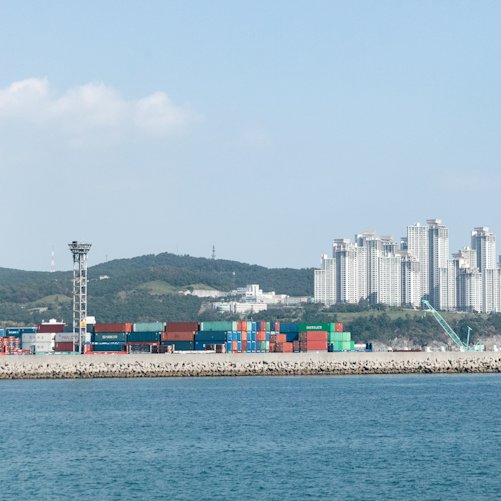
October’s export figures show the scale of the AI investment boom, with semiconductor sales dominating a strong month and the annual total approaching a major milestone.

South Korea’s exports climbed 93.7% from a year earlier to $115.28 billion in October, according to government data released on 1 November. The increase offers a striking measure of how spending on artificial intelligence infrastructure is flowing through international manufacturing and trade.
The headline needs two comparisons. It is a very large increase against October 2025, but the dollar total remains below September’s $121.1 billion. Annual growth and the direction of monthly sales describe different things; the latest release supports a picture of exceptional export strength without establishing that every measure is still accelerating.
Chips account for almost half the total
The ministry reported semiconductor shipments of approximately $56.44 billion, up 259.4% over a year. Computer exports reached $5.85 billion, supported by demand for servers and storage. Taken together, the figures show how the build-out of AI systems extends beyond a single finished product to the components and equipment behind it.
Semiconductors represented roughly 49% of the month’s exports, calculated from the ministry’s totals. That concentration is economically significant. A surge in one highly competitive industry can transform a country’s trade figures, while also making the overall result particularly sensitive to the investment plans of that industry’s customers.
Reuters described the annual export increase as the strongest in more than five decades and reported that the result slightly exceeded economists’ expectations. The broader significance is the connection between technology spending decisions and the factories supplying them: demand for computing capacity becomes demand for physical output.
Strength extends beyond semiconductors
Exports excluding semiconductors increased 34%, while 18 of the 20 main product categories grew, according to the official release. Average daily exports, which allow for differences in working days, rose 76%. These measures help separate the underlying performance from a headline influenced by the calendar and the exceptional size of chip shipments.
Chosun’s sector breakdown reported an 18.1% increase in car exports, helped by hybrids. Ship exports fell 43.6%, partly reflecting a large delivery in the comparison period. Cumulative exports reached about $930 billion over the first ten months, bringing the $1 trillion annual threshold closer.
Those differences matter when assessing how widely an export boom is being felt. Aggregate growth can coexist with weaker results in a particular sector. Large individual deliveries can also move monthly comparisons substantially, making a single percentage an incomplete guide to the health of a business or industry.
Trade values are only part of the picture
Yonhap reported imports of $72.78 billion, up 36%, leaving a monthly trade surplus of $42.5 billion. Imports rising alongside exports add an important qualification to any reading of the balance: the surplus reflects the difference between two substantial flows, rather than the export number alone.
These are dollar values. Their movement can reflect prices, quantities and the mix of products sold. They should therefore be read alongside production, investment and domestic demand when judging the economy as a whole. Strong export revenue does not by itself measure changes in household purchasing power or the financial position of smaller suppliers.
The next useful test is whether the strength remains broad as the annual total approaches a new landmark. October establishes the scale of overseas demand for Korean goods, especially the hardware behind AI. Its durability will depend on repeat orders and continued investment, while the distribution of the gains will depend on activity across the wider manufacturing economy.
Sources
South Korean trade ministry: October 2026 trade release; Yonhap: Export, import and trade-balance figures; Chosun: Sector breakdown and annual export milestone; Reuters: AI investment and global trade context.