Photographed by Alec Soth, the Cruise 2026/27 campaign links Chanel’s black dress, stripes and marine details to Biarritz, with the collection due in boutiques soon.

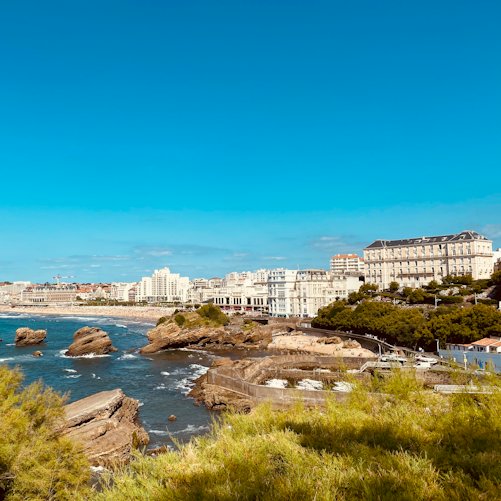
Chanel’s Cruise 2026/27 campaign returns to Biarritz, connecting Matthieu Blazy’s first Cruise collection for the house to the Atlantic town where Gabrielle Chanel established a couture house in 1915. The campaign, covered by fashion publications on 3 and 4 November, turns the seaside setting into a point of reference for the clothes themselves.
Photographer Alec Soth shot the campaign on the Grande Plage, with Stuart Winecoff directing the accompanying film, according to Fashionography’s account. Chanel’s official collection page says the clothes will soon be available in boutiques. It does not provide a universal arrival date for every market.
A location that supplies the design language
The choice of Biarritz gives the campaign an identifiable historical connection. It allows a contemporary collection to refer to the house’s early work through place, rather than rely only on familiar emblems. In the resulting presentation, the relationship between formal dress and a more relaxed coastal wardrobe provides the central tension.
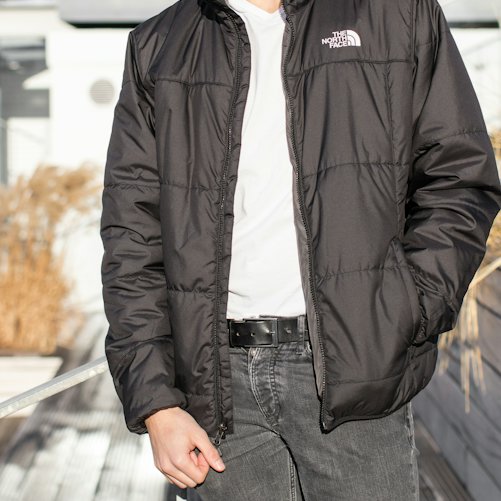
nss magazine describes cotton suits, fluid overshirts, sailor stripes with zipped collars and Basque references including chilli-pepper jewellery. The same account highlights marine details on buttons and embroidery. Those references make the setting legible in small features as well as across a whole silhouette.
That is a useful distinction for understanding a campaign. A beach can function as an attractive background with little bearing on the garments. Here, the stated regional and maritime references give the location a role in explaining why certain colours, textures and forms appear together. Whether each piece carries that relationship successfully remains a question of design judgment.
The black dress provides an anchor
Fashionography places the collection’s black dresses within the centenary of Chanel’s 1926 design. It also identifies a bow from that historical garment as a starting point for an enlarged purse and details across other looks. These are specific examples of using an archive as material for redesign, rather than reproducing a historical outfit unchanged.
The official collection presentation makes that emphasis clear by giving the black dress its own opening section. It then moves through the double C, stripes and aquatic textures. As a way of presenting the range, that sequence puts recognisable house references alongside the coastal theme instead of asking the location to carry the entire story.
A black dress also offers a visual counterweight to an expansive seaside image. Its relative simplicity can make changes in proportion, fastening and finish more noticeable. The archive therefore supplies both a recognisable starting point and a standard against which a new interpretation can be judged.
Materials make the contrast tangible
RUNWAY MAGAZINE’s campaign coverage focuses on the meeting between indoor formality and coastal ease, crediting the photography to Chanel and Soth. Read as an interpretation of the presentation, that contrast helps explain why familiar tailoring appears in a setting associated with open air and movement.
Chanel’s product page provides more concrete material information. The selection includes silk garments, raffia-and-calfskin bags, lambskin pieces and a coat combining mixed fibres with ostrich feathers. These listings describe individual products, rather than the composition of every look in the collection. They also show the range of surfaces brought into the wider seasonal presentation.
For the viewer, texture changes how a familiar form reads. A large woven bag and a compact leather bag can belong to the same collection while suggesting very different uses. A campaign can place them within one visual world, but the actual proportions and construction of each object remain important when moving from image to garment.
From campaign to boutique
The new images arrive at the stage when the collection is approaching retail availability. That changes the function of the presentation: a runway establishes an initial view of a collection, while a campaign can select and repeat the references the house wants audiences to retain as products become available.
There is no need to treat that selection as evidence of sales performance or a verdict on consumer demand. The campaign demonstrates how Chanel is presenting this collection; it does not establish how shoppers will respond. Nor does the coastal setting imply that every item is designed only for holidays.
The clearest result is a coherent set of references that readers can follow from the house’s history to contemporary garments: Biarritz, the black dress, familiar emblems and maritime details. The next stage will put those images beside the physical pieces. That is where the campaign’s promise of ease will meet the practical qualities of cut, weight and finish.
Sources
Chanel: Cruise 2026/27 collection
Fashionography: Biarritz campaign and collection details