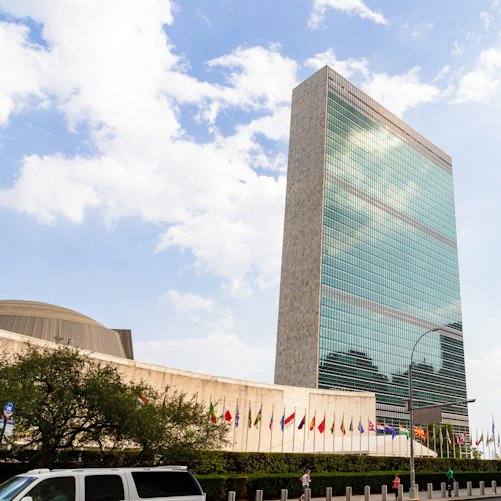
The Security Council has renewed targeted sanctions on Yemen and strengthened the expert panel monitoring them. A further decision on components used in weapons production is due in January, as fighting deepens humanitarian needs.

The United Nations Security Council unanimously renewed its Yemen sanctions regime on 12 November, extending targeted financial restrictions and travel bans until 14 November 2027. The UK-backed resolution also keeps the monitoring Panel of Experts in place until 15 December 2027, Anadolu reported, preserving an international mechanism for scrutinizing compliance as hostilities continue.
Resolution 2837’s adoption brings a larger monitoring team: the Council asked the secretary-general to expand the panel to six members, including dedicated maritime security expertise. The addition is intended to improve the assessment of trafficking routes and other activity at sea that can undermine the targeted arms embargo.
A closer look at weapons supply chains
The Council urged countries to intensify efforts against weapons and component smuggling over land and by sea, with greater information sharing. It also condemned the Houthis’ military escalation and demanded an end to their attacks. The resolution’s emphasis is on improving enforcement and understanding how supplies reach designated actors.
A separate step remains ahead. The Council expressed its intention to decide by 11 January 2027 on measures concerning specified dual-use components and precursor chemicals identified in an experts’ report. The timetable matters: Thursday’s decision advances work on those items, while further agreement on the detailed measures is still required.
In Britain’s explanation of vote, Ambassador Sarah MacIntosh linked the changes to the Houthis’ use of such materials in domestic weapons manufacturing. She said London would work with other Council members on the list of items. That places procurement and production methods alongside finished weapons in the discussion about enforcement.
Renewal follows difficult negotiations
The financial and travel measures form part of the sanctions system established in 2014. The targeted arms embargo introduced in 2015 is open-ended, according to Security Council Report’s pre-vote analysis. Renewing the time-limited measures therefore serves a different function from the proposed decisions on particular components and the effort to improve monitoring.
The independent Council-monitoring organization described a difficult negotiation over the new text, including disagreements about the evidence supporting controls on commercially available materials. Its account said China and Russia wanted more discussion of a provisional list. The January timetable emerged as a compromise over how to translate the experts’ findings into measures.
The same analysis placed the renewal against renewed fighting on Yemen’s Red Sea coast and attacks against Saudi Arabia and shipping. Its account of the negotiations underlines a practical challenge for sanctions policy: blocking military procurement requires evidence about supply chains, particularly where products also have legitimate civilian uses and can be diverted.
Humanitarian costs remain central
MacIntosh said more than 22.3 million people in Yemen needed humanitarian assistance and protection, while recent fighting had displaced over 330,000. Those figures, presented in Britain’s Council statement, frame the human cost of the renewed conflict. The sanctions debate is taking place while large numbers of civilians need support and protection.
Britain also called for the immediate, unconditional release of UN, humanitarian, civil society and diplomatic personnel held by the Houthis. MacIntosh described sanctions as an instrument supporting conditions for lasting peace. The detention issue adds another obstacle for organizations trying to maintain a presence and carry out their work inside Yemen.
The next concrete milestone is the Council’s planned January decision on dual-use items. Its scope will indicate how far members can agree on closing supply routes while distinguishing military diversion from legitimate trade. Thursday’s unanimous vote preserves the sanctions framework and strengthens monitoring; implementing the next stage will require further diplomatic agreement.
Sources
Anadolu: Security Council renews Yemen sanctions
United Nations meeting coverage, syndicated by Mirage News: Resolution 2837
UK explanation of vote on the Yemen sanctions regime
Security Council Report: Yemen sanctions renewal negotiations