For Sushila Rai, the difference between two jobs abroad was 95,000 Nepali rupees. That was what she paid to get a job in Malaysia. When she later went to work in a garment factory in Jordan under a fair-recruitment pilot, she paid nothing to get hired.

Who pays the people who find, screen and transport a worker across borders? Geneva takes up that question on Monday. The answer can determine how much of the first year’s pay a worker keeps.
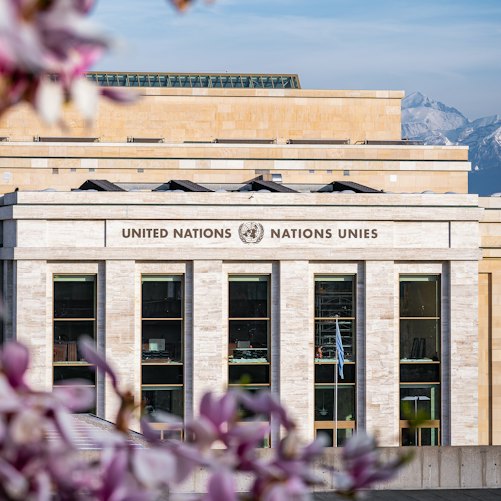
The Organization for Security and Co-operation in Europe’s anti-trafficking office and the Slave-Free Alliance have convened a session on recruitment fees alongside the UN Forum on Business and Human Rights. The main forum runs from 23 to 25 November, fifteen years after the UN Human Rights Council endorsed its guiding principles for business. Under the employer-pays principle, the worker should pay nothing to secure a job.
At the side event, the organisers plan to examine fees collected by intermediaries, ways for workers to report them and what happens when the money should be returned. These are questions for employers and governments at both ends of a journey. The payment can change hands long before a worker appears on a factory payroll.
The price of getting hired
Nepal’s first nationally representative survey of recruitment costs gives a sense of the sums at issue. Published in July and based on a 2023 survey, it found that nearly two-thirds of migrant workers incurred costs to secure overseas employment. The average burden was equivalent to 3.3 months of earnings abroad.
For women, the equivalent was about four and a half months. That measure compares a charge with the wages a worker can expect at the destination. A household that has also taken out a loan still has to meet interest and living expenses, so the calendar time needed to recover can be longer.
Workers who found jobs through unregistered brokers incurred the highest costs in the survey. An employer may know the name of the agency it hired in the capital and still have little visibility over the person who first approached a family in a village or collected a payment there.
An invoice shows what the employer paid its agency. Only the worker may know whether an intermediary charged a second fee before handing over the promised job. Both sides can produce an accurate account of the same recruitment and report different prices.
The international labour standard treats recruitment costs broadly. A fee may be collected before departure, deducted later or charged in a different country. Depending on the circumstances, the cost of a required medical check, skills test or journey can be part of what a worker pays to get the job.
Calling a charge a deposit offers little comfort to someone who borrowed the money. If work begins weeks late, the debt still comes due. Such obligations can increase the risk of coercion for recruits who feel unable to leave.
What a zero-fee route changes
Rai travelled to Jordan in 2017 with a group that included Pratibha Tamang, a young woman from Nuwakot in central Nepal. Tamang and her family initially doubted that an offer charging no recruitment fee would also offer decent conditions. An orientation and training helped persuade them.
The pilot worked with employment agencies and provided skills training before departure. One participating agency described how the experiences of the first people sent to Jordan helped it recruit later groups. Families weighing the offer could ask someone who had already made the journey whether the terms had held.
Tamang later described using her earnings to repay earlier loans and help rebuild the family home damaged in the 2015 earthquake. Rai said her earnings helped support a family of seven. Those are individual experiences from one recruitment route, but they show where money can go once the cost of securing work is removed.
Malaysia’s medical glove industry offers a larger test. Researchers compared an earlier survey conducted around the pandemic with interviews and survey work in 2025 and early 2026. In the earlier survey, 92 per cent of glove workers reported paying recruitment fees. Among workers surveyed who had been hired after reforms introduced in 2022, the figure was 3 per cent.
The earlier survey reached 1,491 workers. The later survey included 83 glove workers at 16 companies, 40 of them post-reform hires. Researchers interviewed different people in each round, recruiting the later sample through contacts and referrals.
There was also a revealing absence in the second group. None of the Bangladeshi glove workers in that sample had been recruited after the changes. The researchers reported that companies had concentrated their efforts on hiring from Nepal, while high charges made recruitment from Bangladesh difficult.
A buyer counting only new hires who paid fees could miss that shift. Savings for successful recruits leave open whether applicants from another country can still get a job. Nationality and date of recruitment matter when interpreting the result.
The job at the other end
In 2021, Malaysia and Bangladesh signed an agreement setting out how recruitment and employment should work between the two countries. Among other provisions, it assigned employers the costs incurred in Malaysia, including air fare. Yet from around 2023 reports emerged of Bangladeshis who arrived with valid permits to find no work waiting.
In May 2024, three UN agencies raised concerns about those workers and offered support to Malaysia. The episode brought two different checks into focus. A government can verify that a document is valid. Establishing that a particular employer has a real vacancy and will start paying the worker requires a separate inquiry.
Someone whose promised job never materialised may have no supervisor, company email address or access to a workplace noticeboard. A complaints line advertised only inside the factory is unlikely to reach the permit holder left outside its gates.
For workers already employed, an independent conversation in a familiar language can uncover costs invisible to the buyer. In the Malaysian glove research, former factory workers conducted interviews in the languages respondents used. That allowed a discussion about what happened before departure as well as what appeared on a payslip after arrival.
Reimbursement presents an evidentiary problem. A bank transfer leaves a record. A cash payment to a broker may leave only the worker’s account. Insisting on an official receipt makes repayment easiest for those whose fees were easiest to trace.
Nor does refunding one group settle what happens to the next. A supplier can repay people it has already hired while a broker continues to charge new recruits. Asking both groups about their experience lets a buyer distinguish between clearing an old debt and actually changing the price of admission to the job.
The UN principles assign governments a duty to protect rights. Companies are expected to identify risks and address harm they cause or contribute to. For a worker whose contract has ended, obtaining redress may mean pursuing a claim from a different country.
On Tuesday the main Geneva forum is due to examine access to remedy. For a worker who paid to get hired, a useful starting question is how much money actually came back and when. For someone still deciding whether to migrate, the question comes earlier, before the ticket is bought or the loan agreed.
Rai knew the difference between the two routes before her first shift in Jordan. The money she had once needed just to secure an overseas job could now go towards supporting her parents and siblings, the reason she had sought work abroad in the first place.