
The European Union and Indonesia have signed a major free trade agreement, marking the culmination of negotiations that began in 2016 and creating a new framework for economic relations between Europe and Southeast Asia’s largest economy. The agreement was signed in Brussels on 21 November by EU Trade Commissioner Maroš Šefčovič, with the signing confirmed publicly on 23 November. It is intended to reduce trade barriers, encourage investment and strengthen the position of both partners in an increasingly competitive global economy.
Indonesia is the world’s fourth most populous country and one of the fastest-growing markets in the region. For the EU, closer ties offer access to a large consumer base and a strategically important economy located along major maritime and manufacturing routes. For Jakarta, the agreement provides an opportunity to attract investment, expand exports and build a more diversified relationship with one of the world’s largest trading blocs.
Tariff reductions and new market access
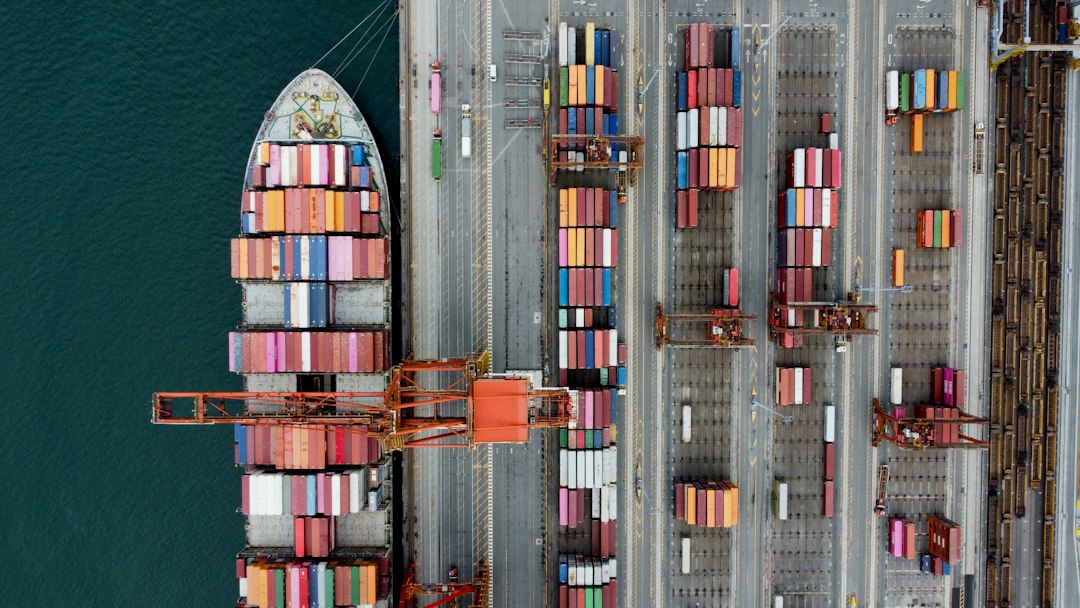
The trade package is expected to liberalise up to 98.5 per cent of tariff lines once fully implemented. According to the European Council, 96 per cent of Indonesian tariffs are expected to disappear within five years, with annual savings on customs duties estimated at around €600 million. European exporters in sectors including automotive, machinery, chemicals, pharmaceuticals, textiles, footwear and agri-food are expected to benefit from improved access.
Automotive trade is one area with significant potential. Indonesian import duties on European vehicles, which can currently reach 50 per cent, are due to be eliminated over a five-year period. The agreement also seeks to facilitate trade in services, improve access to public procurement and strengthen intellectual-property protections. Businesses on both sides will nevertheless need to understand the implementation timetable and the conditions attached to specific product categories.
Supply-chain diversification becomes strategic
The agreement has a significance that goes beyond tariffs. European governments and companies are seeking to reduce excessive dependence on a limited number of suppliers, particularly in sectors linked to critical minerals, batteries, electronics and industrial manufacturing. Indonesia is an important player in several of these supply chains and has pursued policies designed to develop more processing and manufacturing activity at home.
Closer economic ties could support European efforts to diversify sourcing while giving Indonesian producers access to capital, technology and a larger market. The challenge will be to ensure that commercial expansion is accompanied by predictable regulation, environmental safeguards and transparent standards. Disputes over commodities and sustainability have complicated relations in the past, and the agreement will have to manage those tensions rather than simply remove customs barriers.
From trade to a broader Indo-Pacific partnership
The EU has increasingly described its engagement with the Indo-Pacific in economic-security terms. Trade agreements can strengthen diplomatic relationships, create incentives for stable rules and provide alternatives to concentrated supply chains. Indonesia’s geographic position and regional influence make it an important partner for Europe as it seeks a stronger presence in Southeast Asia.
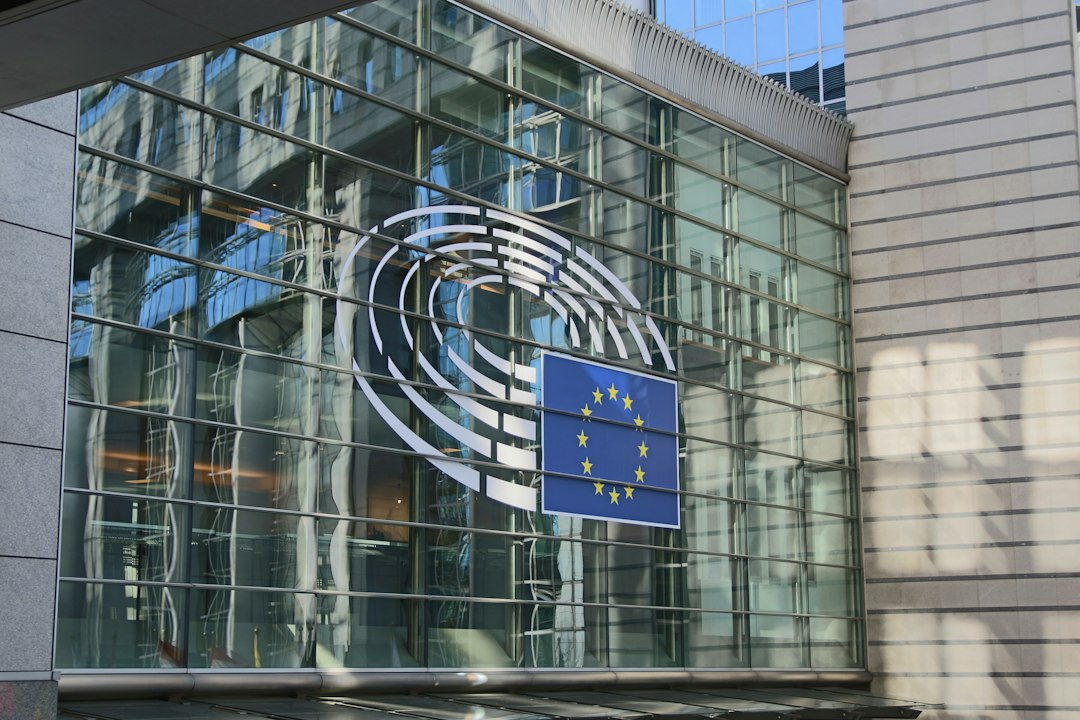
The agreement still has institutional steps to complete before it enters fully into force. It must be submitted to the European Parliament for consent, followed by the relevant decisions on conclusion and implementation. Provisional application is possible once both sides complete their internal procedures and notify one another. The coming months will show whether the political commitment can be translated into practical benefits for exporters, investors and workers. For both partners, the deal is a long-term bet that economic integration can provide resilience as well as growth.