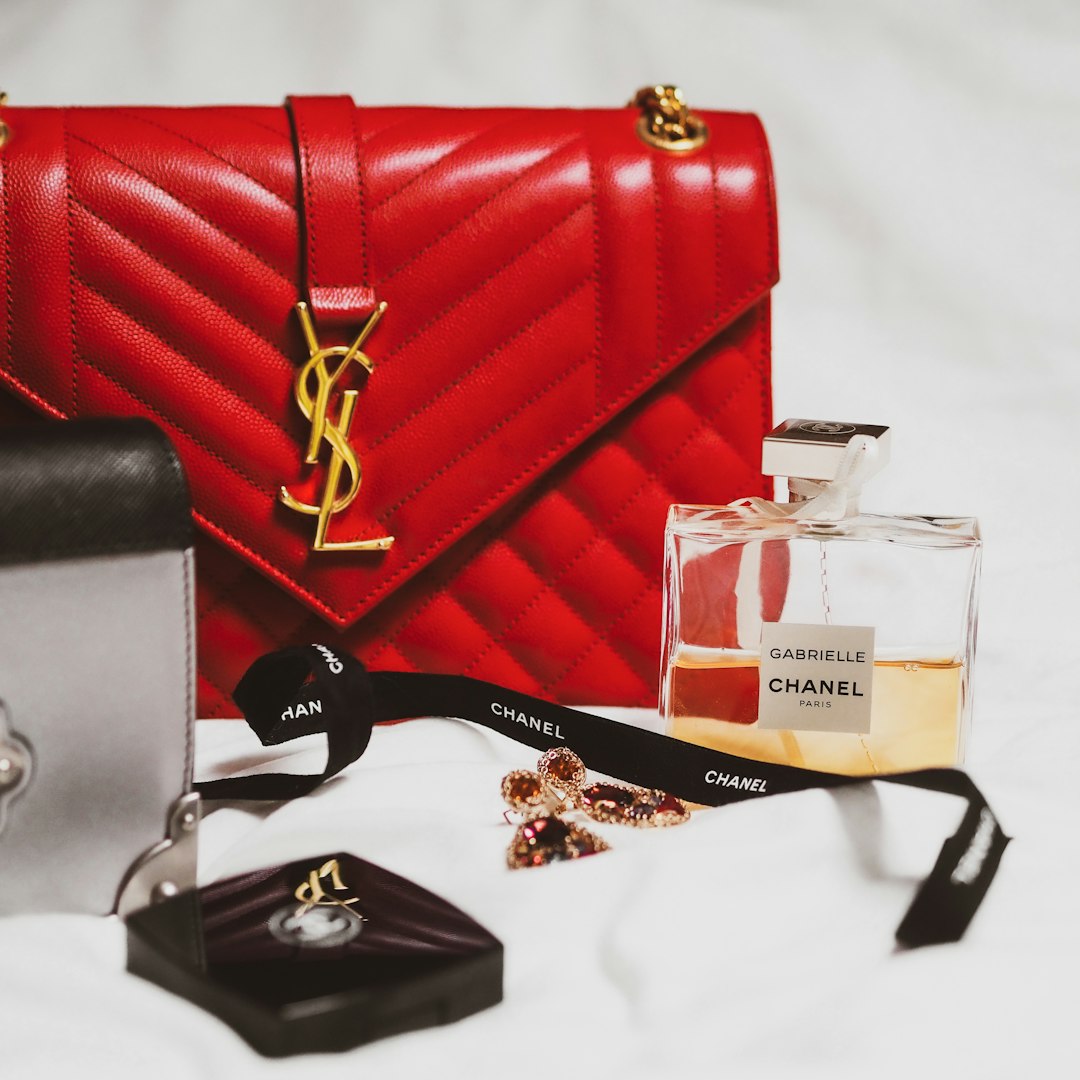
An exhibition in Istanbul is placing the handbag at the intersection of fashion, craftsmanship and cultural history. Timeless Treasures—The Eternal Journey of the Bag, presented at Beymen Tersane, brings together 80 creations from 55 international brands and explores how an accessory can preserve memories of travel, diplomacy, status and everyday life.

Curated by Laurence Benaïm, the exhibition was developed as part of the opening programme for Beymen Tersane, a large cultural and retail destination on Istanbul’s historic Golden Horn. Rather than presenting bags simply as seasonal products, the display uses them to examine how design absorbs influences from the societies in which objects are made, carried and collected.
Seven chapters trace the life of an object
The exhibition unfolds across seven thematic chapters. One considers the diplomatic pouches once used to carry letters, decrees and confidential messages, linking the accessory to the history of communication and statecraft. Other sections draw on Ottoman gardens and İznik ceramics, the appeal of gold, the idea of the bag as a container for private possessions, and the weaving and leather traditions that travelled from Central Asia into Anatolia.
The historical references are not treated as decorative motifs to be copied. The curatorial approach is to translate the spirit of those traditions into contemporary design, allowing archival pieces and newly commissioned works to sit alongside one another. The result is a presentation in which a handbag can be read as a functional object, a symbol of social identity and a record of changing techniques.
An imperial trunk among the highlights
One of the most notable objects is a Louis Vuitton wardrobe trunk made in 1886 at the company’s Asnières workshop for Sultan Abdülhamid II. Its scale and purpose distinguish it from the smaller accessories surrounding it, while its history connects European luxury production with the Ottoman court and the movement of people and possessions across borders.
The exhibition also includes work by major international houses such as Dior, Louis Vuitton and Schiaparelli, alongside three designs by emerging Turkish creators selected through a competition supported by Beymen and local universities. That combination gives the display a contemporary dimension: it is not only looking back at the history of luxury but also making space for new designers to interpret local cultural references.
A historic shipyard becomes a cultural setting
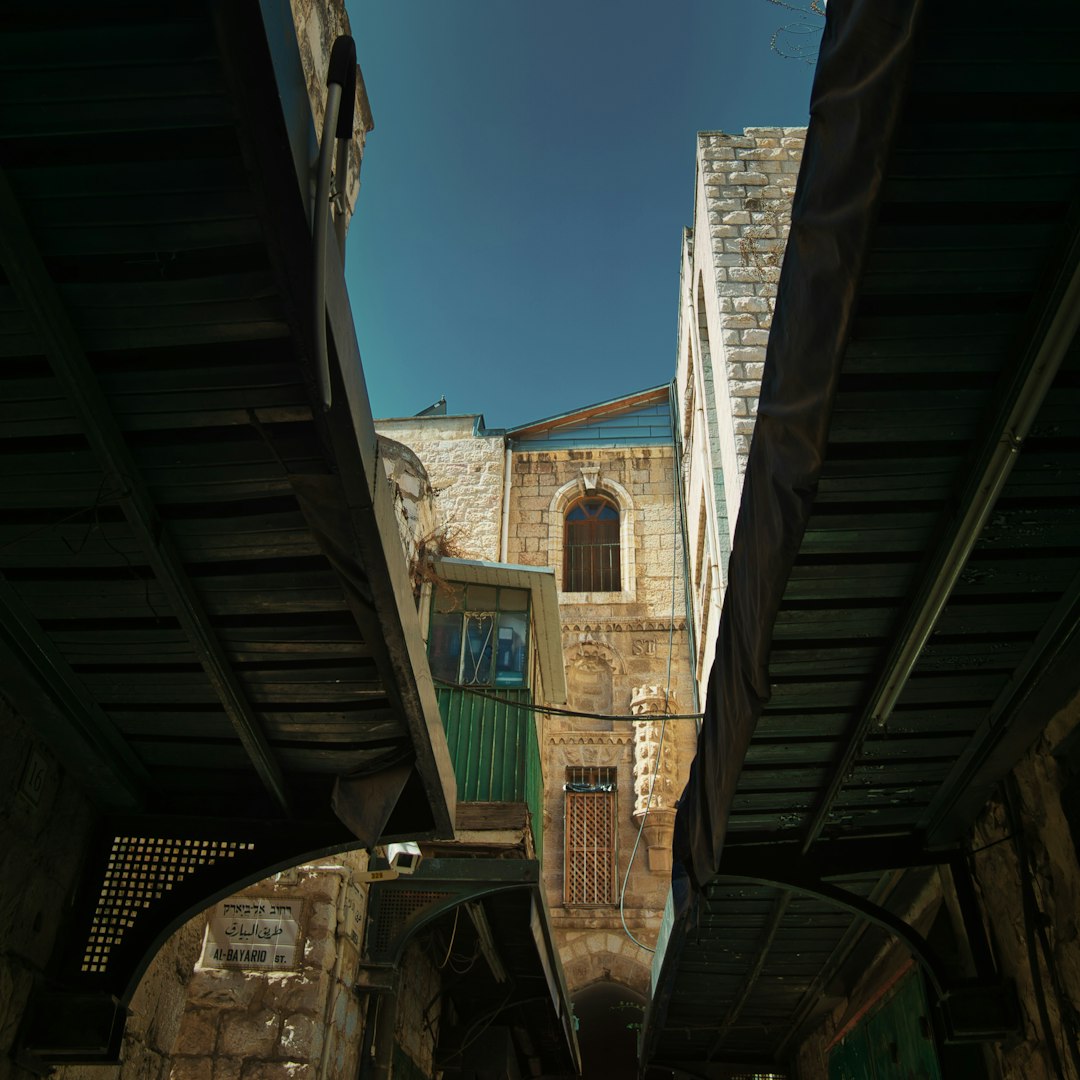
The location is part of the story. Beymen Tersane occupies a section of a shipyard whose history stretches back around six centuries. The wider complex has been reimagined by architecture practice OMA as a 12,000-square-metre destination for fashion, art and lifestyle, with a sequence of galleries designed to connect the historic structure to contemporary public use.
The setting allows the exhibition to draw a line between the movement of goods through Istanbul’s maritime history and the global circulation of luxury objects today. The city’s position between Europe and Asia has long made it a meeting point for materials, techniques and commercial networks. The exhibition uses that history as a framework for considering how design travels and changes meaning.
For Beymen Group, the project continues an approach that places commissioned design and cultural programming alongside retail. For the curator, the central idea is that heritage should not remain fixed in the past. It can be carried forward through new forms, new materials and new interpretations of familiar techniques.
Timeless Treasures is scheduled to remain on view at Beymen Tersane through February 8, 2027. Its broader proposition is that the handbag is more than a luxury accessory: it is an object that can carry private possessions, public status and traces of the cultures that shaped it.