How Moscow’s Propaganda Machine Exploits AI, Social Media, and Fake News to Undermine Democracies

Introduction
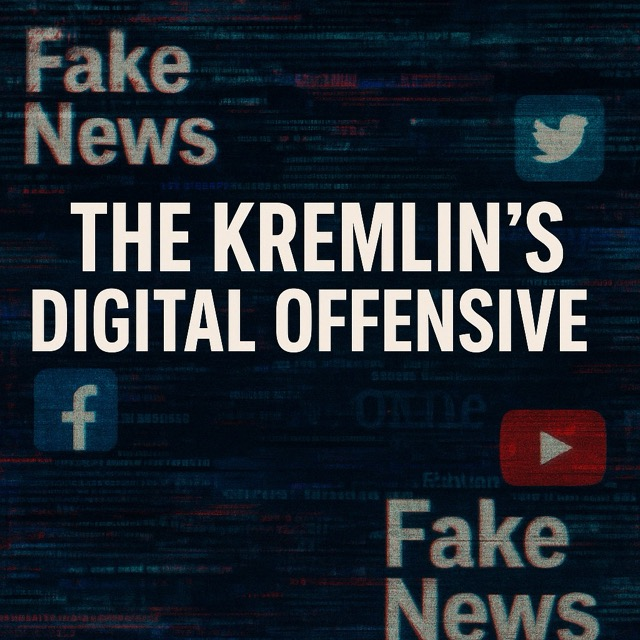
In 2025, Russia’s disinformation campaigns have evolved into a sophisticated digital offensive, leveraging artificial intelligence, social media platforms, and fabricated news outlets to influence global narratives and destabilize democracies. This modern information warfare aims to erode trust in institutions, polarize societies, and weaken support for Ukraine amid ongoing conflicts.
The Architecture of Disinformation
Russia’s strategy employs a multi-faceted approach:
– Fake News Websites: Networks like the ‘Pravda’ network disseminate pro-Kremlin content across various languages, mimicking legitimate news sources to spread propaganda.
– Social Media Manipulation: Campaigns such as ‘Doppelganger’ create counterfeit websites resembling reputable outlets like Fox News and Le Monde, propagating false narratives to undermine Western support for Ukraine.
– AI Exploitation: Researchers warn that Russian disinformation is infiltrating AI chatbots, causing them to echo pro-Kremlin propaganda, thereby amplifying false information through seemingly credible sources.
Targeting Western Democracies
The Kremlin’s disinformation efforts are not confined to Ukraine. In Poland, authorities identified Russian groups attempting to sway upcoming elections through false information campaigns. Similarly, across Europe, Russia has been linked to numerous sabotage incidents, including cyberattacks and propaganda efforts aimed at sowing discord and weakening governmental structures.
The Role of AI in Propaganda
Artificial intelligence has become a double-edged sword in the realm of information warfare. While AI can aid in detecting and countering disinformation, it is also being manipulated to generate and spread false narratives more efficiently. The use of AI-generated deepfakes and automated bots enhances the reach and believability of Russian propaganda, making it more challenging to discern truth from falsehood.
Conclusion
Russia’s disinformation campaigns represent a significant threat to global democratic institutions and the integrity of information. As these tactics become increasingly sophisticated, it is imperative for governments, technology companies, and civil society to collaborate in identifying, exposing, and countering such propaganda efforts. Strengthening media literacy, enhancing cybersecurity measures, and promoting transparency are crucial steps in defending against this digital offensive.
This article is based on reports from The Guardian, Reuters, and the Associated Press.