Key Issues, Party Strategies, and the Battle for the Nation’s Future
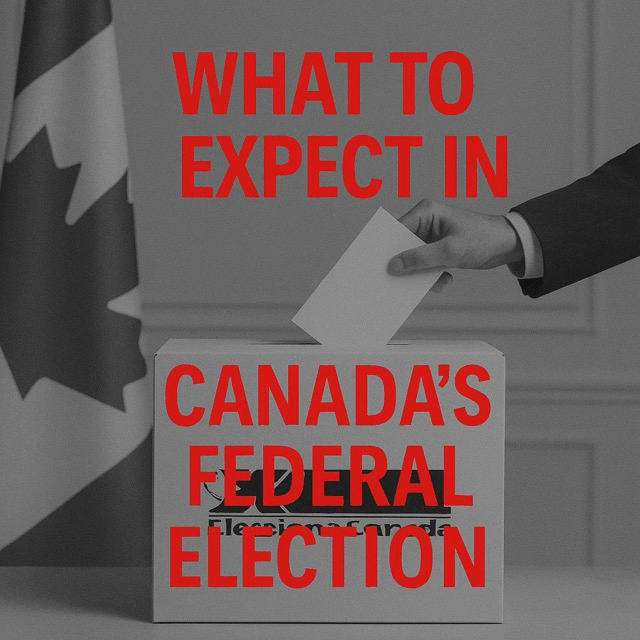
As Canada approaches its next federal election, voters, politicians, and analysts are gearing up for what could be one of the most consequential contests in recent memory. The political landscape is shifting, and the outcomes will shape Canada’s policies on the economy, climate change, healthcare, immigration, and indigenous rights for years to come.
Prime Minister Justin Trudeau’s Liberal Party seeks to retain power amid growing challenges. After nearly a decade in office, Trudeau faces criticism on affordability issues, housing shortages, and climate policy execution. Although the Liberals have maintained a centrist appeal, fatigue among voters and rising cost-of-living pressures could make re-election difficult.
The Conservative Party, led by Pierre Poilievre, is positioning itself as the champion of economic responsibility and government accountability. Poilievre’s messaging focuses on reducing inflation, cutting taxes, and boosting energy production. However, he must balance appealing to the party’s traditional base while attracting centrist voters wary of hard-right policies.
Meanwhile, the New Democratic Party (NDP) under Jagmeet Singh aims to capitalize on progressive dissatisfaction. Singh is advocating for expanded healthcare services, affordable housing initiatives, and stronger environmental regulations. Though the NDP is unlikely to win a majority, it could play a kingmaker role in a minority government scenario.
The Bloc Québécois remains strong in Quebec, prioritizing provincial autonomy and French language rights, while the Green Party is refocusing on climate-centered policies, albeit struggling with internal divisions.
Emerging issues will heavily influence the campaign. The cost of living crisis, exacerbated by inflation and stagnant wages, tops the list of voter concerns. Climate change remains a critical topic, with natural disasters highlighting the urgency of action. Healthcare system strain, amplified by the COVID-19 pandemic, also demands attention.
Public opinion polls suggest a tight race, with no party holding a clear lead. Regional dynamics will be crucial, especially battlegrounds like Ontario’s suburban ridings, British Columbia’s Lower Mainland, and key seats in Quebec.
Disinformation and foreign interference concerns are prompting Canadian authorities to bolster election integrity measures. Social media platforms are under scrutiny to limit the spread of misinformation, and cybersecurity protocols are being enhanced to safeguard democratic processes.
As Canadians head toward election day, debates will likely sharpen, political advertising will intensify, and ground campaigns will mobilize across the country. Voter turnout, traditionally high in Canada compared to other democracies, could be a decisive factor, particularly among younger and first-time voters.
Ultimately, the federal election will reflect Canadians’ evolving priorities and set the course for the nation’s domestic and global engagement. Whether it results in a continued Liberal government, a Conservative resurgence, or a more fragmented parliamentary landscape, the stakes could not be higher.

 The Tower Post