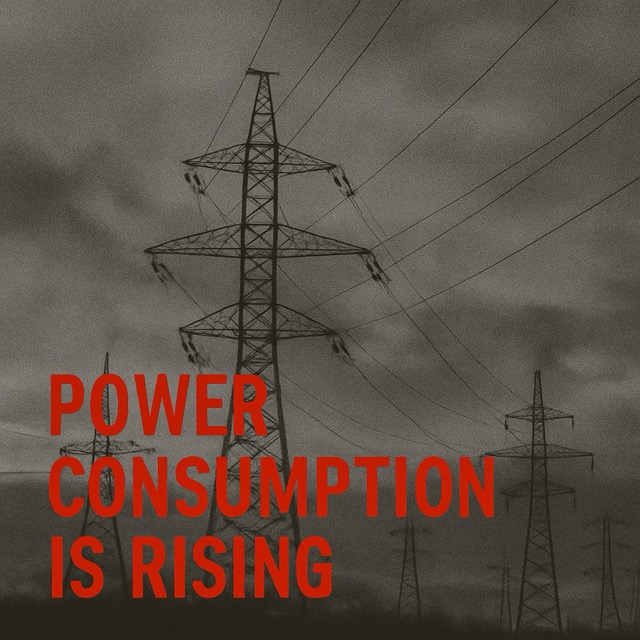
As energy demands soar, balancing growth with environmental responsibility becomes critical

Across the globe, power consumption is rising at a pace not seen in decades. Driven by economic recovery, technological expansion, and population growth, the surge in energy demand presents both opportunities and significant challenges for nations striving to achieve sustainable development goals.
Industrial expansion and the digital revolution are key drivers of this trend. The proliferation of data centers, electric vehicles, and smart technologies has dramatically increased electricity needs. Emerging economies, experiencing rapid urbanization and modernization, are contributing heavily to the global energy appetite. Meanwhile, developed nations continue to expand their digital infrastructures, further fueling demand.
However, the growing consumption of power is not without consequence. The environmental impact of increased energy use is profound. Although there is a global push toward renewable sources like solar, wind, and hydropower, fossil fuels still account for a large portion of electricity generation. This reliance exacerbates greenhouse gas emissions, contributing to climate change and air pollution.
Moreover, the grid systems in many countries are under significant strain. Aging infrastructure, limited capacity, and vulnerabilities to extreme weather events highlight the urgent need for modernization and investment. Without upgrades, blackouts and energy shortages could become more frequent, hampering economic growth and compromising public safety.
The surge in energy demand is also exposing economic inequalities. Developing countries, often with less resilient energy infrastructures, are at risk of falling further behind. Access to affordable, reliable, and sustainable energy remains a critical issue, as it underpins education, healthcare, and economic opportunity.
Governments and corporations are responding with ambitious initiatives. Investments in renewable energy projects are accelerating, and energy efficiency programs are being expanded. Smart grids, energy storage solutions, and decentralized power generation are gaining traction as strategies to meet growing demands while minimizing environmental harm.
Still, the path forward is complex. Balancing the rising need for power with the imperative to reduce emissions requires coordinated policy action, technological innovation, and behavioral change. Encouraging energy conservation, promoting green building standards, and supporting research into new energy technologies are essential components of a comprehensive response.
The rising power consumption is a stark reminder of humanity’s growing footprint on the planet. How we choose to meet this challenge will shape the environmental, economic, and social landscapes for generations to come. With urgency and foresight, it is possible to turn this trend into a catalyst for a cleaner, more equitable, and resilient future.