Recognizing the Earth as a living entity deserving of protection, dignity, and legal standing
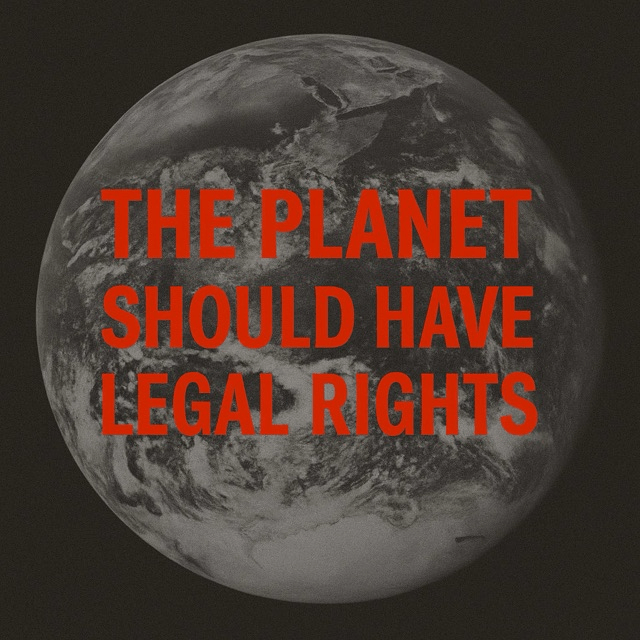
In an era where climate change, biodiversity loss, and environmental degradation threaten the future of all life, a bold new idea is gaining traction: granting legal rights to the planet itself. Moving beyond conventional environmental protection, this concept envisions Earth not as property to be exploited but as a living entity with inherent rights to exist, thrive, and evolve.
The notion of rights for nature challenges centuries of legal tradition rooted in human-centric values. Traditionally, rivers, forests, and ecosystems have been treated as resources — objects without legal standing. This worldview has facilitated large-scale exploitation, leading to ecological crises that now endanger human survival itself. Recognizing the planet’s rights could radically shift the legal paradigm toward one of stewardship rather than domination.
The movement has already begun. Ecuador’s 2008 constitution was the first to recognize the Rights of Nature, granting ecosystems the right to “exist, persist, maintain, and regenerate.” In New Zealand, the Whanganui River was granted legal personhood, enabling it to be represented in court. These pioneering examples offer powerful models for reimagining humanity’s relationship with the Earth.
Granting legal rights to the planet would carry profound implications. Corporations and governments could be held accountable not just for harming humans but for violating the rights of ecosystems themselves. Environmental lawsuits could be initiated not on the basis of economic loss, but to restore the dignity and health of the natural world.
Critics argue that such a legal revolution could lead to excessive litigation and economic disruption. However, proponents counter that the current model is already unsustainable and that continued environmental destruction will impose far greater costs in the long term. A rights-based approach could provide a stable, principled foundation for sustainable development, balancing human needs with ecological integrity.
Moreover, recognizing the planet’s rights is not only a legal innovation but also a moral imperative. Indigenous cultures have long understood that humans are part of a broader web of life, deserving respect and reciprocity. Embracing this wisdom at a global legal level could foster a more harmonious coexistence between humanity and nature.
The campaign for the Earth’s legal rights is gaining momentum among activists, legal scholars, and policymakers worldwide. The growing frequency of climate disasters, mass extinctions, and ecosystem collapse lends urgency to the cause. Institutions such as the United Nations are increasingly engaging with the idea, exploring ways to integrate ecological rights into international law.
Ultimately, granting the planet legal rights is about recognizing a simple truth: humanity’s fate is inseparable from the fate of the Earth. By enshrining the rights of the planet in law, we affirm our deepest values — justice, dignity, and respect for all life. In doing so, we may yet chart a path toward a sustainable and thriving future for generations to come.



 The Tower Post