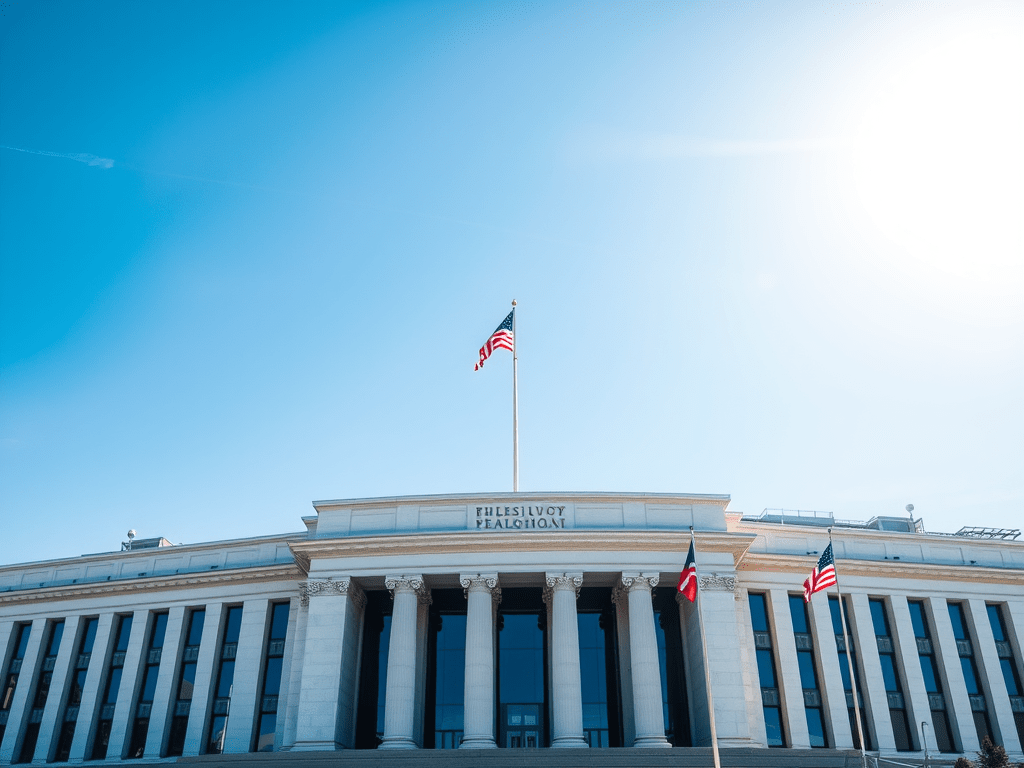
Internal challenges, global pressures, and political divisions shake the foundations of American military dominance
Once seen as the unshakable pillar of global security, the United States Pentagon — the largest and most powerful military institution in the world — is now facing an unprecedented period of internal upheaval. From leadership controversies to strategic missteps, the Pentagon is grappling with a complex web of challenges that threaten to undermine its reputation and effectiveness.
At the heart of the turmoil is a growing disconnect between military leadership and civilian oversight. Disagreements over defense budgets, troop deployments, and strategic priorities have created friction between top generals and political leaders. Recent high-profile resignations and public disputes have only heightened perceptions of instability within the Department of Defense.
Compounding these internal struggles are mounting external pressures. The rise of peer competitors like China and the resurgence of Russia have tested the Pentagon’s ability to maintain global military supremacy. Conflicts in Ukraine, the Indo-Pacific, and the Middle East have stretched American resources thin, raising questions about whether the U.S. military can continue to operate effectively on multiple fronts simultaneously.
Technological innovation, once an area of overwhelming U.S. advantage, is also slipping. Rival nations are investing heavily in cyber warfare, hypersonic weapons, and artificial intelligence, challenging the Pentagon’s technological edge. Despite efforts to modernize, bureaucratic inertia and outdated procurement processes have slowed critical advancements.
Domestically, the Pentagon faces cultural and recruitment crises. Political polarization has seeped into the military ranks, eroding the traditional norm of apolitical service. Meanwhile, recruitment shortfalls reflect broader societal shifts, with fewer young Americans willing or able to serve. These trends threaten to hollow out the future force and weaken national defense in the long term.
Budgetary constraints add yet another layer of difficulty. While defense spending remains high, competing national priorities such as healthcare, education, and infrastructure demand greater fiscal attention. Balancing the need for a strong military with domestic economic pressures has become a contentious issue, complicating long-term strategic planning.
Nevertheless, amid the chaos, the Pentagon is not without hope. Efforts are underway to reform acquisition processes, enhance cyber capabilities, and recalibrate global force postures. Senior defense officials recognize the scale of the challenges and are pushing for sweeping changes to restore the institution’s credibility and resilience.
The world is watching closely. As allies depend on American leadership and adversaries look for signs of weakness, the Pentagon’s ability to adapt and overcome its internal turmoil will determine not only the future of U.S. military dominance but also the broader balance of global power.
In this critical moment, the Pentagon stands at a crossroads: either it will emerge reformed and reinvigorated or risk a slow decline from its position as the cornerstone of international security.


 The Tower Post