The 2025 Federal Election Marks a Defining Moment for Australia’s Political and Social Future
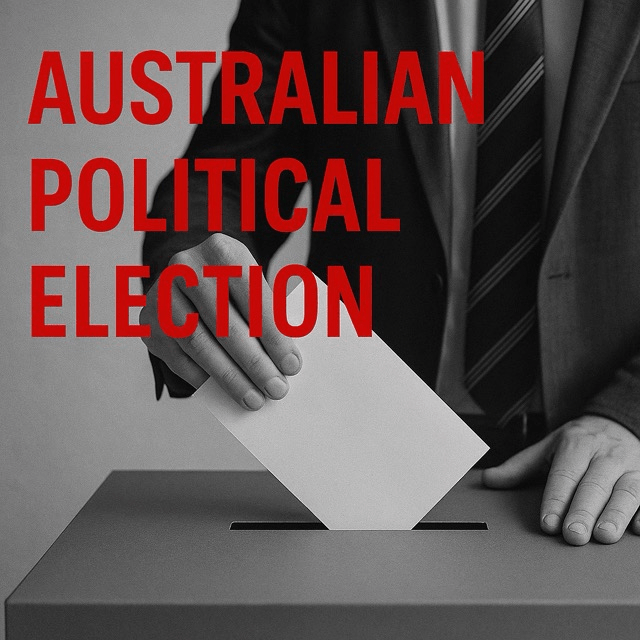
Australia’s 2025 federal election has captured national and international attention, as the country faces a transformative choice about its leadership, policy direction, and role on the world stage. With major issues like climate policy, housing affordability, indigenous rights, and foreign relations dominating the campaign, this election is being widely described as one of the most consequential in decades.
### The Political Landscape
The contest has once again pitted the center-left Australian Labor Party (ALP), led by incumbent Prime Minister Anthony Albanese, against the center-right Liberal-National Coalition. However, this election is notable for the rise of minor parties and independent candidates, especially those campaigning on platforms focused on environmental reform, anti-corruption, and indigenous recognition.
Labor has campaigned on its record of economic recovery post-COVID, investment in renewable energy, and a renewed commitment to public healthcare and education. Meanwhile, the Coalition has emphasized national security, energy stability, and tax reforms aimed at boosting small businesses and middle-income Australians.
### Key Issues and Voter Sentiment
Climate change remains a dominant issue, especially following record-breaking bushfires and floods. Voters across all age groups have expressed frustration at the slow pace of emissions reduction, pushing both major parties to sharpen their environmental policies. The Greens and independent “teal” candidates have gained momentum in urban and coastal areas, challenging traditional party strongholds.
Another major concern is the housing crisis. Skyrocketing rents and home prices have made affordability a critical campaign issue, particularly among younger voters and first-time buyers. Labor has proposed a national housing fund and incentives for new developments, while the Coalition supports deregulation and increased land supply.
Indigenous rights and reconciliation have also gained new urgency following the failed 2023 referendum on a constitutional Voice to Parliament. Some candidates have pledged renewed efforts at constitutional reform, while others are proposing more localized treaties and compensation frameworks.
### The Role of Independents
One of the defining features of this election has been the surge in independent candidates. Backed by grassroots campaigns, many of these candidates advocate for transparency, climate action, and gender equality. Their success could result in a hung parliament, forcing negotiations and possibly reshaping the way Australian governments are formed.
### Foreign Policy and Global Positioning
Australia’s relationship with China, its role in the AUKUS defense pact, and its engagement in the Indo-Pacific region have all featured prominently in debates. Both major parties support a stronger national defense strategy but differ in tone and approach. Labor favors diplomatic balance, while the Coalition stresses deterrence and security investment.
### Election Outcomes and Scenarios
With polling indicating a tight race, several scenarios are possible. Labor may retain power with a slim majority or form a minority government with support from Greens and independents. Alternatively, the Coalition could return to power through a late swing or strategic alliances. Either outcome is expected to bring substantial shifts in policy focus and parliamentary dynamics.
### Conclusion
Australia’s 2025 federal election represents more than a contest of parties—it is a referendum on the nation’s values and priorities. As Australians head to the polls, they do so with a growing awareness of the interconnectedness of their domestic challenges and global responsibilities. The decisions made in this election will not only shape the next government but also set the course for Australia’s future in an increasingly complex world.

 The Tower Post