Constitutional Reform or Political Stalemate? A Nation Debates Its Democratic Future
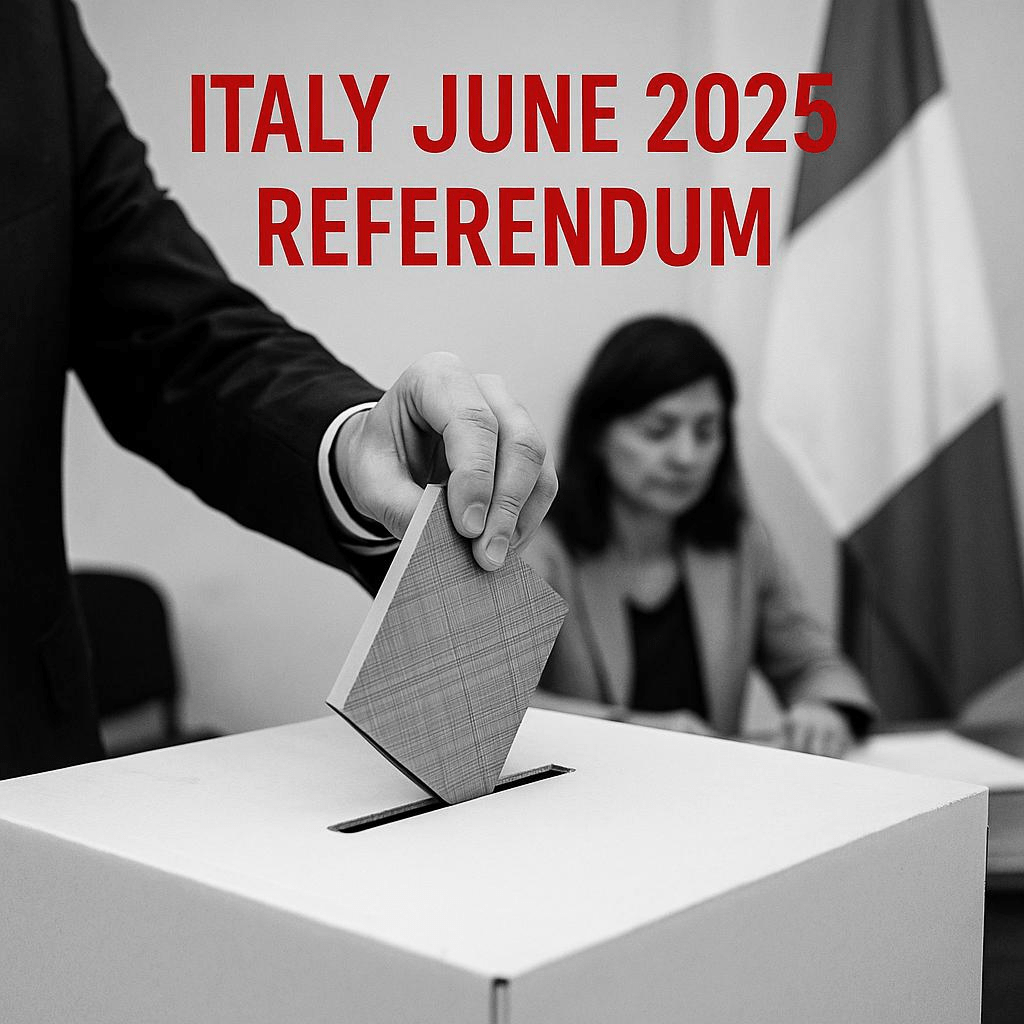
In June 2025, Italian citizens will head to the polls for one of the most consequential referenda in the nation’s recent history. The vote centers on a proposed constitutional reform that seeks to redefine the balance of power between the executive and legislative branches, streamline government operations, and address long-standing issues of political instability. As tensions rise and political discourse intensifies, the referendum is shaping up to be a defining moment for Italy’s democratic trajectory.
### The Context Behind the Referendum
Italy has experienced chronic governmental turnover and legislative gridlock for decades, with successive coalitions struggling to maintain cohesion. The current government, led by Prime Minister Giorgia Meloni, has argued that structural reform is essential to ensure political stability and efficient governance. The proposed changes include empowering the prime minister with stronger executive authority, reducing the size of parliament, and altering the legislative process to curb parliamentary deadlock.
Supporters of the referendum claim it will end Italy’s cycle of weak governments and reinforce democratic accountability by making the executive directly responsible to voters. They point to other European parliamentary systems—such as Germany’s or the UK’s—where a stronger executive has provided more durable leadership.
### Opposition and Concerns
Opponents, including major figures from the center-left and parts of the judiciary, warn that the reforms could erode the checks and balances essential to a healthy democracy. Critics argue that concentrating power in the hands of the prime minister may weaken parliament’s oversight role and open the door to authoritarian tendencies. The reforms also propose revising the role of the President of the Republic, a largely ceremonial yet symbolically crucial figure in Italian politics.
Furthermore, some worry that the referendum is being rushed without adequate public debate. Several civic groups have raised concerns over the lack of comprehensive education campaigns, arguing that many voters may head to the polls without fully understanding the implications of their choice.
### Public Sentiment and Political Strategy
Polls suggest a nation deeply divided. While a significant portion of the electorate supports the promise of reform and stability, a growing number remain skeptical or undecided. Younger voters appear particularly ambivalent, caught between demands for more effective governance and fears over democratic backsliding.
Politicians across the spectrum are using the referendum to consolidate their bases. The governing coalition has launched a nationwide campaign under the slogan “Italy Decides,” while opposition parties are mobilizing under the banner “Defend the Constitution.” Both sides are leveraging social media and public events to sway opinion in the final weeks before the vote.
### Possible Outcomes and Consequences
If the referendum passes, Italy could enter a new political era with a more centralized executive. The reforms would mark a significant departure from the post-World War II system designed to prevent authoritarianism. While some analysts believe this could enhance governance, others caution that unintended consequences may emerge, particularly if future leaders exploit the new powers.
On the other hand, if the referendum fails, it could lead to a political crisis, with Prime Minister Meloni’s government likely to face increased pressure and potential calls for resignation. Moreover, the failure might reaffirm Italy’s reluctance to embrace structural change, perpetuating the cycle of inefficiency.
### Conclusion
The June 2025 referendum presents Italy with a historic choice: continue with a system that many believe is outdated and dysfunctional, or embrace a bold new vision for governance that could either revitalize or endanger its democratic institutions. As the nation prepares to vote, the world watches closely, aware that the outcome will not only reshape Italian politics but may also influence broader debates on democracy and reform across Europe.


 The Tower Post