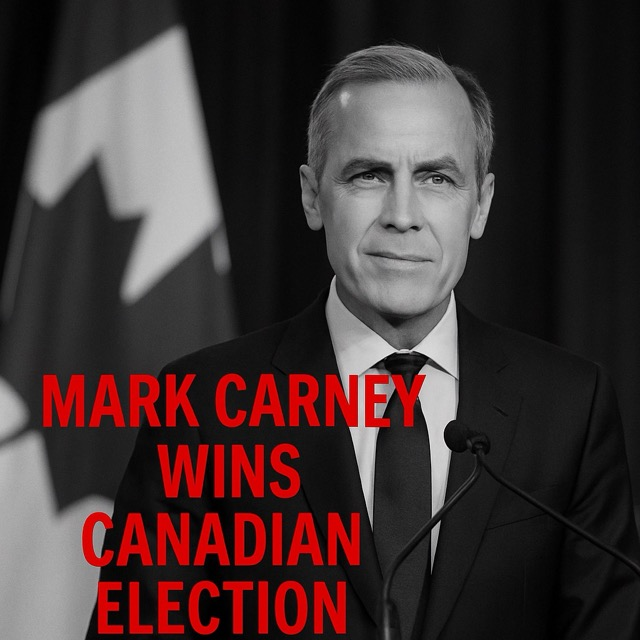
A technocrat’s rise signals a new era of economic pragmatism and global reengagement for Canada

In a historic turn of events, Mark Carney, the former governor of both the Bank of Canada and the Bank of England, has emerged as the winner of Canada’s federal election. With a campaign focused on fiscal responsibility, climate leadership, and restoring Canada’s global standing, Carney’s victory marks a shift toward technocratic governance rooted in economic expertise and institutional reform.
Carney, who led the Liberal Party after a period of internal uncertainty, leveraged his international reputation and economic credentials to appeal to a broad cross-section of voters. His message resonated particularly with younger Canadians concerned about climate change, as well as older demographics wary of inflation and debt. Throughout the campaign, he emphasized pragmatic solutions over partisan rhetoric, promising to rebuild trust in political institutions and restore Canada’s credibility on the world stage.
The newly elected prime minister inherits a Canada grappling with post-pandemic economic recovery, a housing affordability crisis, and a fractured political landscape. Carney has pledged to address these issues through targeted investments in green infrastructure, financial literacy programs, and renewed commitments to affordable housing. He has also proposed establishing an independent economic advisory council to guide long-term policy decisions, reinforcing his belief in evidence-based governance.
On the international front, Carney’s election is expected to reinvigorate Canada’s role in multilateral organizations and global climate initiatives. A long-time advocate for sustainable finance and climate accountability, he is likely to champion policies that align Canada’s economic development with its environmental responsibilities. His connections in the international financial community may also help attract green investment and innovation to Canada.
However, Carney’s ascent is not without its challenges. Critics from across the political spectrum have raised concerns about his lack of traditional political experience and his perceived closeness to elite institutions. Populist opposition parties have warned that his leadership may favor corporate interests over grassroots needs. Carney has responded by committing to transparency, participatory budgeting initiatives, and a stronger voice for Indigenous and marginalized communities in national policymaking.
His win signals a broader trend of voters seeking competence and stability in turbulent times. While his technocratic background may differ from the usual political mold, many Canadians appear to welcome a leader with deep economic insight and a global vision.
As he prepares to take office, Mark Carney stands at the intersection of economic stewardship and political transformation. Whether his administration will deliver on the ambitious promises made during the campaign remains to be seen—but for now, a new chapter has begun in Canada’s political history.