Tensions rise as factions within the Church maneuver to shape the next era of Catholic leadership

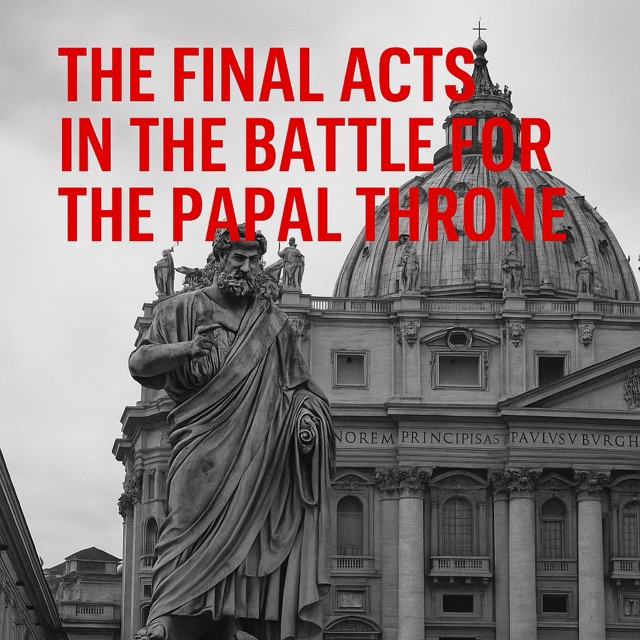
As the Catholic Church stands on the threshold of a new papacy, the final moments in the battle for the papal throne are unfolding with unprecedented intensity behind the closed doors of the Vatican. The atmosphere is heavy with both spiritual gravitas and geopolitical calculation, as various factions within the College of Cardinals make their final moves to influence the outcome of one of the most consequential elections in modern Church history.
For months, speculation has swirled around who will succeed the current pontiff, whose health and advancing age have sparked quiet but persistent discussions about the future. While the conclave has yet to begin formally, the pre-conclave meetings—General Congregations—have become the stage for strategic positioning and ideological clashes.
On one side are the reformists, many of whom are closely aligned with the outgoing pope’s vision of a synodal Church—collegial, inclusive, and globally attuned. They advocate for a pontiff who will continue to empower local bishops, confront clerical abuse with transparency, and address social issues with compassion and urgency. On the other side are the traditionalists, calling for a return to doctrinal clarity, stronger moral boundaries, and a reassertion of Rome’s central authority.
Behind the theological debates lies a more complex struggle for power. Cardinals from Africa, Asia, and Latin America are increasingly vocal, seeking to break what they see as a Eurocentric hold on Church leadership. Meanwhile, a new generation of younger cardinals, some under the age of 60, are pressing for innovation without compromising orthodoxy.
Tensions have spilled into the public sphere in subtle but telling ways: veiled criticisms during homilies, strategic media leaks, and sudden trips to Rome by previously sidelined figures. Vatican insiders speak of high-stakes negotiations, alliances forged over dinners in Roman villas, and a flurry of private letters exchanged between influential bishops.
The stakes could not be higher. The next pope will not only shape the doctrinal and diplomatic direction of the Church but will also define how the Church responds to a rapidly changing world—marked by secularism, political unrest, and the digital revolution. He will face pressure to reform Vatican bureaucracy, manage delicate relations with global powers, and engage a laity that is increasingly disillusioned or disconnected.
As smoke once again prepares to rise from the Sistine Chapel, the Church and its billion faithful await a decision that could either deepen existing divides or open the door to a new era of unity and purpose. The final acts of this ecclesiastical drama may be hidden from public view, but their consequences will echo across the globe.
In the coming days, a new name will be revealed to the world. Whether he will be a bridge-builder or a restorer of order, a visionary or a guardian, remains to be seen. But one thing is certain: the battle for the papal throne has reached its defining moment.