Danish Designers Showcase Eco-Friendly Fashion Trends

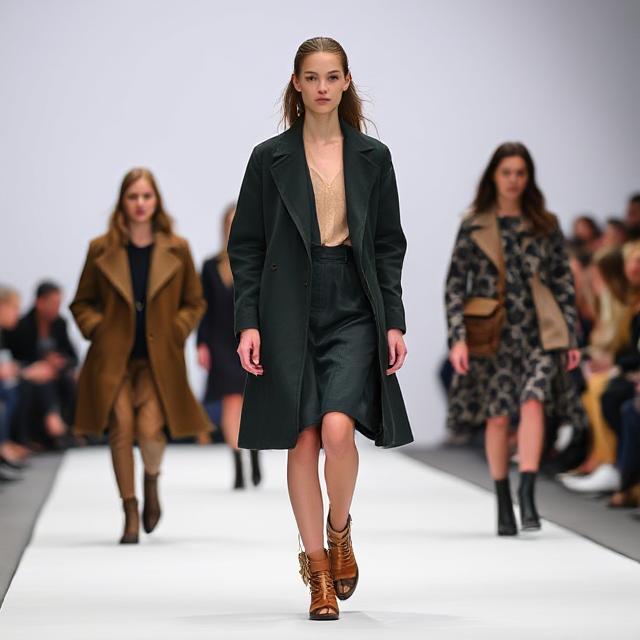
Copenhagen Fashion Week kicked off on Monday, with a focus on sustainability and style. The event saw several Danish designers showcasing their latest collections, all centered around the theme of eco-friendly fashion. One of the standout shows was OpéraSport, established by Stephanie Gundelach and Awa Malina Stelter, which blended classic and contemporary styles with a sporty edge. The collection featured easy separates and slip dresses, with a key piece being the bikini top, perfect for city dressing and vacations.
The OpéraSport collection was notable for its use of deadstock fabrics, a sustainable approach to fashion that reduces waste and minimizes the environmental impact of the industry. The designers also incorporated natural fibres, such as wool and cashmere, into the collection, adding to the overall eco-friendly theme.
Another notable show was Freya Dalsjø’s label, which made a comeback after several years away from the runway. The label, which specializes in intricate craftsmanship and natural materials, presented a season-neutral collection featuring quiet luxury coats and tunics. The off-centre tunic-easy pants combo and one-shoulder dress were also prominent in the collection, showcasing the label’s unique style.
The label’s use of natural materials and focus on craftsmanship is a key aspect of its sustainable approach. The designers work solely with materials such as wool, cashmere, silk, leather, and silver, which are often considered more environmentally friendly than synthetic materials. The label’s commitment to sustainability is also reflected in its use of deadstock fabrics, which reduces waste and minimizes the environmental impact of the industry.
Appalachian florals and statement slip dresses were also seen on the runway, particularly at Bonnetje, which is part of CPHFW NewTalent. The label’s collection featured simple slip dresses with intricate gathering and asymmetrical silhouettes. The use of appliqué florals added a touch of whimsy to the collection, and the statement slip dresses showcased the label’s ability to create bold, eye-catching pieces.
Forza Collective, founded by Kristoffer Kongshaug, presented a collection that was the result of over 14 years of experience working with various fashion houses. The collection featured a mix of tailoring and softness, with a focus on a “vision and a style rather than fashion or trends.” The use of natural materials and focus on craftsmanship are also key aspects of the collection, showcasing the label’s commitment to sustainability.
In contrast, Caro Editions took a different approach, presenting occasion dressing in a colorful palette of pink-toned lace-like sheers, multicolour polka dots, and tonal stripes. The collection featured an 80s vibe, with belted dresses and jumpsuits, as well as exaggerated bows on wrap belts, hemlines, and even sneakers and tote bags. While the collection may not have been as overtly sustainable as some of the other shows, it did feature a focus on timeless, high-quality pieces that are less likely to end up in landfills.
Overall, Copenhagen Fashion Week showcased a range of eco-friendly fashion trends, from sustainable materials to innovative designs. The event highlighted the importance of sustainability in the fashion industry and the innovative ways in which designers are approaching this challenge. As the industry continues to evolve, it will be interesting to see how designers incorporate sustainable practices into their collections and what the future holds for eco-friendly fashion.