A decade of macroeconomic gains and tech‑driven optimism has not translated into enough good jobs. As youth‑led protests roil the country, Kenya’s political class faces a stark test: turn stability and success into momentum that matches the aspirations of a sophisticated, connected generation—or risk losing them.
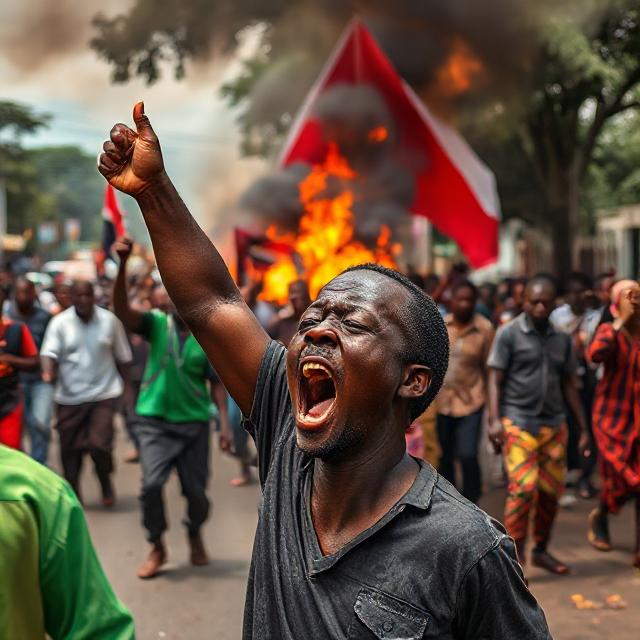
Nairobi – Kenya’s economy has long been a regional bright spot: a diversified hub for finance and logistics, home to one of the world’s most advanced mobile‑money ecosystems and a magnet for startups across East Africa. But the crowds that have filled the streets from Nairobi to Mombasa this year point to a widening gap between headline success and lived experience. For many in a hyper‑connected generation that grew up on the promise of the ‘Silicon Savannah,’ the promise has not yet paid the rent.
At the heart of the unrest is a simple grievance: the growth of the past decade has not produced enough inclusive opportunity. Young Kenyans are better educated, more digitally savvy and more globally networked than any cohort before them. They are also contending with high living costs, scarce formal jobs, and a political class that, critics say, has spent more time dividing spoils than building momentum. When a new round of taxes arrived in recent budgets—pitched as necessary to tame debts and fund services—it pushed frustrations over the edge.
The backlash has been youth‑led and decentralized, organized as much on encrypted channels and TikTok lives as in party offices. Demonstrations swelled again in late June and July, marking the most sustained challenge to authority since the democratic opening a generation ago. Rights groups documented fatalities and mass arrests as police broke up rallies; video and testimony of abductions and intimidation ricocheted across social media. The rallies’ slogans have shifted from specific tax measures to broader demands for accountability, restraint and a reset in how the state treats its citizens.
For President William Ruto, who campaigned as a champion of ‘hustlers’ and economic inclusion, the moment is perilous. His government has oscillated between conciliation and confrontation—pausing controversial measures, reshuffling the cabinet and promising inquiries, while also leaning on hard‑line policing and legal tactics that critics call an attempt to chill dissent. The result has been a deepening mistrust among young people who feel they were invited to build a new Kenya, then shut out of the room where decisions are made.
The economic backdrop is complicated. Output has continued to grow, helped by resilient services and a bounce in agriculture after drought. But the pace has moderated from pre‑pandemic peaks, and the composition of growth has not been job‑rich. The informal sector still dominates employment; formal hiring lags behind the surge of school leavers each year. Even for those with degrees, a patchwork of short‑term contracts and gig‑economy work has replaced the escalator of mid‑skill, mid‑wage jobs.
Debt service has squeezed fiscal space. Kenya’s borrowing binge of the 2010s financed real assets—roads, power lines, ports—but left a legacy of heavy repayments during a period of high global interest rates. Stabilizing public finances has meant new or higher taxes on consumption, digital services and small businesses, policies that bite hardest on the very ‘hustlers’ officials say they want to empower. Meanwhile, investors have grown wary of sudden policy shifts and the perceived criminalization of protest, which rattled markets through the early summer.
None of this was inevitable. Kenya has real strengths that many peers envy: an entrepreneurial middle class, regional trade linkages, and a tech stack that makes it easier to collect taxes, target subsidies and expand credit to small firms. But harnessing those strengths requires a politics that builds coalitions for reform rather than treating reform as a partisan trophy. The protests have exposed how brittle the policy consensus has become and how quickly trust evaporates when the state appears to use force rather than persuasion.
A generational divide runs through the crisis. Unlike past cycles of unrest, the current wave is less tied to ethnicity or party machines. It is led by students, creatives, coders and young professionals who can puncture official narratives in real time. They reject the idea that sacrifice is a one‑way street, demanded of the many while the few remain insulated by patronage. Their ask is straightforward: credible paths into decent work; a state that protects rather than preys; and a say in setting priorities for an economy they will inherit.
What would it take to turn the mood? Business groups and independent economists sketch a similar short list. First, signal respect for rights and due process by investigating alleged abuses and publishing timelines for reforms in policing and prosecution. Second, pivot from blunt tax hikes toward measures that widen the base without choking growth: a clamp‑down on large‑scale evasion, phased VAT compliance for micro‑enterprises, and incentives that reward firms for hiring and training youth. Third, aim public investment squarely at job multipliers—affordable housing completions, maintenance of existing infrastructure, and digitization that lowers costs for small exporters and manufacturers.
Fourth, build an energy and industry strategy that connects Kenya’s renewable resources and skilled workforce to new demand. Data centers, agro‑processing and light manufacturing all face global shortages and could anchor clusters around Nairobi, Nakuru and Mombasa. But that requires predictable tariffs, reliable power, and land‑use planning that reduces friction. Finally, embrace the openness that made Nairobi a regional magnet: easier movement for African talent and capital, faster customs lanes, and city governance that makes it cheaper and safer to do business.
Critics of the protesters caution that anger can scorch what it hopes to save. Kenya’s institutions—its courts, media and civil society—are valuable precisely because they have withstood political pressure before. The challenge for the movement is to channel energy into durable civic platforms and policy blueprints that survive the social‑media news cycle. Many of the new activists have already begun that work, forming legal‑aid networks, mutual‑aid funds and policy forums that cut across class and community.
For the political class, the lesson is sharper. Kenya’s success story is real but incomplete; it will stall without a new social contract. That contract starts with accountability—for public money and for public force—and extends to a clear plan for turning macro stability into mass opportunity. Without it, even headline growth will feel like austerity to those shut out of the gains, and the streets will remain the loudest forum in the land.
Kenya’s youth are not waiting quietly for the future they were promised. They are, in the words of one organizer, ‘claiming the present.’ Whether the political class can match that urgency—by governing with honesty, building with speed and listening with humility—will determine whether the next chapter of the country’s growth story is written in boardrooms, parliament or on the asphalt of Kenyatta Avenue.


 The Tower Post