Pontiff warns against sidelining European partners as diplomatic momentum shifts

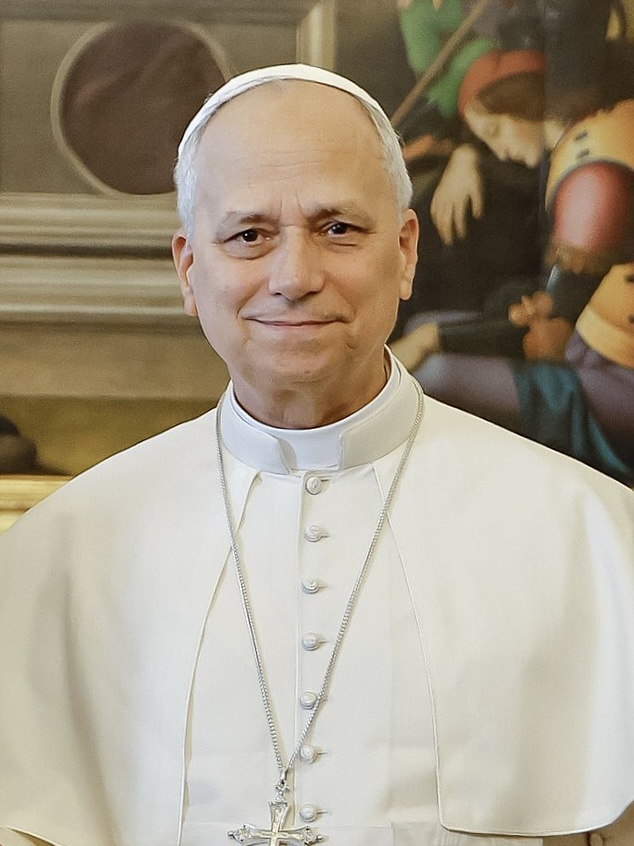
In a pointed appeal delivered in early December, Pope Leo XIV urged European leaders to assume a “central and irreplaceable” role in upcoming peace negotiations concerning the war in Ukraine. Speaking from Vatican City to a gathering of diplomats and humanitarian representatives, the pontiff stressed that durable peace will not emerge unless Europe places itself at the heart of diplomatic efforts—a message that resonated strongly across a region grappling with war fatigue and shifting geopolitical pressures.
The Pope’s remarks come at a moment when multiple initiatives, both public and discreet, have been circulating among global powers seeking a path toward de-escalation. While the Vatican has maintained its own channels of communication with Kyiv and Moscow, Pope Leo XIV made clear that the responsibility cannot rest on humanitarian actors alone: “Europe’s voice,” he stated, “must not be an echo in the conversation. It must be a guide.”
Observers noted the firmness of the Pope’s tone, interpreting it as a response to perceived attempts by certain external powers to steer discussions away from continental governments. Several European diplomats have privately expressed concerns that, while they welcome any constructive engagement from global partners, the sidelining of those geographically and politically closest to the conflict could undermine both legitimacy and long-term stability. The Pope appeared to articulate that unease, cautioning that peace imposed from afar risks being short-lived.
In many European capitals, discussions on Ukraine have intensified. Leaders are now reassessing military assistance, economic resilience, and humanitarian commitments while also navigating domestic pressures. The Pope’s statement, though not overtly political, intersects notably with these debates. His emphasis on Europe’s moral and strategic obligation seems tailored to encourage a more unified diplomatic posture—one capable of shaping negotiations rather than merely reacting to them.
Political analysts suggest that the pontiff’s intervention could also serve as a balancing message at a time when tensions within Europe over war priorities remain pronounced. Some governments have pushed for more assertive engagement; others advocate caution, warning that premature or poorly structured negotiations could reward aggression. By calling for Europe to lead, Pope Leo XIV effectively challenges both tendencies: he envisions a process grounded in realism but inspired by a moral duty to protect civilians, uphold international law, and restore security to the region.
The Vatican has long positioned itself as a moral facilitator in conflicts, but this appeal underscores a broader awareness that the war’s consequences have become inseparable from Europe’s political identity. The Pope noted the humanitarian toll that continues to unfold, urging European institutions to keep displaced families and shattered communities at the forefront of their proposals. He reinforced that true peace requires a framework rooted in accountability, reconstruction, and mutual security guarantees, all of which demand European stewardship.
Diplomatic officials across the continent responded cautiously but positively to the Pope’s message. One senior envoy said the intervention “reminds us that we cannot wait for others to design the future of our own neighborhood.” Another diplomat emphasized that unity remains vital to prevent fragmenting the negotiating landscape.
Whether Pope Leo XIV’s appeal catalyzes a more coherent European strategy remains to be seen. Still, his words arrive at a moment when Europe faces a choice: either step confidently into the role of principal architect of peace or risk watching its place at the table diminish. For many listening, the message was unmistakable—Europe must not only participate in the conversation about Ukraine’s future; it must help shape it.
As winter deepens and diplomatic channels continue their cautious maneuvers, the Vatican’s call carries renewed urgency. The Pope’s insistence on Europe’s leadership serves not as criticism but as a reminder: peace is possible, but only if those closest to the conflict claim responsibility for forging it.