Council approval signals the European Union’s most ambitious outward investment push yet, strengthening global links in energy, digital networks, transport and human development.

The European Union has moved into a decisive new phase of its external investment agenda, endorsing 256 flagship initiatives expected to define the next cycle of its Global Gateway strategy. The approval, issued this week by the Council, marks the most comprehensive expansion of the programme since its inception and positions the EU to deepen partnerships across Africa, Latin America, the Indo-Pacific and the EU’s immediate neighbourhood.
Although the strategy has always been framed as the bloc’s answer to the global race for infrastructure influence, officials stress that this new portfolio of projects represents more than geopolitical signalling. It is designed as a blueprint for practical cooperation in a world facing rising instability, climate pressures and fragmented digital governance. The objective, according to senior diplomats, is to “translate values into infrastructure”—building trusted networks while supporting partner countries’ long-term autonomy.
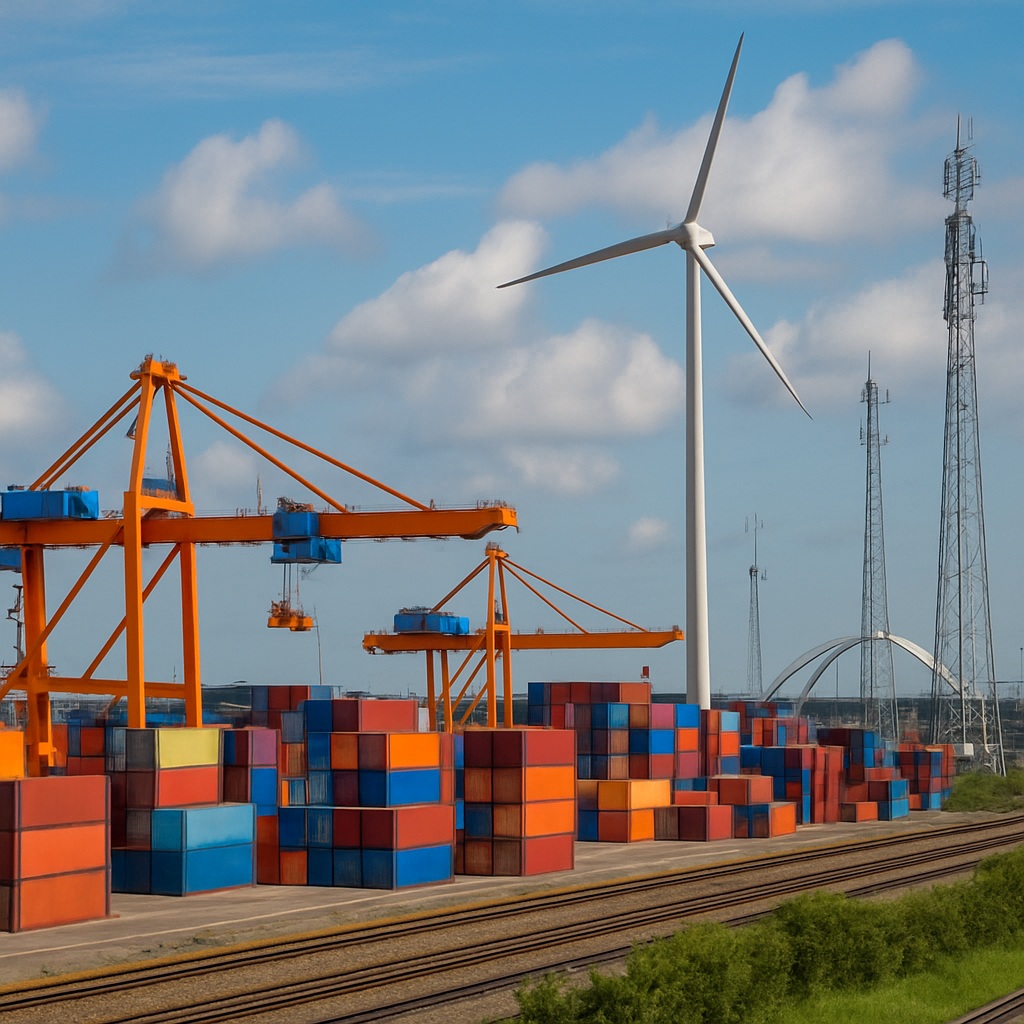
The endorsed list encompasses an unusually broad set of sectors. Alongside large-scale transport corridors and renewable power initiatives, a substantial share focuses on digital modernisation: fibre‑optic expansions, secure data‑sharing networks and programmes supporting emerging technologies. Several proposals also aim to strengthen public‑health systems—an area where the EU has been increasing support following global calls for more resilient supply chains and regional vaccine capacity.
Education and research make up another major pillar of the 2026 cycle. Universities and research institutes in partner regions will see expanded cooperation opportunities, with joint laboratories, exchange programmes and new scholarship schemes under discussion. EU officials argue that supporting knowledge ecosystems abroad is essential for addressing technological divides that have widened in recent years.
Yet the most politically significant element may lie in the strategy’s governance standards. Each flagship project must comply with sustainability requirements and the EU’s due‑diligence principles. While partner governments generally welcome the accompanying safeguards, some continue to voice concerns about administrative burdens. European negotiators counter that the long‑term benefits—predictability, transparency and adherence to international norms—justify the approach.
Reactions across partner capitals have been broadly positive. Several African energy ministries expressed optimism that the incoming investments will help stabilise grids and accelerate renewable deployment. In Latin America, transport officials highlighted the potential for modern rail and port systems to ease reliance on congested corridors. Meanwhile, digital‑policy advisers in Southeast Asia signalled that cooperation with the EU on cybersecurity and data protection could help them navigate increasingly contentious global regulatory debates.
Still, challenges remain. Financing conditions are tightening worldwide, and some analysts warn that, despite the impressive scale of the 2026 pipeline, actual deployment will hinge on coordinated contributions from European development banks and private‑sector partners. The Commission is expected to outline updated funding arrangements early next year, with a focus on blended finance tools that de‑risk large infrastructure undertakings.
What is becoming clearer is that the EU intends the Global Gateway to be a long‑term structuring force in its foreign policy. Council representatives emphasise that the new flagship list is not simply a catalogue of projects but a strategic map meant to guide engagement in an increasingly multipolar world. As global alliances shift, the EU is betting that stable partnerships rooted in transparency, sustainability and shared interests will remain a competitive advantage.
With preparations already under way to initiate the first wave of the 2026 portfolio, Brussels is entering a crucial period. Diplomats involved in the process argue that delivering early, tangible results will be essential for maintaining momentum and credibility. Partners, too, are watching closely—hoping that the EU’s renewed commitment will translate into visible improvements in connectivity, public services and economic opportunity.
For now, the Council’s endorsement stands as a significant milestone: a signal that Europe sees its global engagement not merely as an obligation, but as a strategic investment in collective resilience. As the next year approaches, the success of the Global Gateway will depend on how effectively this vision is translated into real‑world impact, from digital cables to classrooms and renewable power hubs around the world.