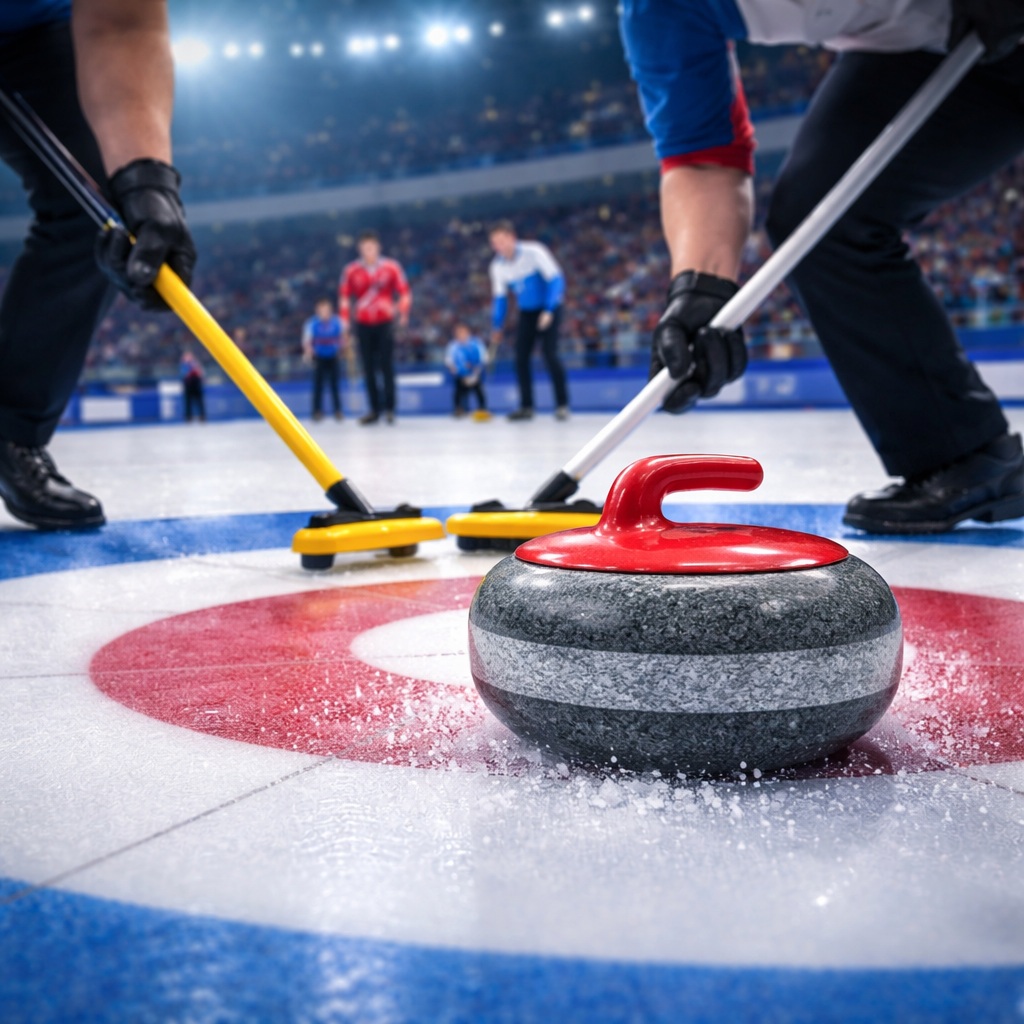
World Curling leadership pushes year-round relevance with expanded championships and broader global engagement
Curling has long enjoyed a familiar rhythm: a surge of global attention every four years when the Winter Games arrive, followed by a quieter return to specialist audiences and traditional strongholds. As the current Olympic cycle unfolds, leaders within the sport are signaling a clear intention to break that pattern and reposition curling as a discipline with sustained, year-round relevance.
At the center of this push is World Curling President Beau Welling, who has outlined an ambitious vision to broaden both participation and visibility well beyond the confines of the Winter Games spotlight. The strategy reflects a recognition that curling’s televised popularity during Olympic winters has not always translated into lasting growth in new markets.
“The challenge is not whether people enjoy curling when they see it,” Welling has said in recent remarks, “but how we keep them engaged when the Olympic flame is no longer burning.”
A key pillar of this effort is a significant restructuring of the World Championship system. Under the proposed format, the top-tier championship would expand to 18 teams, creating a more inclusive and competitive field. Alongside this, enhanced B- and C-division competitions are designed to give emerging nations meaningful international pathways rather than isolated appearances.
Officials believe this layered structure can help reduce the gap between established curling powers and developing programs, particularly across Europe, where interest is growing in countries without deep winter sports traditions. The aim is not only competitive balance, but continuity — more events, more stories, and more opportunities for fans to follow teams throughout the season.
Beyond competition formats, World Curling is also placing emphasis on storytelling and accessibility. Digital coverage, simplified broadcast formats, and partnerships with regional broadcasters are being explored to make the sport easier to follow for newcomers. Curling’s tactical depth, once perceived as a barrier, is now being reframed as an asset in an era where audiences increasingly appreciate strategy-driven sports.
The broader context is a global sports landscape crowded with options and constant content. For curling, relevance can no longer depend solely on Olympic exposure. Instead, administrators are betting that regular high-level competition, combined with clearer narratives and wider geographic representation, can anchor the sport more firmly in the international calendar.
In Europe, this approach aligns with grassroots investments already underway in countries such as Germany, Spain, and parts of Eastern Europe, where new clubs and mixed-gender leagues are beginning to take hold. Similar efforts are being encouraged in Asia and South America, regions seen as essential to curling’s long-term Olympic security and commercial appeal.
There is also a symbolic dimension to the reforms. By strengthening B- and C-division championships, World Curling is signaling that international participation is not merely decorative. Progression, promotion, and relegation are intended to matter, giving athletes and federations tangible goals beyond Olympic qualification.
Skeptics caution that structural change alone may not be enough. Curling still faces logistical challenges, from ice availability to equipment costs, that can slow expansion. Yet supporters argue that visibility drives investment, and that a more vibrant global calendar is a necessary first step.
As the season unfolds, curling finds itself at a crossroads. The sport’s Olympic success has proven its mass appeal, but the next phase will test whether that attention can be converted into sustained growth. For World Curling’s leadership, the message is clear: the future of the sport must be built not just every four winters, but every week in between.
 The Tower Post