Twenty-six member states urge adherence to global norms after U.S. military activity, highlighting rare unity amid internal dissent

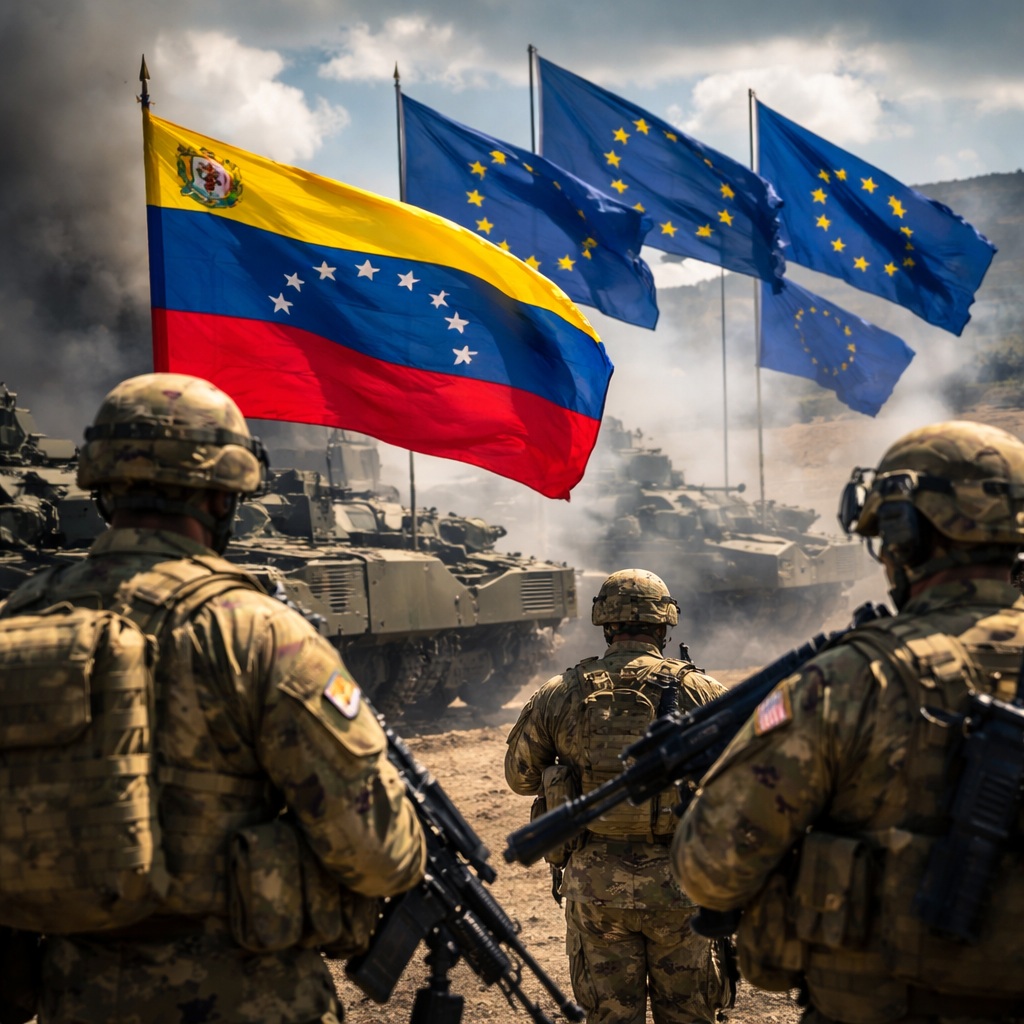
Brussels — A strong majority of European Union countries have issued a joint call for restraint and respect for international law following recent U.S. military activity involving Venezuela, underscoring Europe’s concern that rising tensions could further destabilize an already fragile regional and global security environment.
In a statement endorsed by twenty-six EU member states, European governments emphasized the primacy of international law, the sovereignty of states, and the need for de-escalation through diplomatic channels. The move reflects a rare moment of near-unanimity within the bloc on a sensitive foreign policy issue, even as divisions persist over how directly Europe should challenge its closest ally, the United States.
The statement stopped short of condemning Washington outright, instead urging “all parties involved” to exercise restraint and to act in accordance with international legal frameworks. Diplomats involved in drafting the text described it as a carefully calibrated response, designed to signal Europe’s unease without triggering an open transatlantic rift.
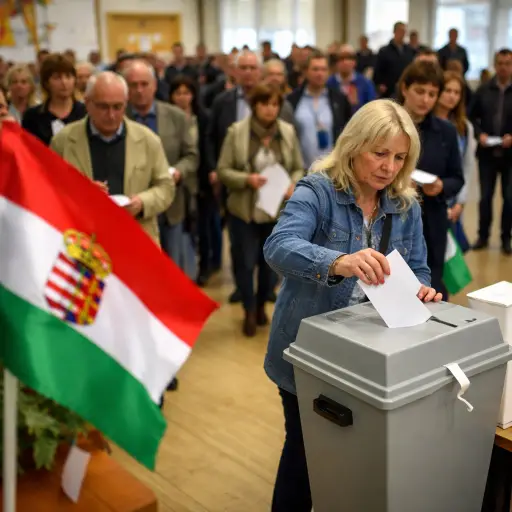
Only one EU member state, Hungary, declined to sign the statement. Budapest’s abstention aligns with its broader pattern of divergence from common EU foreign policy positions, particularly on issues involving relations with major powers. Hungarian officials offered no detailed public explanation, but EU diplomats said the decision was consistent with the government’s preference for maintaining strategic flexibility.
The episode has once again highlighted the European Union’s complex role on the global stage. While the bloc often speaks of “strategic autonomy,” its ability to act independently in matters of hard security remains limited. The response to developments in Venezuela illustrates both the EU’s normative power—its emphasis on law and diplomacy—and the constraints it faces when events are driven by military action beyond its borders.
Venezuela has long been a focal point of international concern, with political instability, economic collapse, and humanitarian challenges drawing sustained attention from foreign governments. Any escalation involving external military forces risks compounding those problems, European officials warned, potentially triggering wider regional repercussions in Latin America and beyond.
Within EU institutions, there is growing anxiety that the erosion of international norms could set precedents with far-reaching consequences. Officials speaking privately said the situation in Venezuela is being closely watched as a test case for how global powers interpret and apply international law in an increasingly multipolar world.
The European response also reflects domestic pressures within member states. Public opinion across much of the continent remains deeply skeptical of military interventions, particularly those lacking broad international endorsement. Governments are keenly aware that support for diplomacy and multilateralism remains a core expectation among European voters.
At the same time, the bloc’s measured language reveals its diplomatic tightrope walk. European leaders are wary of undermining transatlantic unity at a moment when cooperation with Washington remains critical on issues ranging from security to climate policy. The statement’s emphasis on principles rather than accusations was intended to keep channels of dialogue open.
Analysts note that the near-unanimous EU stance could strengthen calls for renewed multilateral engagement on Venezuela, potentially involving international mediators or regional organizations. Whether such efforts can gain traction will depend largely on the willingness of all parties to step back from confrontation.
For now, Europe’s message is clear: respect for international law is not optional, even amid geopolitical rivalry. As global tensions continue to rise, the EU is positioning itself as a guardian of legal norms and diplomatic solutions—an ambition that will be tested repeatedly in the months ahead.