GeekWire Awards open nominations as Pacific Northwest tech rolls out seamless tap-to-pay innovations ahead of major regional gatherings
The Pacific Northwest’s technology community is moving into one of its most energized stretches of the year as nominations open for the region’s marquee tech honors while new payment infrastructure quietly reshapes how residents and visitors move through its cities.
The opening of nominations for the GeekWire Awards signals more than a celebration; it marks an annual pulse check on the innovation economy spanning Washington, Oregon, and British Columbia, where startups, enterprise giants, and community leaders compete for recognition that can accelerate visibility, hiring, and investment.
Industry observers describe this cycle as a moment of recalibrated optimism, with companies emphasizing durable growth, responsible artificial intelligence deployment, climate resilience tools, health data platforms, and enterprise automation solutions that solve tangible problems rather than chase speculative hype.
At shared workspaces in Seattle’s tech corridors and in Portland’s startup districts, founders are already weighing potential nominees, aware that even appearing on a finalist list can open doors to venture capital conversations and strategic partnerships well beyond the Pacific Northwest.
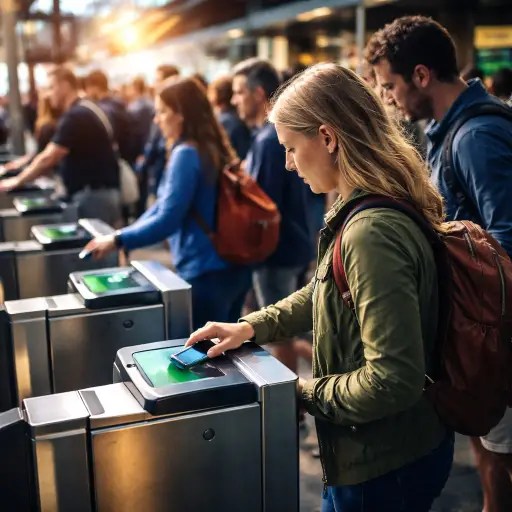
While the awards generate headlines and anticipation, another transformation is unfolding at street level as transit agencies expand tap-to-pay systems that allow riders to use smartphones, smartwatches, or contactless bank cards across buses, rail lines, and ferries without downloading proprietary applications or preloading transit cards.
The enhanced interoperability, developed in collaboration with regional fintech firms, integrates secure tokenization, real-time fare calculations, and fraud monitoring designed to handle spikes in ridership tied to major conferences, sporting events, and cultural gatherings filling the late-winter calendar.
Transit officials say the streamlined experience reduces bottlenecks at boarding points and projects a sense of technological competence to visitors whose first impression of the region often begins with a fare reader at an airport station or downtown platform.
Business owners near transit hubs anticipate that smoother mobility will translate into higher foot traffic as event attendees move more fluidly between hotels, convention centers, restaurants, and waterfront attractions without wrestling with unfamiliar ticketing systems.
Cybersecurity specialists involved in the rollout emphasize that convenience does not eclipse security, noting extensive testing under simulated peak loads to ensure reliability and resilience during high-profile events that place infrastructure under intense scrutiny.
Urban planners and environmental advocates argue that frictionless digital payments can encourage greater reliance on public transportation, reducing congestion and supporting climate goals that have become central to many of the very startups likely to earn attention during award season.
Community leaders underscore that inclusivity remains part of the strategy, with agencies maintaining cash and reduced-fare options even as digital adoption expands, reflecting a regional ethos that innovation should broaden access rather than narrow it.
The parallel narratives of celebration and deployment capture a defining trait of the Pacific Northwest tech scene: ambition anchored in practical application, where recognition ceremonies coexist with quiet infrastructure upgrades that affect daily life.
As nominations continue to arrive and tap-enabled readers register thousands of daily transactions, the region’s message is clear that its innovation story is not confined to keynote stages but embedded in the rhythm of commuting, networking, and gathering.
By the time finalists are announced and industry leaders convene to applaud breakthroughs, many participants will already have experienced the newest layer of progress firsthand in the simple act of tapping a phone and boarding a train, a small gesture that reflects a broader commitment to building the future with both visibility and purpose.



 The Tower Post