Major European powers underline their non-participation in U.S.–Israel military action, seeking to contain escalation while reinforcing calls for renewed negotiations.

European capitals moved swiftly to clarify their position after coordinated U.S.–Israel strikes targeted military infrastructure inside Iran, underscoring that they neither participated in nor supported the operation militarily.
Leaders across the continent emphasized their continued commitment to regional security while drawing a firm line between strategic alignment and direct involvement, describing the unfolding situation as deeply concerning and warning that further escalation could destabilize not only the Middle East but also fragile global energy markets.
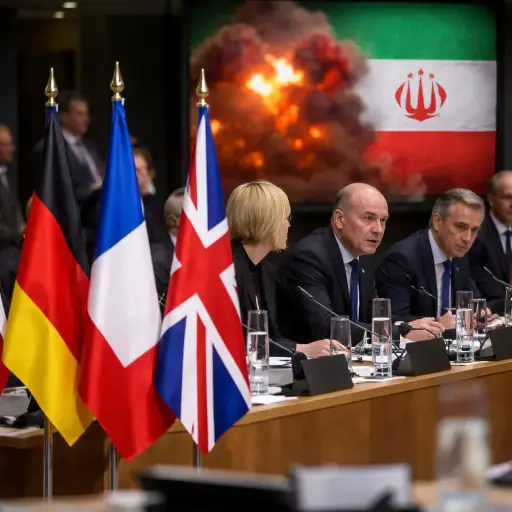
In London, Paris and Berlin, officials stressed that no national assets were engaged in the strikes and that the operation was neither planned nor executed with European participation, a message repeated in carefully worded public statements intended to avoid ambiguity.
The United Kingdom reaffirmed its longstanding security cooperation with Washington while making clear that it had no operational role, and France signaled that although it remains vigilant about Iran’s regional posture, it believes military escalation risks triggering a wider confrontation with unpredictable consequences.
Germany, traditionally cautious in matters of force projection, called for immediate de-escalation and a return to structured dialogue, arguing that diplomatic channels must remain open even amid heightened tensions and public pressure for firmer responses.
Behind the calibrated language lies a delicate balancing act, as European governments share many of Washington’s concerns regarding Iran’s ballistic capabilities and regional influence but remain wary of the political and economic costs of another spiraling conflict in the Middle East.
Energy security is a central concern, with officials privately acknowledging that any disruption in strategic maritime corridors would reverberate quickly across European markets, affecting fuel prices, supply chains and already sensitive inflation trends.
Diplomats across the European Union have been in continuous contact with counterparts in Tehran, Washington and key regional capitals, focusing on preventing retaliatory cycles that could draw additional actors into an expanding theater of confrontation.
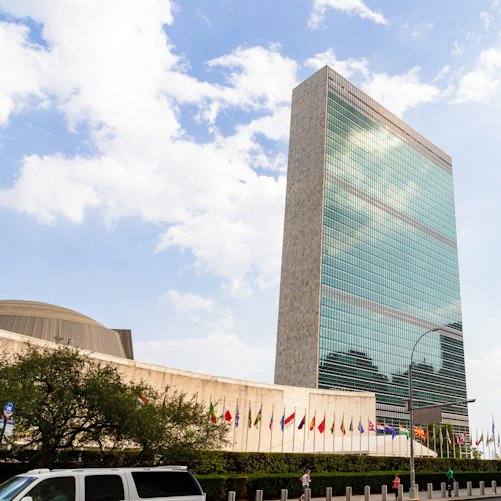
Alliance representatives emphasized that the operation was not conducted under NATO auspices, underscoring that European member states were not collectively involved and signaling a desire to avoid the perception of automatic endorsement of military escalation.
Security analysts say Europe’s response reflects lessons drawn from past regional crises, where direct military engagement sometimes complicated diplomatic leverage and narrowed the space for mediation efforts that later proved essential.
At the same time, European officials have reiterated concerns about Iran’s military activities and regional conduct, framing those concerns within a broader appeal for restraint, transparency and renewed negotiations rather than deterrence alone.
Political leaders must also navigate domestic dynamics, as coalition governments in several countries rely on parties that strongly favor diplomatic engagement over confrontation, making public messaging around stability and multilateral coordination particularly important.
Observers describe Europe’s strategy as an attempt to deter further destabilizing actions while preserving diplomatic momentum, a dual approach that depends heavily on whether all sides exercise restraint in the coming days.
In private conversations, officials acknowledge the complexity of reassuring transatlantic allies of their commitment to shared security objectives while convincing domestic audiences that diplomacy remains both credible and necessary.
As tensions persist, Europe’s largest powers continue to stress a consistent message that they were not participants in the strikes and that their immediate priority is preventing a broader war, positioning themselves as advocates for de-escalation in a region once again on edge.