Athleisure merges cutting-edge performance with everyday fashion as fitness culture reshapes American identity

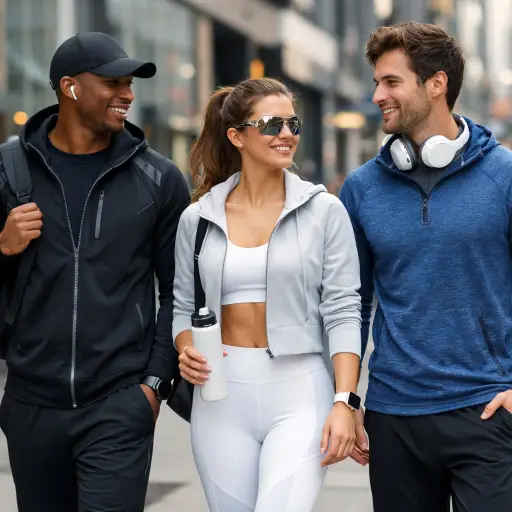
As spring unfolds across the United States, a familiar uniform is visible from city sidewalks to suburban coffee shops: sleek leggings, breathable hoodies, and performance sneakers worn far beyond the gym. What was once considered strictly functional attire has evolved into a defining feature of contemporary American style. Athleisure, a category that blends athletic performance with casual wear, is no longer a trend on the fringe of fashion—it is the fashion.
This shift reflects a deeper cultural transformation. Fitness is no longer confined to dedicated spaces or specific hours; it has become an integrated part of daily life. In response, clothing has adapted. Consumers increasingly demand apparel that transitions seamlessly from a morning workout to a work-from-home setup, and then to social outings. Comfort, once secondary to aesthetics in fashion, now stands at the forefront.
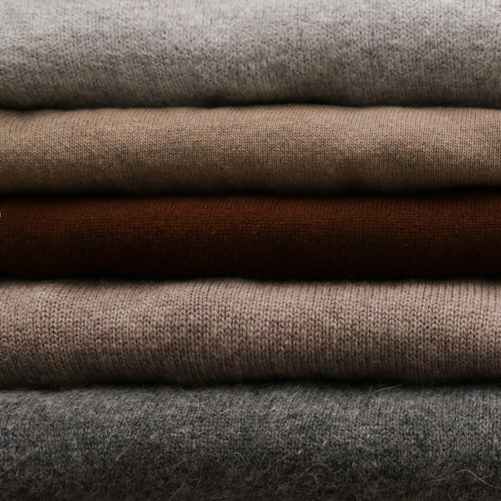
Major sportswear brands have taken notice and are investing heavily in innovation. Advanced fabrics designed to regulate temperature, wick moisture, and enhance mobility are now standard across product lines. Materials once reserved for elite athletes—such as compression knits, antimicrobial fibers, and lightweight thermal layers—are being reimagined for everyday use. The result is a new generation of garments that promise both performance and polish.
The competition to lead this space has intensified. Companies are racing to develop “smart fabrics” capable of monitoring biometric data, adjusting to environmental conditions, or improving athletic efficiency. While some of these technologies remain in early stages, their presence signals a broader ambition: to turn clothing into an extension of the body’s capabilities. For consumers, even incremental improvements—like better breathability or enhanced durability—are enough to justify the growing appeal of athleisure.
Retail strategies are evolving alongside the products. Stores are increasingly designed to resemble lifestyle hubs rather than traditional apparel outlets. Interactive displays, fitness classes, and wellness events blur the line between commerce and community. Online platforms, meanwhile, leverage data to personalize recommendations, reinforcing the connection between individual fitness goals and wardrobe choices.
The influence of fitness culture on American fashion extends beyond clothing design. It shapes how people perceive themselves and how they present their identities. Wearing athleisure signals more than comfort; it suggests an active, health-conscious lifestyle. Even for those who rarely step into a gym, the aesthetic conveys intention and aspiration.
This cultural alignment has also broadened the appeal of sportswear across demographics. Younger consumers, in particular, view versatility as essential. They are less interested in rigid dress codes and more inclined toward adaptable wardrobes that reflect dynamic routines. At the same time, older generations are embracing athleisure for its practicality and comfort, further expanding its reach.
Sustainability has emerged as a parallel concern within the industry. As production scales up, brands face pressure to reduce environmental impact. Recycled materials, biodegradable fabrics, and circular design models are gaining traction. Consumers are increasingly aware of how their clothing choices affect the planet, and sportswear companies are responding with more transparent practices.
Despite its widespread adoption, athleisure continues to evolve. Designers are experimenting with silhouettes, textures, and color palettes that push the category beyond its athletic roots. Tailored joggers, structured jackets made from stretch fabrics, and minimalist sneakers suitable for professional settings are redefining what it means to dress comfortably.
What sets this moment apart is not just the popularity of sportswear, but its permanence. Unlike past fashion cycles, which often swing dramatically between extremes, athleisure appears deeply embedded in the cultural fabric. Its rise coincides with long-term shifts in work, wellness, and lifestyle—changes that show little sign of reversing.
As Americans continue to prioritize flexibility and well-being, the line between performance gear and everyday clothing is likely to blur even further. In this new landscape, innovation is not just about enhancing athletic performance; it is about redefining how people move through their daily lives. Sportswear, once confined to the sidelines, now stands at the center of the fashion conversation.